India is known for its rich culture, history, and remarkable progress. Despite this growth, many communities continue to face challenges such as limited healthcare access, education gaps, poverty, and social inequality.
To address these issues, many international NGOs in India work tirelessly to improve lives and create lasting social change.
In this blog, we will explore the role of international NGOs, highlight some of the leading organizations working in India, discuss the challenges they face, and explain how individuals and businesses can support their mission.
International NGOs are nonprofit organizations that operate across multiple countries. They work to improve the lives of underprivileged communities by providing humanitarian aid, healthcare services, education, environmental protection, and disaster relief.
In India, these organizations operate independently, establish local chapters, or collaborate with Indian nonprofit organizations. These partnerships help them expand their reach and deliver more effective support.
To operate legally in India, international NGOs and other foreign NGOs working in India must comply with national laws and regulations. These include registration requirements, partnership guidelines, and foreign funding compliance.
Many organizations also collaborate with top ngos to ensure their programs align with local needs and government policies.
Rather than providing only short-term assistance, these organizations focus on creating long-term and sustainable improvements in people’s lives.
Because of this approach, international NGOs play an important role in India’s social development and community welfare.
Many organizations have earned a strong reputation for their humanitarian work and commitment to social welfare. Below are some of the best international NGOs in India that continue to make a meaningful impact across different sectors.
Among the best international NGOs in India, Narayan Seva Sansthan is widely recognized for its work in healthcare, child welfare, education, disability support, and women’s empowerment.
The organization operates from India while extending its humanitarian initiatives to underprivileged communities through healthcare services, education, and skill development programs.
Narayan Seva Sansthan has transformed countless lives through corrective surgeries, free artificial limb distribution, educational support, vocational training, and community welfare initiatives.
Its presence extends across several countries, including the USA, UK, Canada, Australia, Netherlands, Hong Kong, Japan, Singapore, South Africa, and Thailand.
Through its ongoing humanitarian efforts, the organization continues to support people with disabilities, economically weaker families, and children who need care and opportunities.
Save the Children works across India to improve child welfare, education, nutrition, healthcare, and emergency response. Its programs support children living in underserved communities and help create safer and healthier futures.
UNICEF India focuses on child health, immunization, nutrition, sanitation, education, and child protection. Its programs reach millions of children and families, making it one of the leading international charity organizations in India.
CARE India promotes women’s empowerment, maternal healthcare, education, livelihood support, and disaster response. The organization is well known for its community-based development programs and sustainable social initiatives.
Oxfam India works to reduce poverty and inequality through disaster relief, gender justice initiatives, social policy advocacy, and programs that support vulnerable communities.
Plan India focuses on empowering girls and promoting education, healthcare, child protection, and youth development. Its initiatives help improve access to learning while strengthening long-term social welfare.
Together with grassroots partners, these organizations are helping underserved communities across India by providing essential services and supporting policies that create lasting social change.
Healthcare NGOs in India provide free medical treatment, corrective surgeries, health camps, meal support, disability care, maternal healthcare, and awareness programs.
These services help improve access to quality healthcare for low-income families and underserved communities.
Many NGOs work to improve access to education by building schools, promoting literacy, offering scholarships, supporting digital learning, and providing skill-building opportunities.
Several organizations also focus on girls’ education and encourage children to stay in school.
Many NGOs respond quickly during natural disasters and emergencies by providing food, shelter, medical assistance, and rehabilitation support.
Their efforts help affected families recover and rebuild their lives.
International NGOs support women through self-help groups, skill development, legal awareness, and livelihood programs.
These initiatives help women become financially independent and socially empowered.
NGOs also contribute to rural development by improving sanitation, strengthening infrastructure, promoting agricultural training, and supporting village development initiatives.
The impact of NGOs helping poor people in India is reflected in the lives of underprivileged families across the country.
These organizations do much more than provide temporary assistance. They build long-term support systems that help individuals and communities achieve stability, independence, and a better quality of life.
For less fortunate families, the support of international charity organizations in India can become a turning point.
Access to healthcare can save lives. Education opens new opportunities, while rehabilitation restores confidence, independence, and hope for a better future.
One of the biggest challenges for foreign NGOs working in India is complying with funding regulations, reporting standards, legal permissions, and administrative requirements.
These processes can affect operational flexibility and slow the implementation of important programs.
People living in rural and remote areas are often unaware of available NGO services, healthcare support, education programs, and government welfare schemes.
As a result, many deserving individuals are unable to benefit from these initiatives.
Many NGOs face shortages of skilled staff, infrastructure, transportation, and local resources, especially when working in rural and remote regions.
In many communities, organizations continue to address deep-rooted social challenges such as gender inequality, disability stigma, low literacy, and resistance to social change.
Overcoming these barriers requires continuous awareness, education, and community participation.
NGOs often coordinate with volunteers, donors, local communities, and government authorities.
Communication gaps or delays between stakeholders can affect project planning, implementation, and overall impact.
The success of international NGOs in India depends not only on their efforts but also on the support of individuals, businesses, and communities.
Everyone can contribute in meaningful ways to help these organizations create a greater social impact.
Financial contributions help NGOs provide healthcare treatments, education programs, rehabilitation services, meal distribution, child protection, and emergency assistance.
Every donation, regardless of its size, supports programs that improve lives and strengthen communities.
Volunteering is one of the most effective ways to support a social cause.
People can contribute by teaching, fundraising, organizing events, supporting awareness campaigns, assisting healthcare outreach, or promoting initiatives through digital platforms.
Sharing information about social causes helps increase awareness and encourages more people to get involved.
Community participation strengthens charitable initiatives and expands their reach.
Businesses can collaborate with nonprofits through Corporate Social Responsibility (CSR) initiatives.
CSR partnerships help fund healthcare, education, disability support, skill development, and rural development projects that benefit underserved communities.
Community events, charity drives, online campaigns, and workplace fundraising activities help generate resources for NGOs working in healthcare, education, and social welfare.
People can also make a difference by promoting dignity, equal opportunities, and inclusion for poor people, women, children, and disabled individuals.
By supporting healthcare NGOs in India, education NGOs in India, and NGOs helping poor people in India, every individual can become part of meaningful and lasting social change.
The work of international NGOs in India demonstrates the power of collective action in building a healthier, more educated, and more inclusive society.
From improving healthcare access and expanding educational opportunities to supporting rehabilitation, women’s empowerment, child welfare, and disaster relief, these organizations continue to create a meaningful impact across the country.
Organizations such as Narayan Seva Sansthan continue to transform lives through healthcare, education, disability support, and community welfare initiatives. Their work helps individuals and families build brighter and more independent futures.
With greater support from donors, volunteers, businesses, and communities, the reach of international charity organizations in India can continue to grow. Together, these efforts can create lasting positive change for future generations.
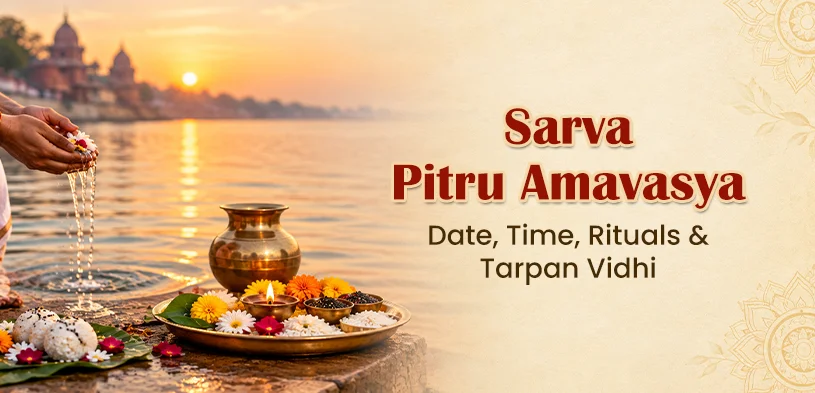
The last day of Pitru Paksha is known as Sarva Pitru Amavasya. This Amavasya is considered especially significant for remembering all known and unknown ancestors whose Shradh date may not be known or whose Shradh could not be performed on the prescribed tithi for some reason.

Indira Ekadashi, which falls during the Krishna Paksha of the Ashwin month, is one such meritorious tithi. As it occurs during Pitru Paksha, this day is specially associated with the worship of Lord Vishnu along with feelings of reverence and righteous deeds.
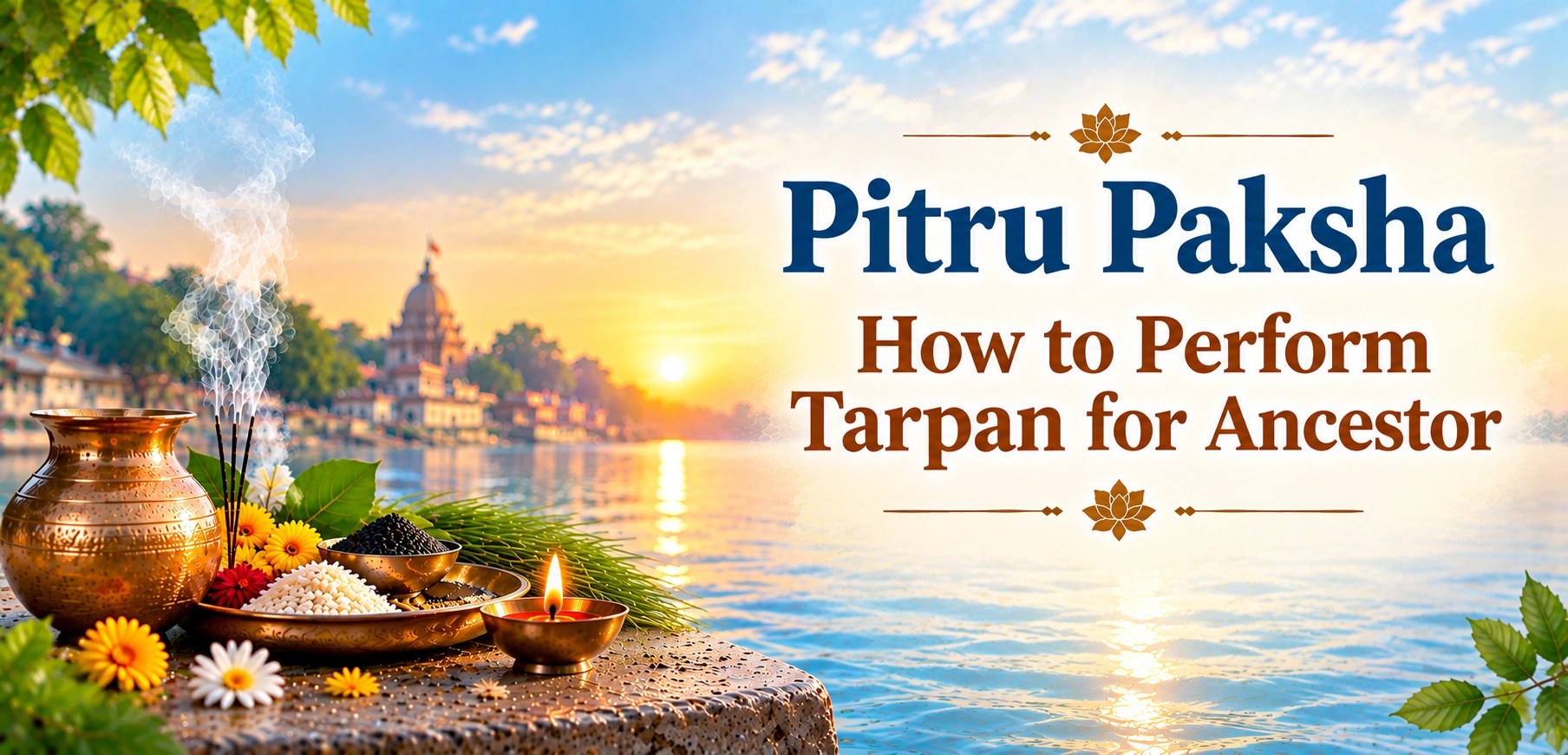
Our ancestors laid the foundation of the family through their lives, austerities, values, and good deeds. Pitru Paksha is the sacred opportunity to express reverence and gratitude towards them.