- +91-7023509999
- 0294-6622222
- info@narayanseva.org
Walk through almost any town in India, and you will spot one sooner or later — a small office with a hand-painted sign, a group running a health camp on a school campus. Volunteers handing out blankets before winter. These NGOs have quietly become a key part of Indian civil society. Many people believe NGOs are a recent development tied to globalization or foreign funding. This is incorrect. India has a rich tradition of community service. Temples run free kitchens. Local trusts support widows and orphans. Villages have mutual aid societies.
What changes is the scale and the structure. Today there are well over three million registered NGO organizations in India, working everywhere from disaster relief to disability care to girls’ education in districts most companies wouldn’t even attempt.
This piece walks through what an NGO actually is, the different types you will find registered in India, the role they play in society, and a closer look at one of India’s longest-running ones – Narayan Seva Sansthan — to see what this work looks like on the ground.
NGOs means Non governmental organization. At its core, it’s a simple idea: a group of people joins together. They do this without government control or the need for profit. They focus on a cause they care about.
That’s really the whole definition. An NGO organization is not run by a single state, and isn’t trying to make money for shareholders. Whatever funds it raises — through donations, grants, or corporate partnerships — go back into the work itself: medical camps. School programs, relief operations, whatever the mission happens to be.
A few things explore NGOs from other kinds of organizations:
Most legal ones are registered under Indian law. This adds accountability and lets donors claim tax benefits. It’s worth saying: not every group calling itself an NGO is actually doing the work it claims. Registration, transparency, and a strong track record are key. They matter when you choose where to donate or volunteer. More on that later.
Trust – Registered under the indian trusts act, 1882(with some states having their own public trusts acts – Maharashtra, Gujarat, Rajasthan and MP). A trust needs just two people to get started, which makes it the fastest and cheapest route. It works well for smaller, founder-led charitable efforts, though changing the trust’s objectives later can be difficult once the deed is registered.
Society: Governed by the Societies Registration Act, 1860, and needs a minimum of seven members. Societies run on a more democratic structure, with elected office bearers, a managing committee, and general body meetings, which suits NGOs focused on education, culture, or science where broader participation.
Section 8 Company – Registered with the Ministry of Corporate Affairs. This is under the Companies Act, 2013. A Section 8 Company is highly regulated. It must complete mandatory audits and file statutory documents under strict rules.
This structure is the most formally governed. It has mandatory audits, required filings, and stricter compliance. It’s often the best choice for NGOs. They look for large CSR partnerships or international funding. Corporates and foreign donors often trust strong governance.
Most credible NGOS also carry additional registrations beyond their base legal structure – 12A and 80G under the Income Tax Act ( which make donations tax-deductible) and FCRA registration if they receive funds from abroad. If you are vetting an NGO before donating, these are the certificates to ask about.
Role of NGOs in society
NGOs often reach areas that the government and private sector can’t cover well on their own. A government program may look good on paper for a remote district. However, it’s usually the local NGO that brings a doctor, a teacher, or a relief truck.
A few roles stand out:
Fill Gaps: NGOs often step in to fill gaps where government services are lacking. They become the main providers of healthcare, education, and emergency aid.
Advocacy: Many NGOs act as observers. They push for policy changes and hold organizations accountable. They also lift up the voices of underprivileged and disabled communities. These communities might not be heard otherwise.
Disaster Response: When floods, cyclones, or earthquakes strike, NGOs move quickly. They jump into action fast.
Skill building and livelihoods – Beyond charity, a lot of the strongest NGO work today is about helping people become self-sufficient through vocational training, microfinance support, and employment linkages rather than one-time handouts.
Bridging CSR funds to ground-level impact- With indian companies legally required to spend on corporate social responsibility, NGOs act as the implementation partners that turn that mandated spending into actual programs on the ground.
None of this means NGOs replace government responsibility – they don’t, and most well-run ones would say so themselves. What they do is fill the cracks, often faster and with more flexibility than larger organizations can manage.
Among the registered NGO organizations working in India today, Narayan Seva Sansthan is one of the more recognizable names, particularly in disability care and rehabilitation.
Founded in 1985 in Udaipur, Rajasthan, by Padma Shri Kailash “Manav” Agarwal, the organization’s origin story is almost ordinary in a way that makes it stick – it reportedly began with him noticing a hungry patient at a government hospital hiding pieces of his own meal out of guilt for wanting more. That small moment turned into a decades-long mission built around the line” Nar Seva, Narayan Seva” – Service to humanity is service to God.
Four decades on, Narayan Seva Sansthan now operates 1100 beds hospital in Udaipur, where patients come from every city and abroad for corrective surgeries, physiotherapy, and rehabilitation, all completely free of charge. Beyond Udaipur, the organization regularly holds camps in cities across india, where people with disabilities are checked, measured, and provided with artificial limbs and calipers at no cost.
Narayan Seva Sansthan provides free medical treatment for people with physical disabilities, particularly congenital deformities. This includes corrective surgeries, large-scale artificial limb and caliper distribution camps, wheelchair distribution, and ongoing physiotherapy support — all run without charge to the people it serves, regardless of religion, caste, or region.
This includes corrective surgeries and ongoing physiotherapy, social reintegration efforts, mass marriage ceremonies for differently abled couples, and sports programs including training for para athletes across more than a dozen disciplines, some of whom have gone on to compete at national and international levels.
Narayan Seva Sansthan runs education programs for poor children. Also provides skill development training in sewing, mobile repair, and computer courses, aimed at helping disabled people become financially independent rather than dependent on consistent help.
India is vast and diverse. It varies greatly in language, geography, income, and access to basic services. No single government department, however well-intentioned, can move fast enough or flexibly enough to reach every corner of it. That gap is exactly where NGO organization have proven their worth, year after year.
They matter because:
Conclusion:-
NGOs in India rarely make headlines. They receive less attention than government policies or company profits. However, their daily work is just as important. A small NGO operates a school in a village. Narayan Seva Sansthan operates hospitals and rehab centres in Udaipur. All NGOs have a clear mission: serving underserved communities. To help, take these steps: Check if the NGO is registered with the authorities. Ask for its tax-exempt and FCRA status if required. Review the NGO’s track record before donating. Transparent organisations will provide these documents and details when asked.
FAQs
What is an NGO?
NGo is a nonprofit organisation — a group that supports a social or charitable cause. NGOs get money from donations. They also receive grants and help from corporate CSR.
What are the types of NGOs in India?
Three main legal structures: trusts, societies, and Section 8 companies. They have their own rules and regulations. They also have various levels of compliance.
How do I check if an NGO is legitimate?
To learn about an NGO, check their registration. Also, look at their 12A/80G tax status, FCRA status for foreign funds, and Darpan registration.
What does Narayan Seva Sansthan do?
Narayan Seva Sansthan NGO is in Udaipur. It offers free treatment for disabilities such as polio and cerebral palsy. It provides artificial limbs. It gives physiotherapy, education, and skills training free for differently abled individuals.
Is Narayan Seva Sansthan provide free services?
Narayan Seva gives free help. They provide physiotherapy and medicines. They also offer surgery, limbs, and assistive tools. Plus, they give food and education to poor children. These services are free for everyone, no matter what religion they belong
Do NGOs replace the government?
No. They help the government by working faster. They also work more flexibly in areas that need support.
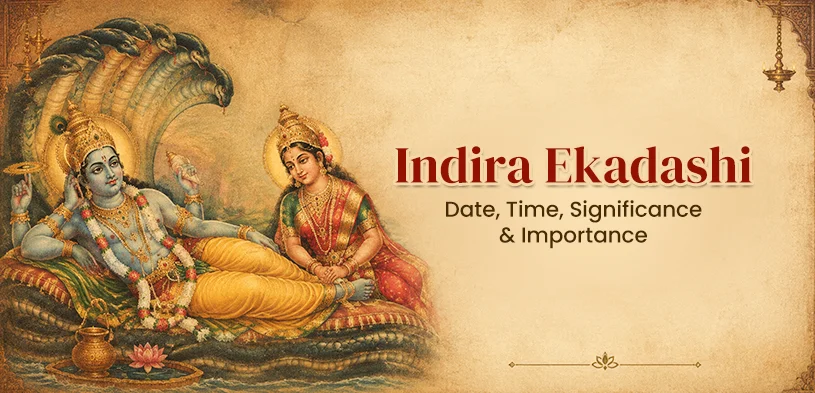
Indira Ekadashi, which falls during the Krishna Paksha of the Ashwin month, is one such meritorious tithi. As it occurs during Pitru Paksha, this day is specially associated with the worship of Lord Vishnu along with feelings of reverence and righteous deeds.
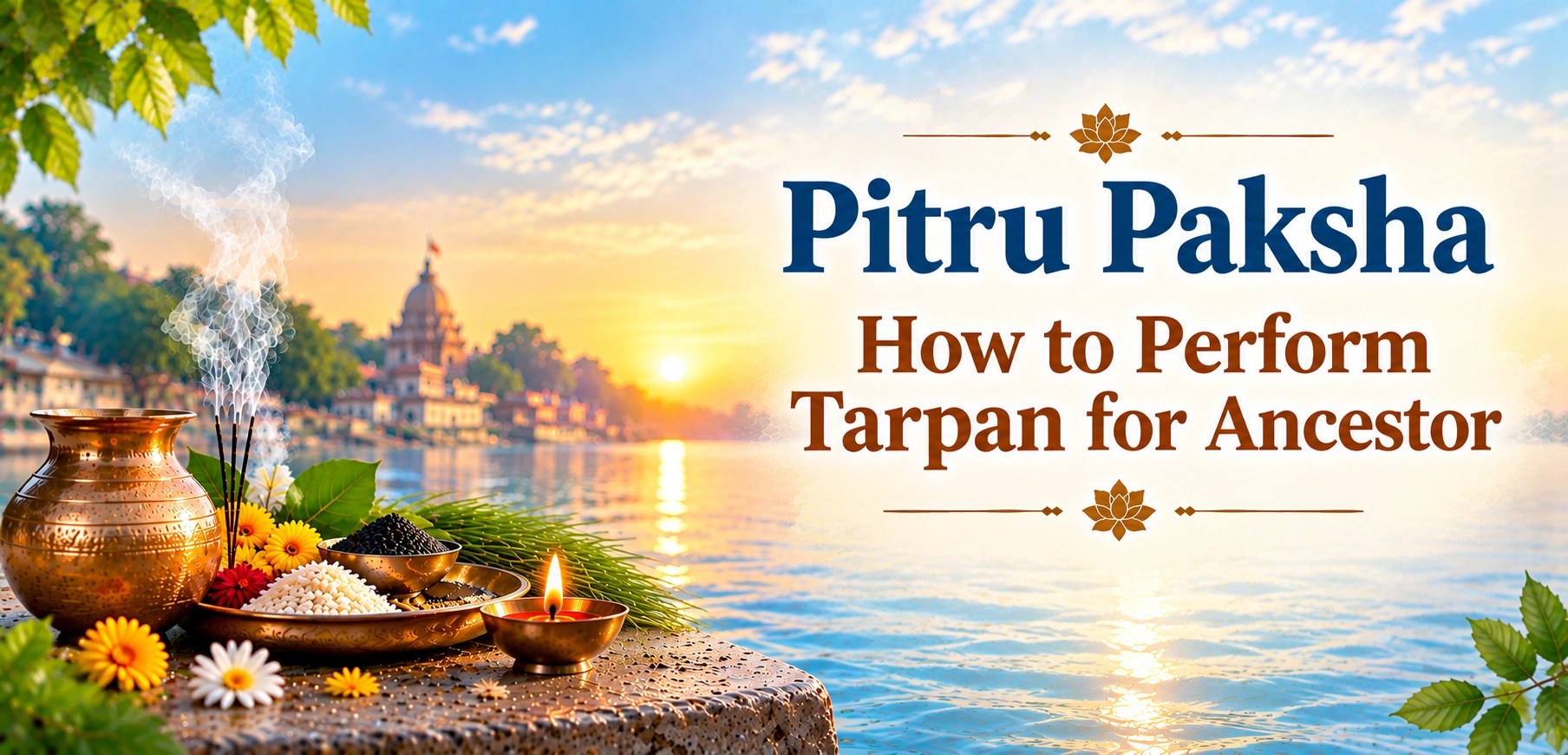
Our ancestors laid the foundation of the family through their lives, austerities, values, and good deeds. Pitru Paksha is the sacred opportunity to express reverence and gratitude towards them.
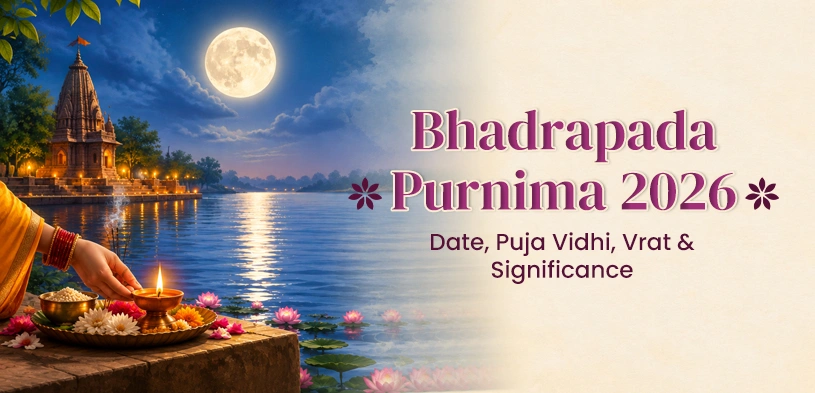
Bhadrapada Purnima 2026 falls on September 26. Discover its date, puja vidhi, vrat, Satyanarayan worship, Chandra Dev prayers, and the spiritual significance of charity and service.