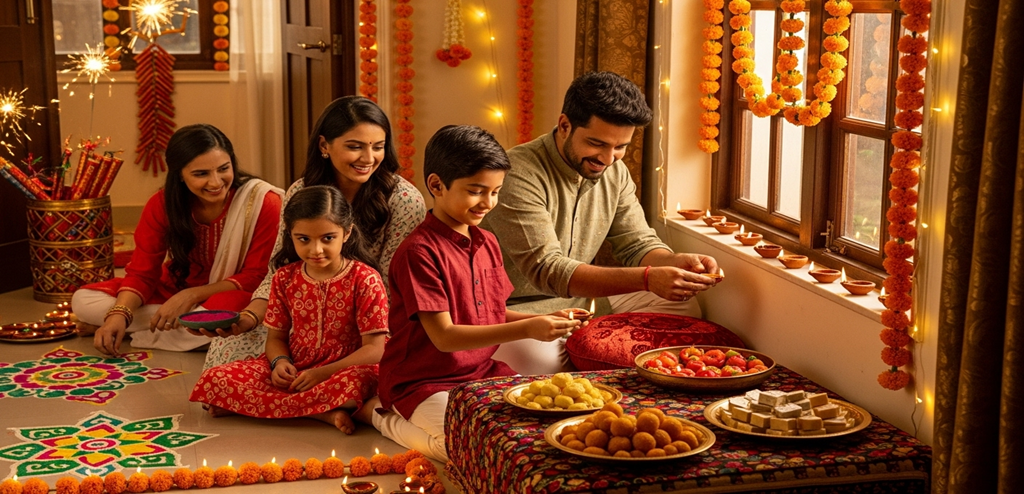
Diwali, also known as Deepavali, is one of the most vibrant and widely celebrated festivals in India and among Hindu communities worldwide. Symbolizing the victory of light over darkness, good over evil, and knowledge over ignorance, it brings families together in joyous festivities filled with lights, sweets, and fireworks. If you’re wondering about the Diwali date in 2025 or how to get ready for this auspicious occasion, you’ve come to the right place.
In this guide, we’ll cover everything from the exact timing of Diwali 2025 to essential preparations that make the festival truly special, including region-specific celebrations. Whether you’re celebrating for the first time or looking to enhance your traditions, these tips will help you prepare effectively.
Diwali falls on the 15th day of the Hindu lunar month of Kartik, which typically occurs in October or November on the Gregorian calendar. For 2025, the main day of Diwali, when Lakshmi Puja is performed, is on Monday, October 20. This date marks the peak of the celebrations, but Diwali is actually a five-day festival, each day holding its own significance and rituals.
The festival’s timing in 2025, falling mid-week, offers a perfect opportunity for extended family gatherings or short getaways. Diwali’s essence lies in its spiritual roots, drawing from ancient epics like the Ramayana, where Lord Rama’s return to Ayodhya after defeating Ravana is celebrated with rows of lamps—hence the name “festival of lights.”
Diwali, the festival of lights, is celebrated over five days, with each day carrying its own unique meaning and rituals. Below is the Diwali calendar for 2025, detailing the dates, days, and key rituals and significance.
| Day | Date (2025) | Key Rituals and Significance |
|---|---|---|
| Dhanteras | October 18 | Buy metals for prosperity; worship Lord Dhanvantari and Yama. |
| Naraka Chaturdashi | October 19 | Oil bath, firecrackers to honor Narakasura’s end, and Chhoti Diwali vibes. |
| Diwali (Lakshmi Puja) | October 20 | Evening worship of Lakshmi-Ganesh; light diyas for fortune. |
| Govardhan Puja | October 22 | Honor Lord Krishna’s victory over Indra; prepare annakut feast. |
| Bhai Dooj | October 23 | Sisters apply tilak to brothers and celebrate sibling bonds. |
Dhanteras, the first day of Diwali, is dedicated to wealth and well-being. Families purchase gold, silver, or kitchen utensils to attract prosperity, while homes are cleaned and adorned with rangoli to welcome good fortune. Devotees offer prayers to Lord Dhanvantari, the god of Ayurveda, for health and vitality, and to Lord Yama, the god of death, to seek protection from untimely demise. Lighting a Yama Deepam (lamp) at the entrance in the evening is a traditional ritual to ward off evil and honor the divine.
Also known as Chhoti Diwali, this day celebrates Lord Krishna’s victory over the demon Narakasura, symbolizing the triumph of good over evil. The day begins with an early morning oil bath, believed to purify the body and soul, followed by the bursting of firecrackers to mark the demon’s defeat. Homes are decorated with diyas and rangoli, and families share sweets and snacks, fostering a festive atmosphere. Some regions also worship Goddess Kali on this day for protection and strength.
The main day of Diwali, known as Deepavali or Lakshmi Puja, is a celebration of light, wealth, and new beginnings. In the evening, families perform a grand puja dedicated to Goddess Lakshmi, the deity of wealth, and Lord Ganesh, the remover of obstacles, to seek blessings for prosperity and success. Homes are illuminated with countless oil lamps (diyas) and fairy lights, while vibrant rangoli designs adorn entrances. Families exchange gifts, feast on sweets like laddoos and barfis, and burst firecrackers to celebrate joy and togetherness.
Govardhan Puja commemorates Lord Krishna’s miraculous act of lifting the Govardhan Hill to protect villagers from Indra’s wrath, symbolizing humility and gratitude for nature’s gifts. Devotees prepare an elaborate annakut (mountain of food) with a variety of vegetarian dishes as an offering to Lord Krishna. In some regions, cow worship is performed to honor their role in agriculture. Families gather to share the blessed food, reinforcing community bonds and thankfulness for divine protection and abundance.
Bhai Dooj is a heartwarming celebration of the sibling bond, where sisters pray for their brothers’ long life and prosperity by applying a ceremonial tilak (vermilion mark) on their foreheads. Brothers, in return, offer gifts and pledge to protect their sisters. The day is marked by family gatherings, feasts featuring traditional delicacies, and the exchange of heartfelt promises. This ritual, also known as Bhau Beej or Yama Dwitiya in some regions, strengthens familial love and unity.
Diwali is celebrated uniquely across India’s diverse regions, with each state adding its own cultural flair to the festival. Here’s a glimpse of what makes Diwali special in different states:
North India (Uttar Pradesh, Delhi): Known for grand Lakshmi-Ganesh puja and vibrant firecracker displays, North India emphasizes lighting diyas to celebrate Lord Rama’s return to Ayodhya.
South India (Tamil Nadu, Karnataka): Early morning oil baths and the preparation of sweets like adhirasam mark Choti Diwali, with a focus on Krishna’s victory over Narakasura.
West India (Gujarat, Maharashtra): Gujaratis celebrate the New Year post-Diwali with Bestu Varas, while Maharashtrians enjoy faral (festive snacks) and elaborate rangoli designs.
East India (West Bengal, Odisha): Kali Puja is prominent, with devotees worshipping Goddess Kali alongside lighting lamps and sharing sweets like rasgulla.
Punjab: Sikhs celebrate Bandi Chhor Divas, marking Guru Hargobind Ji’s release from prison, with illuminated gurudwaras and community feasts.
These regional variations add depth to Diwali, making it a beautiful tapestry of traditions across India.
Preparing for Diwali is as exciting as the festival itself. It’s a time to cleanse, decorate, and stock up on essentials, ensuring your home radiates positivity and warmth. Start your preparations at least two weeks in advance to avoid last-minute rushes. Here’s a comprehensive list of what to do, broken down into key areas.
1. Cleaning and Decluttering Your Home
Diwali preparations begin with a thorough spring cleaning, symbolizing the removal of negativity and making space for prosperity. Scrub every corner of your house, from floors to ceilings. Pay special attention to the kitchen, as it’s where you’ll prepare festive sweets. Donate or discard old items—this act is believed to invite Goddess Lakshmi’s blessings. Use eco-friendly cleaners to keep things sustainable, and consider repainting walls in bright colors like white or yellow for a fresh look.
2. Shopping for Essentials
Shopping is a highlight of Diwali prep. On Dhanteras, focus on buying metal items like utensils or jewelry. Stock up on diyas, candles, fairy lights, and rangoli colors. Don’t forget new clothes—traditional attire like sarees, kurtas, or lehengas in vibrant hues such as red, gold, or orange. For gifts, opt for sweets, dry fruits, or personalized items for family and friends. Markets during Diwali offer discounts, so plan your budget wisely to cover decorations, fireworks (if eco-friendly), and puja items like incense, flowers, and idols.
3. Decorating Your Space
Transform your home into a luminous haven. Hang torans (door hangings) at entrances and draw intricate rangoli designs at the doorstep using colored powders, rice, or flowers—these are said to welcome deities. Place diyas along balconies, windows, and pathways. String lights add a modern touch, while fresh marigold garlands bring fragrance and color. For an eco-conscious twist, use LED lights and biodegradable decorations to minimize environmental impact.
4. Preparing Festive Foods and Sweets
No Diwali is complete without mouthwatering treats. Start by making or buying sweets like laddoos, barfis, and gulab jamuns. Savory snacks such as chaklis, namkeens, and samosas are must-haves. Plan a menu for the main day, including dishes like puri-bhaji, aloo sabzi, or biryani for vegetarians. Involve the family in cooking—it’s a great bonding activity. If you’re health-conscious, experiment with sugar-free versions or baked alternatives to traditional fried items.
5. Setting Up for Puja and Rituals
Gather puja essentials: a Lakshmi-Ganesh idol, silver coins, betel leaves, fruits, and holy water. Create a small altar in the northeast corner of your home. Learn simple mantras or download apps for guided pujas if you’re new to it. On Diwali night, perform the Lakshmi Puja during the auspicious muhurat (usually evening hours) to seek blessings for the year ahead.
6. Safety and Eco-Friendly Tips
With fireworks being a tradition, choose green crackers to reduce pollution. Supervise children and keep fire extinguishers handy. Promote a cracker-free Diwali by focusing on lights and community events. Recycle waste from preparations and opt for reusable items where possible.
These preparations not only enhance the festive spirit but also foster a sense of renewal and togetherness. By following this guide, you’ll be well-equipped to celebrate Diwali 2025 meaningfully.
Diwali 2025 on October 20 promises joy, prosperity, and unforgettable moments. From understanding the dates to diving into region-specific traditions and preparations, this festival is about more than rituals—it’s a celebration of life and positivity. Start your prep early, involve loved ones, and let the lights illuminate your world.
Happy Diwali!
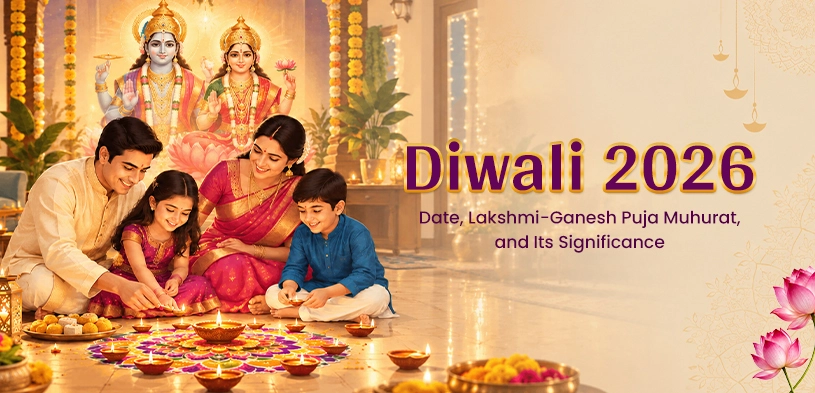
Diwali, the festival of lights, brings a message of renewed hope, prosperity, and new beginnings. It is a sacred occasion to illuminate our inner selves, follow the path of good deeds, and embrace righteousness, compassion, and harmony in our lives.
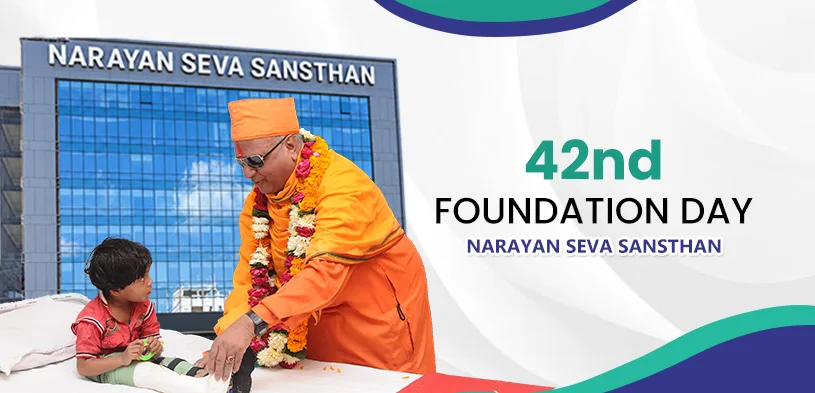
The guiding motto of Narayan Seva Sansthan is “Nar Seva Hi Narayan Seva”. This belief lies at the heart of every service initiative undertaken by the organization.

Full moon of Ashwin month, known as Sharad Purnima, Kojagari Purnima, and Raas Purnima, holds a special place because of its religious and spiritual significance. It is associated with Lord Shri Krishna’s divine Raas Leela, worship of Goddess Lakshmi