- +91-7023509999
- 0294-6622222
- info@narayanseva.org
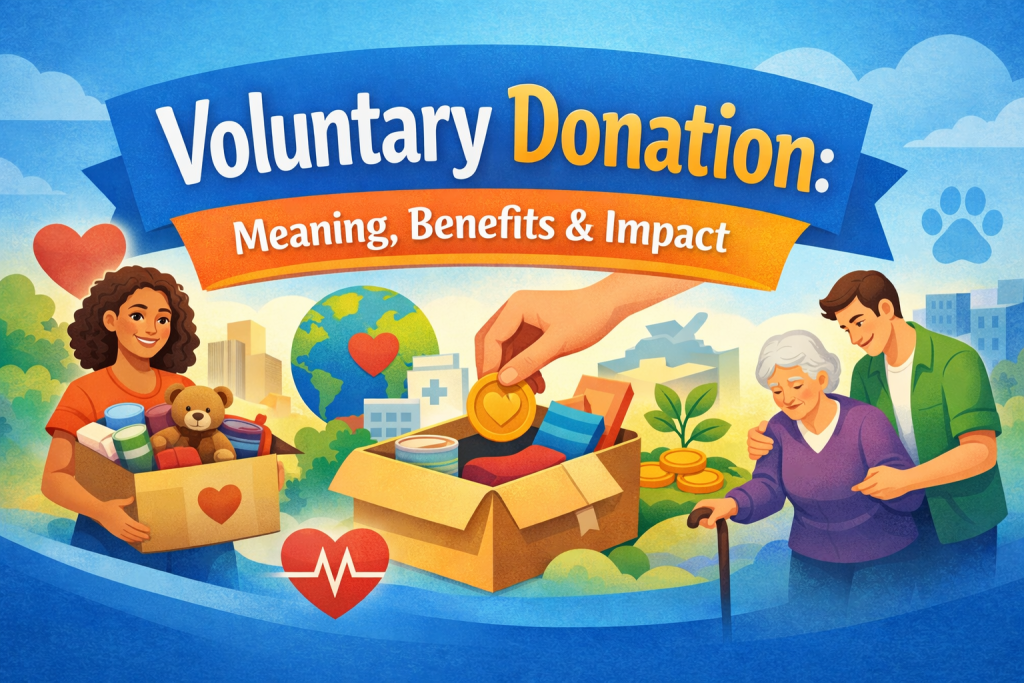
Voluntary donation or Voluntary Contribution is an act of giving that comes from the heart. It happens without pressure, obligation, or any expectation of return. In today’s fast-changing world, this donations have become important in civil society. They help people who are left behind because of poverty, disability, or lack of basic services.
With the rapid growth of digital payments and online donation sites in India, it has become easier than ever to contribute to meaningful causes from anywhere in the world.
A small help might seem minor to one person, but it can provide food, education, or medical care to someone in need. When people come together to donate, their small acts of kindness create a strong wave of positive change.
Voluntary donation is when someone gives something for free. This can be money, goods, time, or skills. It’s done without pressure, taxes, or legal requirements. This donations are different from taxes or pressured giving. They come from compassion, empathy, and a true wish to help.
It’s not the same as forced giving. In those cases, people donate due to social pressure, fear of judgment, or legal rules. Voluntary Contribution is based on freedom, awareness, and personal values.
There are different types of voluntary donations:
These donations help create a caring society and build a responsible community.
Voluntary Contribution are lifelines for countless underprivileged individuals and communities. They help people access basic needs such as food, shelter, education, and healthcare.
For NGOs and charitable organizations, this donations are essential for continuing their work. They help plan activities, expand programs, and create long-term positive change.
Beyond financial support, voluntary donation promotes equality and social justice. It bridges the gap between privilege and need, encouraging a culture of kindness and responsibility.
Donors don’t just give money; they take a step toward building a fairer society.
Well-managed Voluntary Contribution create sustainable change by empowering individuals to become self-reliant and confident.
NGOs connect donors with beneficiaries through awareness campaigns and digital platforms. They maintain transparency through reports and audits, building long-term trust.
Narayan Seva Sansthan is a renowned NGO working for people with disabilities and the underprivileged. Through donor support, it runs impactful initiatives.
Programs like mass weddings support financially weak couples. Rehabilitation services include surgeries, physiotherapy, and assistive devices.
Every donation contributes to empowerment by funding surgeries, education, and skill development.
Voluntary donation is about compassion and shared responsibility. Even small contributions can create a big difference. Supporting a trusted NGO can help build a more inclusive and better society. Take a step today and make a difference.
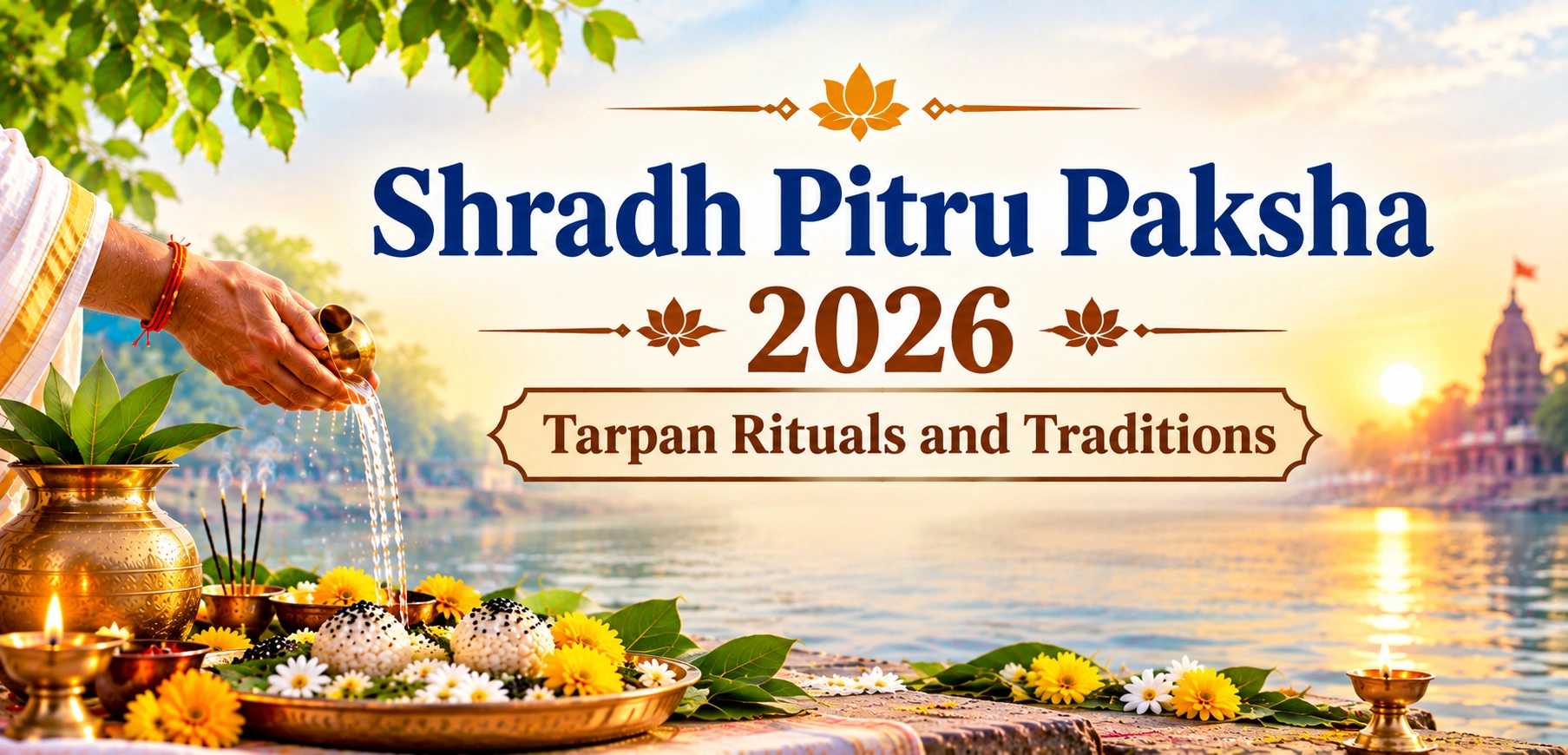
In the year 2026, Shradh Paksha (Pitru Paksha) will begin on 26 September 2026 and end on 10 October 2026 with Sarva Pitru Amavasya. During this sacred period, followers of Sanatan Dharma can perform Shradh, Tarpan and other rituals for their ancestors according to the respective tithi.
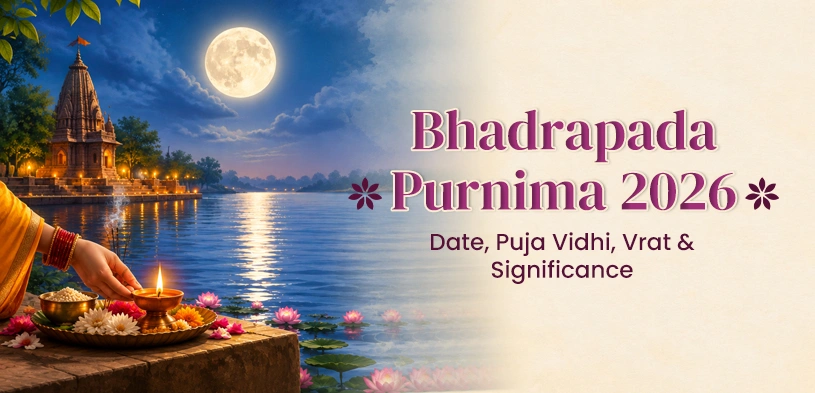
Bhadrapada Purnima 2026 falls on September 26. Discover its date, puja vidhi, vrat, Satyanarayan worship, Chandra Dev prayers, and the spiritual significance of charity and service.
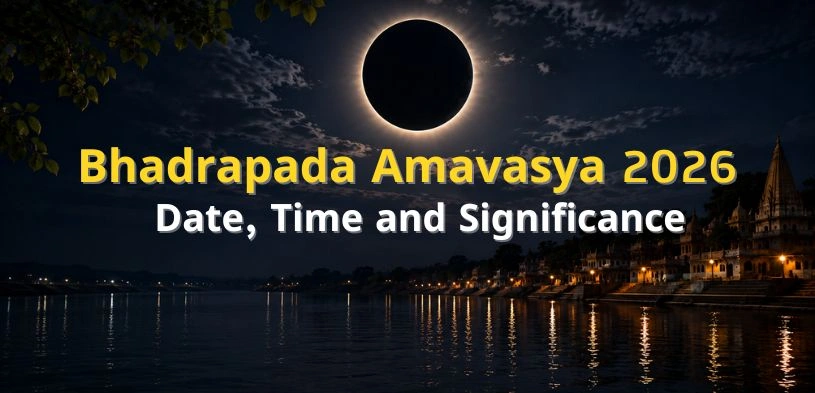
Bhadrapada Amavasya holds special spiritual significance in the Hindu Panchang. This sacred day is considered highly auspicious for self-reflection, remembering ancestors, offering Tarpan, taking a holy bath, and performing charity.