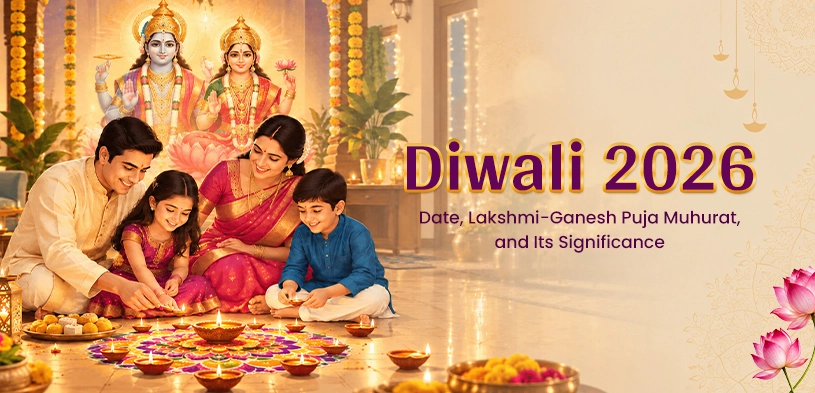
Diwali, the festival of lights, will be celebrated on Sunday, November 8, 2026. Observed on Amavasya in the Hindu month of Kartik, this auspicious festival fills homes and courtyards with the warm glow of diyas, devotion, and joy. Diwali symbolizes the victory of good over evil and light over darkness, inspiring people to welcome new beginnings with hope, positivity, and prosperity.
According to Sanatan tradition, devotees worship Goddess Lakshmi and Lord Ganesha on Diwali to seek blessings for wealth, wisdom, happiness, and well-being. Beyond the rituals and decorations, the festival also reminds us of the importance of compassion and selfless service. Sharing food, helping families in need, and bringing smiles to underprivileged children can make Diwali more meaningful by spreading its light into the lives of others.
According to the Hindu calendar, Diwali falls on Amavasya in the month of Kartik. Lighting diya during Pradosh Kaal and worshipping Goddess Lakshmi are important traditions associated with this day.
According to the calculations available on Drik Panchang, Diwali will be celebrated on Sunday, November 8, 2026. The Amavasya Tithi is stated to begin at 11:27 AM on November 8 and end at 12:31 PM on November 9.
Diwali evening is considered an especially auspicious time for worshipping Goddess Mahalakshmi and Lord Ganesha. Goddess Lakshmi is revered as the deity of wealth, prosperity, good fortune, and abundance, while Lord Ganesha is worshipped as the remover of obstacles and the deity invoked at the beginning of auspicious activities. This is why worshipping both deities together is a longstanding Diwali tradition.
According to Panchang, the auspicious time for Lakshmi Puja on November 8, 2026, is from 5:54 PM to 7:50 PM. Devotees can perform the rituals during this period and pray for happiness, peace, and prosperity in their families.
Before beginning the rituals, keep the home peaceful and the place of worship clean and sacred. Perform the puja with devotion, gratitude, and a calm mind. The exact timing and method of worship should be determined according to family traditions and the local Panchang.
The true message of Diwali is to illuminate our inner selves with noble qualities. The small flame of a lamp reminds us that no matter how deep the darkness may be, even a single ray of light has the power to dispel it. Similarly, by following truth, wisdom, and righteous conduct, we can overcome negative qualities such as ignorance, jealousy, anger, and ego.
In the divine traditions of Sanatan Dharma, Diwali is regarded as a symbol of righteousness, auspiciousness, and new beginnings. During this festival, people clean their homes, decorate temples, light lamps, and remember their revered deities. It is also an opportunity to share love with family members, resolve old disagreements, and strengthen relationships with warmth and understanding.
One of the most widely known beliefs associated with Diwali is the return of Lord Shri Ram to Ayodhya. According to tradition, after completing fourteen years of exile and defeating Ravana, Lord Shri Ram returned to Ayodhya with Goddess Sita and Lakshman. To celebrate their return, the people of Ayodhya lit rows of lamps and welcomed them with joy.
The tradition of Diwali has been an integral part of Indian culture for centuries. Ancient literature, religious scriptures, and historical works contain references to festivals of lights, including Deepotsav and Deepamalika. The Padma Purana and Skanda Purana also describe traditions associated with Diwali and the significance of lighting lamps.
In Indian culture, a lamp symbolizes knowledge, purity, and auspiciousness. While lighting a lamp, people pray for the light of wisdom and good judgment to illuminate their lives. This is why lighting lamps remains an important tradition during worship, religious ceremonies, and auspicious occasions.
Diwali is celebrated across different regions of India with diverse folk traditions and religious beliefs. Some communities associate it with Lord Shri Ram’s return to Ayodhya, while others give special importance to the worship of Goddess Lakshmi, the beginning of a new business year, and other regional religious customs. Despite these differences, the central message of Diwali remains the same: light, auspiciousness, and harmony.
Diwali is similar to several other festivals that are celebrated as part of the wider festive season. Together, these celebrations typically span five to six days.
| Festival | Date | Significance |
|---|---|---|
| Dhanteras | November 6, 2026 | Celebrates wealth, good health, and auspicious beginnings. People worship Lord Dhanvantari and Goddess Lakshmi. |
| Naraka Chaturdashi (Chhoti Diwali) | November 7, 2026 | Symbolizes the victory of good over evil and the removal of negativity. |
| Diwali | November 8, 2026 | The main festival, celebrated with Lakshmi-Ganesha Puja and the lighting of lamps for prosperity and well-being. |
| Govardhan Puja | November 9, 2026 | Commemorates Lord Krishna lifting Govardhan Hill and expresses gratitude towards nature and cattle. |
| Bhai Dooj | November 10, 2026 | Celebrates the bond between brothers and sisters and their wishes for each other’s happiness and well-being. |
On Diwali morning, wake up early, bathe, and clean your home and place of worship. In the evening, place a red or yellow cloth on a raised platform and install the idols of Goddess Lakshmi and Lord Ganesha. Position the idols according to your family traditions or the guidance of your priest.
Light a lamp, meditate on the deities, and take a solemn resolve to perform the puja. Offer flowers, Akshat, sandalwood paste, incense, lamps, fruits, kheer, Batasha sweets, Lai, and other sweets. Offer flowers and Naivedya to Goddess Lakshmi with devotion, and present Durva grass and Lord Ganesha’s preferred offerings to him.
Next, chant Lakshmi-Ganesh mantras. Recite the Lakshmi Chalisa, Shri Suktam, or a prayer traditionally followed by your family, and perform the aarti. After completing the puja, distribute Prasad and light lamps at the entrance, in the courtyard, and around the place of worship.
Please remember that puja rituals may vary according to family customs and regional traditions. Therefore, it is appropriate to perform the worship with devotion while following your customary practices.
Diwali is celebrated across India with a shared message of light, prosperity, and the victory of good over evil. However, the customs, traditional foods, religious practices, and regional significance of the festival vary from state to state.
In Uttar Pradesh, Diwali is closely associated with the traditional belief that Lord Shri Ram returned to Ayodhya after fourteen years of exile and defeating Ravana. Homes, temples, and streets are decorated with diyas, rangoli, and lights. Ayodhya is particularly known for its Deepotsav celebrations, during which the city and the banks of the Sarayu River become a focal point of festive devotion.
In Rajasthan, Diwali is celebrated with illuminated homes, decorated markets, traditional sweets, and Lakshmi-Ganesh Puja. Families clean and decorate their houses, create rangoli designs, and light earthen lamps to welcome prosperity. In many business communities, the festival also marks an important occasion for worshipping account books and beginning a new financial year according to customary practices.
Diwali holds special significance in Gujarat, where Lakshmi Puja, home decoration, and traditional sweets are important parts of the celebrations. The festival is followed by Bestu Varas, the Gujarati New Year, which is an occasion for family gatherings, exchanging greetings, and seeking blessings for prosperity. The new year is observed according to the regional calendar.
In Maharashtra, Diwali celebrations commonly begin with traditions associated with Vasu Baras and Dhanteras, followed by Naraka Chaturdashi, Lakshmi Puja, and other festive observances. Abhyanga Snan, a traditional oil bath taken on the appropriate morning, is an important custom in many households. Faral, a selection of festive snacks and sweets, is prepared and shared with family and friends.
In West Bengal, Diwali coincides with Kali Puja in many communities. Devotees worship Goddess Kali, decorate homes and temples with lights, and offer prayers for protection and well-being. Special puja arrangements, devotional gatherings, and illuminated streets make the occasion distinctive. Although Lakshmi Puja is also important in Bengal, it is traditionally observed separately during Kojagori Lakshmi Puja, around Sharad Purnima.
In Tamil Nadu, Deepavali is particularly associated with Naraka Chaturdashi traditions. Many families celebrate with an early-morning oil bath, new clothes, prayers, and the sharing of sweets and savoury snacks. The festival commemorates the victory of good over evil and is often celebrated in the morning rather than centring exclusively on evening Lakshmi Puja.
In Karnataka, Deepavali is observed through regional traditions that may include Naraka Chaturdashi, Bali Padyami, and Lakshmi Puja. Families light lamps, prepare festive meals, and offer prayers. Bali Padyami, associated with King Bali, has special cultural and religious significance in several communities.
In Andhra Pradesh and Telangana, Diwali is celebrated with diyas, rangoli, traditional foods, family gatherings, and prayers. Naraka Chaturdashi and Lakshmi Puja are observed according to family customs and local Panchang traditions. The festival brings communities together through religious observances, festive meals, and the exchange of sweets and gifts.
In Punjab, Diwali is celebrated with illuminated homes, lamps, festive meals, and family gatherings. The occasion also coincides with Bandi Chhor Divas for Sikhs, commemorating Guru Hargobind Sahib’s release from imprisonment and the associated historical tradition of his return to Amritsar. The Golden Temple is especially renowned for its illumination during this occasion.
In Odisha, Diwali includes distinctive ancestral remembrance traditions in some communities. People may light lamps and perform rituals associated with inviting or honouring their ancestors, alongside household worship and festive celebrations. The precise customs and prayers vary by family and region.
On Diwali, prayers and the recitation of mantras help focus the mind and nurture a positive outlook towards life. The following well-known mantra from the Brihadaranyaka Upanishad beautifully expresses the ideals of light and spiritual knowledge.
Asato Ma Sadgamaya.
Tamaso Ma Jyotirgamaya.
Mrityor Ma Amritam Gamaya.
Om Shanti, Shanti, Shanti.
Meaning: O Lord, lead us from falsehood to truth, from darkness to light, and from mortality to immortality.
This prayer is deeply connected with the spiritual message of Diwali. It inspires us to bring not only external light into our surroundings but also the light of knowledge, truth, and righteous conduct into our thoughts and actions.
The joy of Diwali becomes even more meaningful when people in need are included in our celebrations. In the Sanatan tradition, charity, compassion, and selfless service are regarded as important virtues. During the festival, we can serve others by providing food to a needy family, offering festive essentials, helping someone in distress, or bringing a smile to the face of an underprivileged child.
With this spirit of compassion, Narayan Seva Sansthan is running the “Har Ghar Khushiyon Ki Diwali” initiative. Under this initiative, gift boxes are being distributed to people in need. Each box will contain puja essentials, firecrackers, clothing, and sweets.
Please contribute to brighten Diwali for underprivileged, helpless, and needy people. Your support can give a family a reason to celebrate and bring a new ray of hope into the life of someone in need.
Diwali is an opportunity to awaken devotion in our hearts, purity in our thoughts, and a spirit of selfless service in our actions. While worshipping Goddess Lakshmi and Lord Ganesha, let us pledge to embrace truth, righteousness, humility, and compassion in our lives.
This Diwali, share love with your family, act responsibly towards nature, help those in need, and celebrate the festival joyfully. Let the light of the lamps remind us every day that true illumination is the light that dispels ignorance within us and brings hope into the lives of others.
May Goddess Mahalakshmi and Lord Ganesha bless everyone with happiness, peace, wisdom, and prosperity. May every home shine with the light of love, and may every heart be illuminated by service and harmony.
Wishing everyone a very Happy Diwali 2026!
Q. When will Diwali be celebrated in 2026?
A. Diwali will be celebrated on November 8, 2026.
Q. What is the auspicious muhurat for Lakshmi-Ganesh Puja on Diwali 2026?
A. According to the Panchang, the auspicious time for Lakshmi Puja on November 8, 2026, is from 5:54 PM to 7:50 PM.
Q. Why are lamps lit on Diwali?
A. Lighting diyas symbolises light, knowledge, auspiciousness, and hope. The tradition is also associated with the celebration of Lord Shri Ram’s return to Ayodhya.
Q. How can I participate in Narayan Seva Sansthan’s “Har Ghar Khushiyon Ki Diwali” initiative?
A. You can support the “Har Ghar Khushiyon Ki Diwali” service initiative by making a contribution through the Narayan Seva Sansthan website.
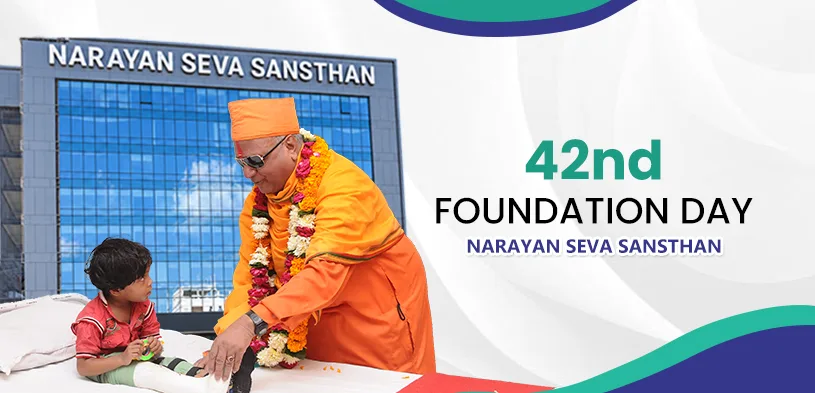
The guiding motto of Narayan Seva Sansthan is “Nar Seva Hi Narayan Seva”. This belief lies at the heart of every service initiative undertaken by the organization.
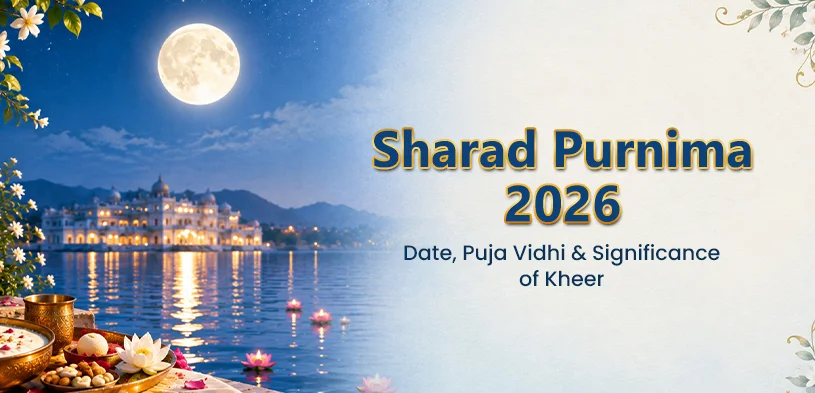
Full moon of Ashwin month, known as Sharad Purnima, Kojagari Purnima, and Raas Purnima, holds a special place because of its religious and spiritual significance. It is associated with Lord Shri Krishna’s divine Raas Leela, worship of Goddess Lakshmi
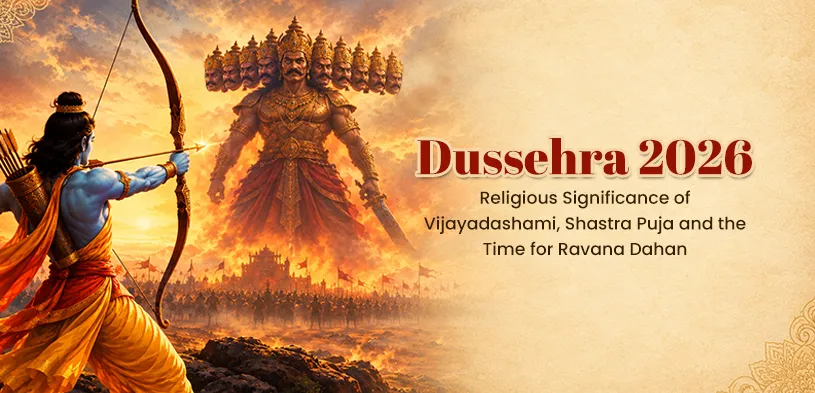
According to the Hindu calendar, Dussehra, also known as Vijayadashami, is celebrated on the tenth day of the Shukla Paksha, or waxing phase of the Moon, in the month of Ashwin.