- +91-7023509999
- 0294-6622222
- info@narayanseva.org
In the Sanatan tradition, celestial events are viewed not merely from a scientific perspective but are also deeply intertwined with spiritual and religious sentiments. In Hinduism, the Sun and the Moon are revered as divine entities. Consequently, periods of solar or lunar eclipses are considered especially auspicious for spiritual practice, introspection, mantra chanting, and performing virtuous deeds.
The second and final solar eclipse of 2026 brings with it just such a significant occasion. This solar eclipse will occur on the night of August 12. Notably, it coincides with Hariyali Amavasya. Although this eclipse will not be visible from India, it has generated considerable interest among people from both religious and astrological viewpoints.
According to the Panchang (Hindu almanac), the year’s final solar eclipse will begin on the night of August 12. Based on Indian Standard Time, the eclipse will commence at 9:04 PM and conclude at 1:27 AM on August 13. The total duration of this solar eclipse will be approximately 4 hours and 23 minutes.
The coincidence of the solar eclipse with Hariyali Amavasya makes the event even more special. In Sanatan Dharma, the Amavasya (new moon day) itself is considered significant for worship, meditation, honoring ancestors, and acts of charity. Thus, an eclipse occurring on this day presents a unique opportunity for spiritual practice for the faithful.
This solar eclipse will not be directly visible from Indian soil. Since the eclipse is not visible in India, the observance of associated religious protocols is not considered mandatory here.
People often have questions regarding the Sutak Kaal (the inauspicious period preceding an eclipse). According to religious beliefs, the observance of Sutak applies primarily to the regions where the eclipse is visible. Since this solar eclipse will not be visible in India, it will not be applicable here. This means that in India, there will be no restrictions on routine daily activities, worship, or eating due to the eclipse.
In Sanatan Dharma, the period of an eclipse is considered a special time for spiritual practice (sadhana). It is believed that withdrawing the mind from worldly activities and focusing on the Divine during this time enhances spiritual concentration. Devotees can contemplate their chosen deity (Ishta-Deva) during the eclipse. Those who worship the Sun God (Surya Dev) may also chant the Surya Mantra:
Om Adityaya Vidmahe Divakaraya Dhimahi Tannah Suryah Prachodayat.
Remembering the Divine, chanting mantras, meditation, and reciting spiritual texts are practiced during the eclipse. Observing silence while maintaining positive thoughts can also lead to inner peace. Devotees should bathe after the eclipse concludes. Subsequently, donating food, clothing, grains, or other useful items to the needy according to one’s capacity is considered auspicious.
Rules regarding the eclipse vary according to location and religious traditions. In areas where the eclipse is visible, traditional beliefs dictate abstaining from eating, cooking, and other routine activities during the eclipse period.
The core message of the Sanatan tradition is to encourage individuals to look within, remember the Divine, and steer their lives toward virtuous deeds. Therefore, the occasion of August 12th can serve as a time for introspection for those who believe in spiritual practice. Spending time in meditation, dispelling negative thoughts, and serving the needy can make this day truly meaningful.
Although the year’s final solar eclipse may not be visible in India, its coincidence with Hariyali Amavasya—falling in the Shravan month – makes it a special occasion for the faithful. Rather than fearing the eclipse, it is far more meaningful to view it as an opportunity for self-restraint, remembrance of the Divine, service, and virtuous actions. Remembering the Divine, serving the needy, and cultivating positive thoughts—this is the true essence and significance of any religious occasion.
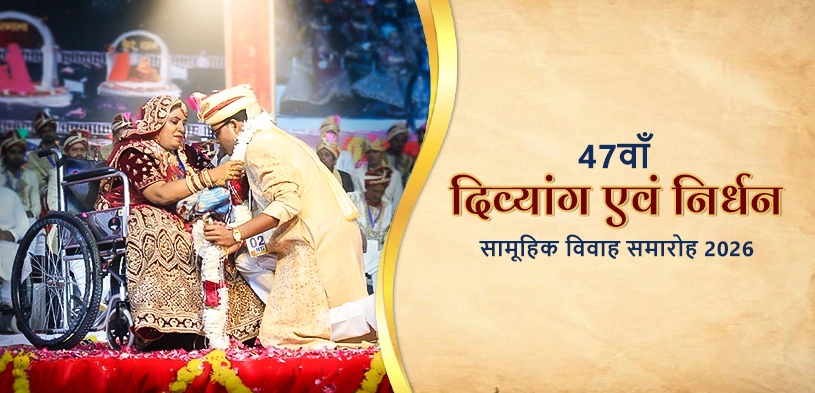
दो दिवसीय विवाह महाकुंभ आगामी 19 एवं 20 सितंबर 2026 को उदयपुर के लियो का गुड़ा, बड़ी स्थित संस्थान के ‘सेवा महातीर्थ’ प्रांगण में आयोजित होगा। यह आयोजन उन सैकड़ों दिव्यांग और आर्थिक रूप से वंचित युवाओं के जीवन में आशा, आत्मसम्मान और नए उजास की भोर लेकर आ रहा है|

Connecting this sacred marital tradition with human service, compassion, and social harmony, Narayan Seva Sansthan is set to organise the grand ‘47th Mass Wedding for Poor and Differently Abled ceremony’ on the historic soil of Udaipur.
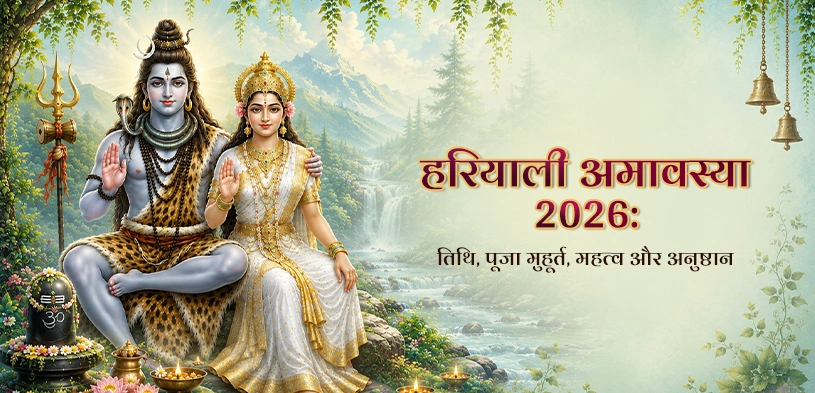
सावन का महीना भगवान शिव की भक्ति के लिए सबसे पवित्र माना जाता है। इस पूरे माह में शिव मंदिरों में भक्तों की भीड़ उमड़ती है और व्रत, पूजा व अभिषेक का विशेष महत्व रहता है। इसी पावन महीने में आने वाली अमावस्या को हरियाली अमावस्या कहा जाता है। इसे श्रावण अमावस्या या सावन अमावस्या के नाम से भी जाना जाता है।