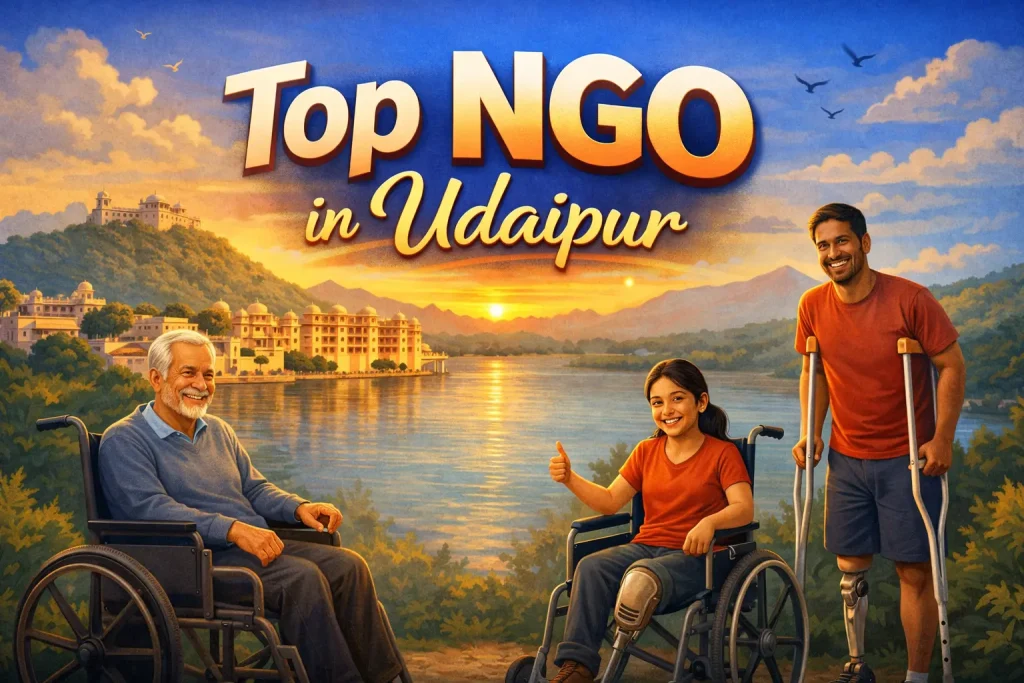
Udaipur is known for its lakes and palaces. Fewer people know it for something more consequential: a concentration of grassroots work that has quietly reshaped how disability and poverty are addressed in Rajasthan. Behind that shift sits a small set of organizations doing disciplined, measurable work — and understanding what separates a credible NGO in Udaipur from one that merely claims impact is the first step toward giving well.
This isn’t a marketing exercise. It’s a framework: what trustworthy NGO work actually looks like, why Narayan Seva Sansthan has sustained that standard since 1985, and where your contribution financial or otherwise creates the most durable change.
Good intentions are common. Structural accountability is not. A credible organization is legally registered, holds current 12A, 80G, and FCRA certifications, and publishes audited financials rather than vague impact claims. Donors who understand how Section 80G tax exemption actually works are, in practice, the donors who ask the sharpest questions — and the organizations that welcome those questions tend to be the ones worth funding.
Track record matters more than testimony. A four-decade operating history, third-party audits, and a public list of comparable organizations see this broader NGOs across India — give donors a reference point instead of a sales pitch.
Founded in 1985 by Padma Shri Kailash “Manav” Agarwal, the organization operates on a single governing principle – Nar Seva Hi Narayan Seva, service to humanity as service to the divine. Four decades on, that principle has scaled into one of India’s largest disability-focused infrastructures, headquartered at Narayan Seva Kendra in Udaipur.
The organization’s model rests on three operating pillars, each addressing a distinct barrier to dignity: Heal, Enrich, and Empower.
The foundation of the work is medical. Free corrective surgeries at the organization’s own hospital address conditions like clubfoot and polio-related deformity before they become lifelong disabilities. Where surgery isn’t the answer, artificial limbs, assistive aids and appliances, and ongoing physiotherapy restore functional independence. A dedicated critical disease care program extends support to patients who cannot otherwise afford treatment.
Disability and poverty rarely travel alone; social exclusion compounds both. The Narayan Children Academy gives underprivileged children a real academic pathway rather than a token one. And in a country where marriage carries significant social weight, the Mass Wedding initiative fully funds traditional Hindu weddings for differently abled and low-income couples — families that would otherwise indefinitely postpone the ceremony on cost alone. The 47th edition, held in Udaipur in 2026, continues a tradition now in its fifth decade.
Charity that stops at treatment is incomplete. Skill development programs in stitching, handicrafts, and trade training convert beneficiaries into wage earners. Para Sports and the Fashion Talent Show give participants a public platform that reframes disability as capability rather than deficit- a shift in narrative that is, arguably, as important as the material support itself.
Two documented cases illustrate the model’s throughline. Ravi, affected by childhood polio, underwent corrective surgery and now attends school and walks independently. Riya, from West Bengal, received a prosthetic limb alongside stitching training and now runs a self-sustaining tailoring business. Neither outcome required a one-time donation alone both required the full Heal-to-Empower sequence operating as designed.
Financial giving is the most visible form of support, but not the only one. The organization runs several structured entry points for deeper involvement:
Udaipur’s civil-society landscape includes several credible players, each with a distinct focus: Seva Mandir on rural development and women’s empowerment; the Robin Hood Army on surplus-food redistribution; Rajasthan Bal Kalyan Samiti on child welfare in tribal regions. What differentiates Narayan Seva Sansthan is scope and integration few organizations run healthcare, education, and livelihood programs under one operational roof, at this scale, for this long. A broader comparison sits in this overview of India’s leading NGO foundations.
Strip away the sentiment and the argument is structural: disability and poverty are compounding disadvantages, and single-intervention charity a meal, a one-time surgery rarely breaks that compounding effect. What breaks it is sequence: medical correction, followed by education or skill-building, followed by economic independence. That sequence is precisely what a mature NGO in Udaipur like Narayan Seva Sansthan has spent forty years refining. Reviewing its frequently asked questions or exploring the Smart Village initiative for the differently abled is a reasonable next step for anyone evaluating where a contribution will compound rather than merely spend.
Q. Which is the most established NGO in Udaipur?
A. Narayan Seva Sansthan, operating since 1985, is among the longest-running and most audited organizations in the region.
Q. How is donation transparency verified?
A. Through audited annual reports, registered 12A/80G/FCRA status, and donor-facing updates on fund utilization.
Q. Are contributions tax-exempt?
A. Yes, donations qualify for exemption under Section 80G of the Indian Income Tax Act.
Q. Where do donated funds actually go?
A. Predominantly into surgeries, assistive devices, education, and livelihood training — the Heal, Enrich, and Empower pillars outlined above.
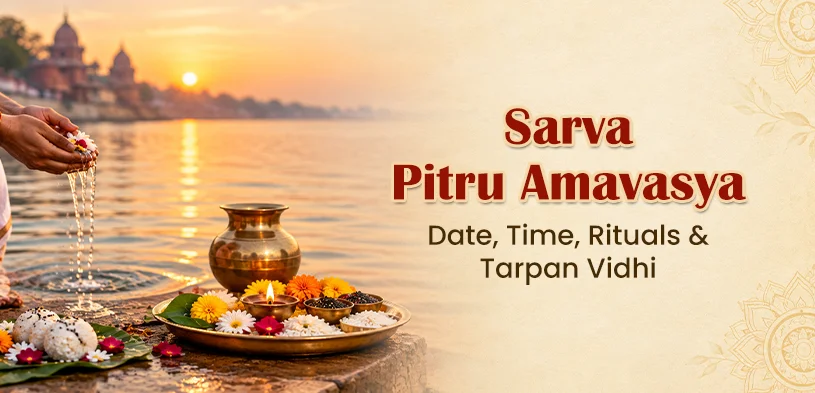
The last day of Pitru Paksha is known as Sarva Pitru Amavasya. This Amavasya is considered especially significant for remembering all known and unknown ancestors whose Shradh date may not be known or whose Shradh could not be performed on the prescribed tithi for some reason.
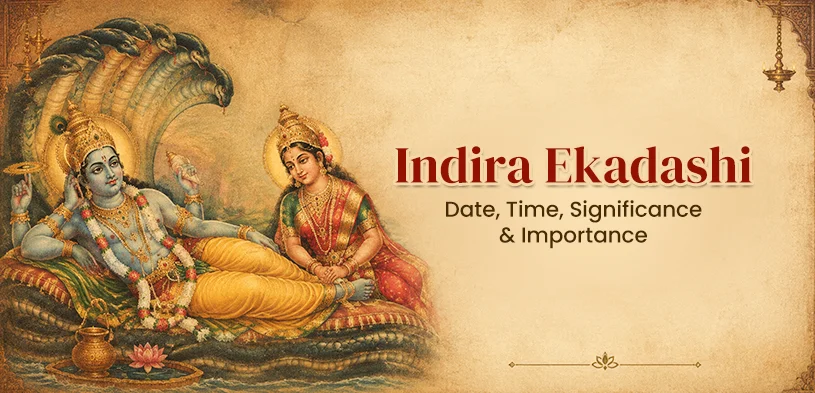
Indira Ekadashi, which falls during the Krishna Paksha of the Ashwin month, is one such meritorious tithi. As it occurs during Pitru Paksha, this day is specially associated with the worship of Lord Vishnu along with feelings of reverence and righteous deeds.
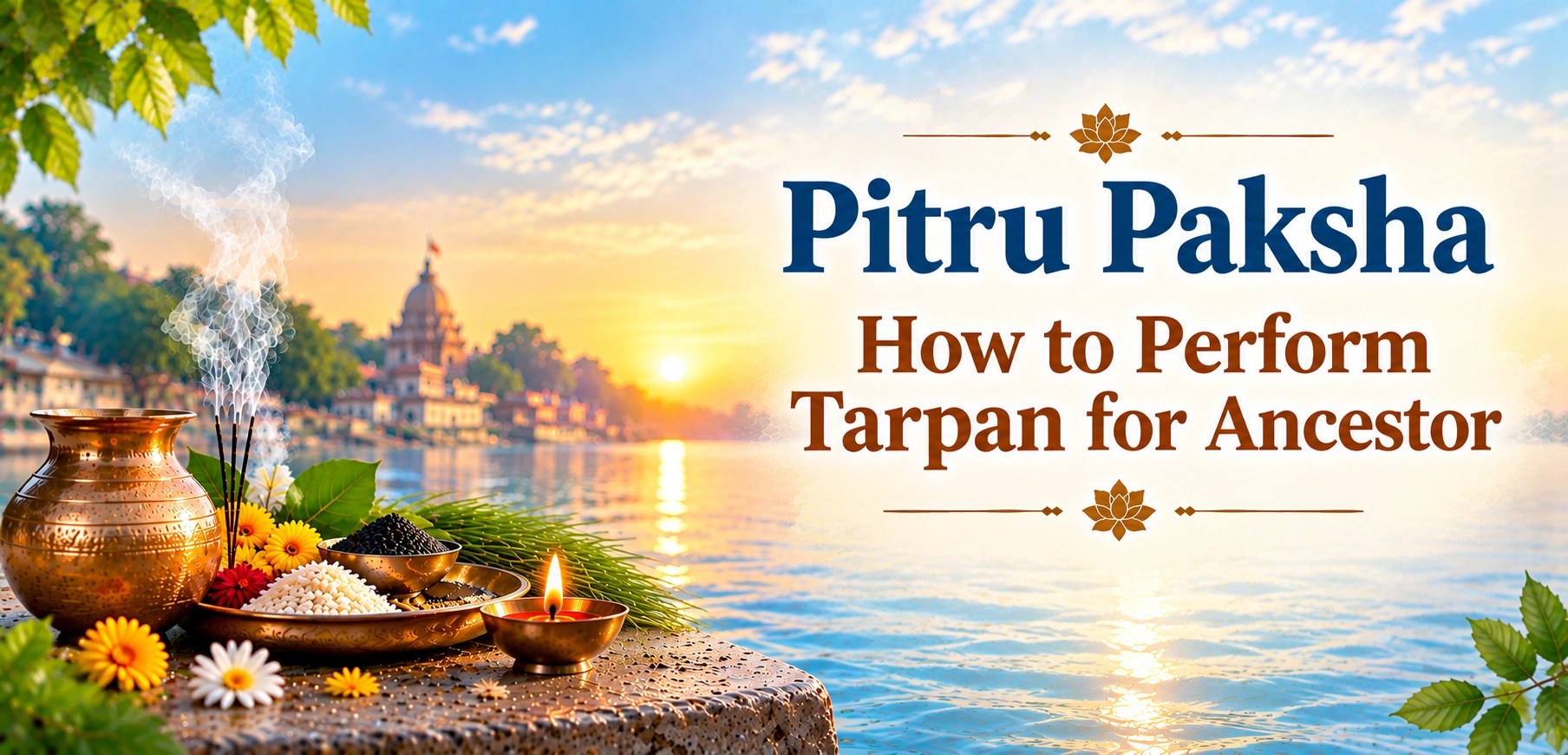
Our ancestors laid the foundation of the family through their lives, austerities, values, and good deeds. Pitru Paksha is the sacred opportunity to express reverence and gratitude towards them.