- +91-7023509999
- 0294-6622222
- info@narayanseva.org
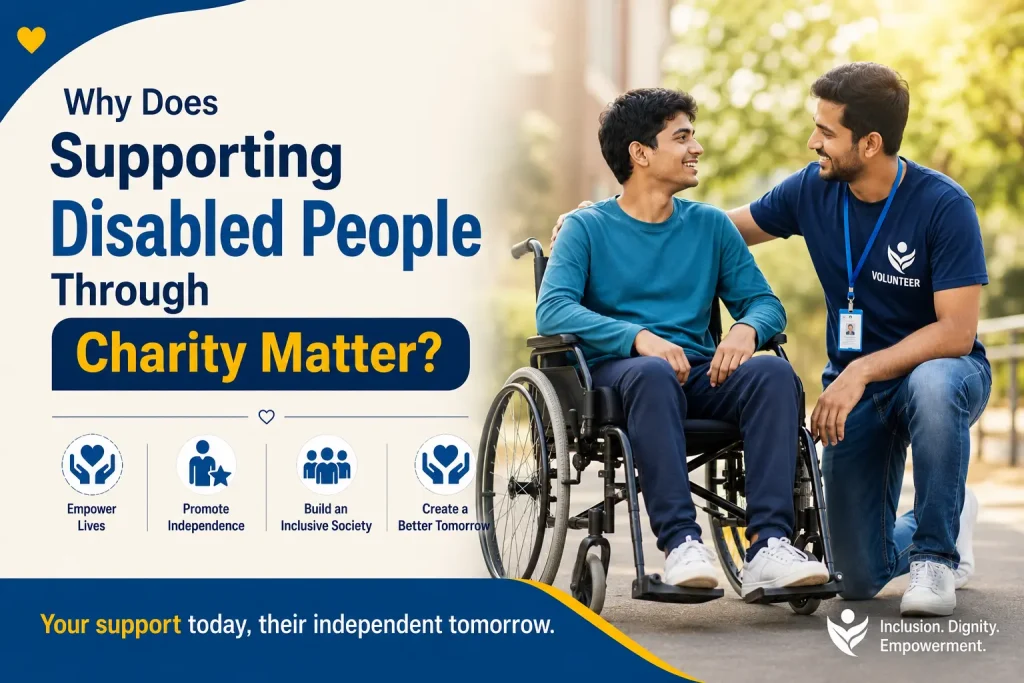
Disability is a quiet kind of suffering that never makes noise. It lives in the homes of families who can’t afford disability treatment or a wheelchair. It’s in the eyes of children watching their friends go to school. It’s in the hands of men who used to build homes but can no longer hold a tool. Supporting people with disabilities through charity does not solve all problems. But it gives people back the one thing they lost: a chance.
There are more than 2.5 million people with disabilities in India. These can be physical, intellectual or developmental. That’s a number so large it can lose its importance until you meet even one family living with it.
And here’s the uncomfortable truth: Most of India still isn’t built for them. Visit any metro city. Find a footpath with a ramp. Look for a bus that wheelchair users can board. Also, look for a school that doesn’t see a disabled child as “too much work.” It’s not common. In larger cities, accessibility is often ignored. It’s rarely a main design principle.
Today, many see disability as charity instead of rights. They believe people with disabilities should be thankful for help. They think these individuals shouldn’t ask for rights or equal chances. But this mindset is the main barrier to their progress.
Government schemes exist on paper, but everyone who has tried to access them knows the gap between “on paper” and “in practice” is a different story. This is where NGOs quietly do the heavy and real work, without much credit.
They run physiotherapy centres where kids with after-surgery learn to sit, stand, and eventually walk. They teach speech therapy sessions to children who have never spoken a word. They train youngsters in sewing, computer skills, mobile repair skills, and other handicraft skills. To teach these skills has only one goal: to make people’s lives better and help them become self-reliant.
What people don’t often see is the support NGOs give to families, too. Showing a mother the right way to take care of her child correctly while having a disability. Teaching a father how to talk to his own son without frustration leaking into his voice. That kind of thing changes a household more than any single therapy session does.
Nobody really talks about what a disability issue does to a family. A mother care his child day and night. A father does extra work just to pay for therapy or surgery. An older sibling grows up faster than they should, leaning to help out before they even understand why.
But when charity steps in with free therapy, free surgery and free wheelchair or limb. It gives hope to families. Now they will never face shame and will not feel left out in society. They get equal opportunities in society to live a better life.
Long-term benefits of charitable support
The value of this kind of help doesn’t show up right away. A child who gets surgery early might be going to school regularly after being fully treated. A disabled woman learning skills like handicrafts, sewing, and computer skills might be working somewhere and running her own small shop, supporting her family financially, paying bills for everything and living a life with dignity. Families who once came over the condition often end up becoming the loudest advocates for other families going through the same thing.
Ask any disabled person in India what an average day looks like, and see themselves from another perspective, making them exhausted.
Having a disability, reaching the hospital becomes a task and trying to physically get inside the building once you are there. Being spoken over in the shop, as if the disability somehow affects hearing, too. Sitting through a job interview where the interviewer’s eyes keep watching the wheelchair makes one feel deficient as a reason for their struggles. Not having school for disabled children and other schools saying we will see instead of a straight yes, which always means no.
It is not one big moment that breaks a person. It is the small things, day after day, that slowly take everything out of them. Which is exactly why ongoing support matters so much more than a one-time donation ever could.
There are many ways to support disabled individuals. It’s funding surgeries, wheelchairs, hearing aids and prosthetics that a family could never afford alone. It’s running schools for the specially abled or training regular teachers to actually include disabled kids in their classrooms instead of sidelining them.
The programme teaches skills such as sewing, IT, and handicrafts. These skills can lead to earnings in the future.
There’s a woman I heard about who lost one leg in an accident. She could have easily shut herself away at home, and for a while she nearly did. A family member knows about Narayan Seva Sansthan NGO, which provides limbs to people with disabilities. Then she came to an NGO, got her limb, and today she is walking freely and supporting her family. Nobody knows her and writes an article about her. There was no ceremony. But her life changed completely, and so did the lives of everyone depending on her.
There are many stories that happen like this far more often than people realise. They just don’t get told, because they don’t fit into a news cycle. They are happening quietly in rehabilitation centres and training rooms across the country, every single day.
You don’t need to start an NGO or write a huge check. A small monthly donation or one-time donation to an organisation you trust can fund a month of therapy for a child. An afternoon spent volunteering -teaching, mentoring, just showing up matters more than people think.
Buying handmade products from artisans with disabilities helps them. If you spot a building, bus, or workplace that’s not accessible, say something. Your feedback can spark changes, even if it takes a while. Open discussions about disability can lower stigma more than any campaign.
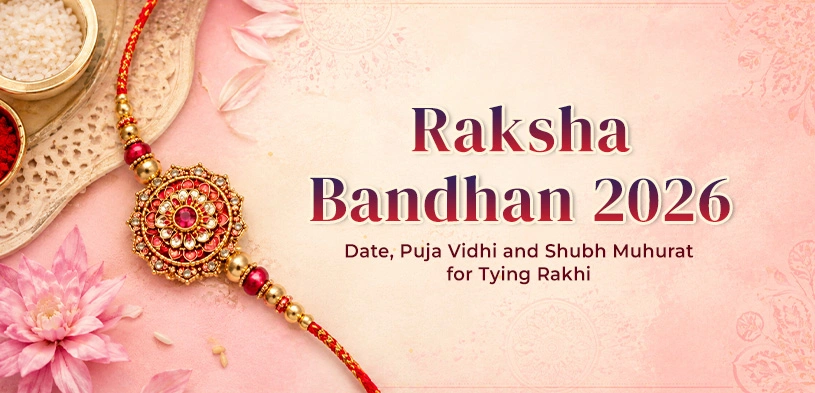
Raksha Bandhan is one such sacred festival. Celebrated on the full moon day of the holy Shravan Mass, this festival symbolizes the love, trust, and mutual devotion between brothers and sisters.
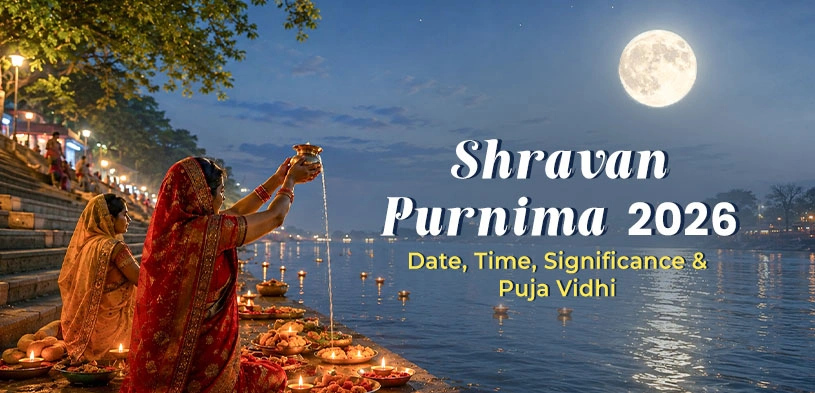
Shravan Purnima, which marks the conclusion of this sacred month, is a special festival that brings together devotion, faith, family love, and the spirit of service. On this day, worshipping Lord Shiva and Goddess Parvati is considered especially significant.
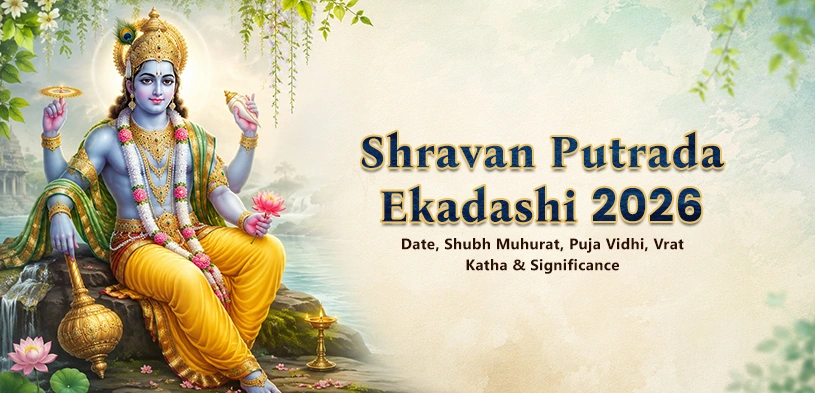
In Sanatan Dharma, Ekadashi Tithi is considered highly sacred for worshipping Lord Vishnu. Each of the Ekadashis observed throughout the year has its own religious significance. However, Putrada Ekadashi, which falls during the Shukla Paksha of Shravan Maas