- +91-7023509999
- 0294-6622222
- info@narayanseva.org
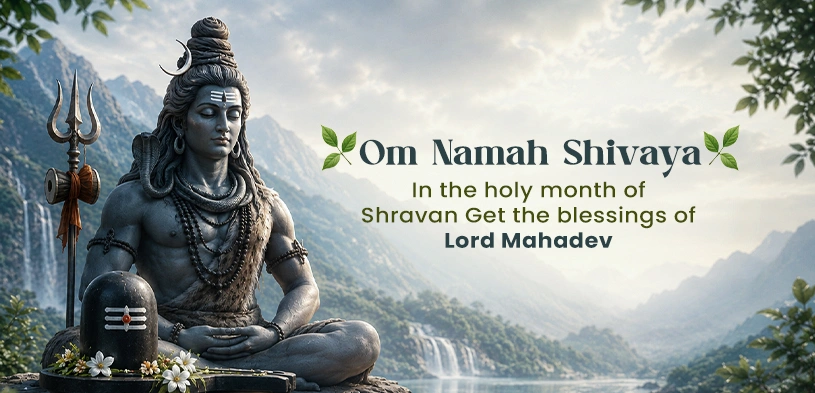
Shravan Maas is that sacred period of spiritual awakening when both nature and consciousness become immersed in the devotion of Lord Shiva. The greenery all around, the gentle showers of rain, and the chants of “Har Har Mahadev” filling the atmosphere signal that this is the time to connect with God through sadhana, self-restraint, and service.
This month turns a person’s focus from the outer world to the inner journey. Mind, speech, and actions all begin to become filled with Shiva. Devotion in Sawan is not limited to rituals alone; it becomes a medium to purify and give meaning to every aspect of life.
According to the Hindu Panchang, in 2026, the month of Shravan (Sawan) will begin on Thursday, 30 July and end on Friday, 28 August. During this period, four Mondays fall in Sawan:
Shravan Maas is associated with the divine event during the Samudra Manthan when Lord Shiva drank the deadly Halahala poison to save the entire creation. This supreme example of sacrifice, compassion, and welfare of the world is why He is called Neelkanth, and since then, this month has been considered especially sacred for His worship.
Lord Shiva is known as Bholenath because He is easily pleased. In Sawan, there is no need for grand rituals or shows. Offering just a pot of water, a few Belpatra, and chanting “Om Namah Shivaya” with a pure heart is enough to please Him.
Waking up in Brahma Muhurta, taking a bath, wearing clean clothes, and offering water to the Shivling- this simple act itself becomes a medium for deep spiritual experience. When a devotee offers his emotions along with the water during Jalabhishek, his mind becomes light and pure.
In the Sanatan tradition, the rituals of Jalabhishek, Rudrabhishek and the creation of a Parthiva Shivling hold special significance during the month of Sawan. The ritual bathing performed using water, milk, curd, honey, and ghee serves as a divine medium to offer one’s reverence and devotion to Lord Shiva through the five elements.
Meanwhile, Rudrabhishek is considered one of the most potent Vedic rituals for pleasing Lord Shiva. Performed with the chanting of the Rudra Sukta and Vedic mantras, Rudrabhishek dispels suffering and negative energy from the devotee’s life, paving the way for happiness, peace, and prosperity.
The creation of a Parthiva Shivling during Sawan also holds immense religious importance. According to the scriptures, Lord Bholenath is quickly pleased when a Shivling is crafted from earth with devotion and subsequently worshipped and ritually bathed. This spiritual practice is regarded as an excellent means for the fulfillment of desires, the eradication of sins, and spiritual advancement.
Highlighting the significance of the Parthiva Shivling, the Shiva Purana states:
Parthivapratimāpūjāvidhānaṃ brūhi sattama |
Yena pūjāvidhānena sarvābhiṣṭamavāpyate ||
This means that the worship of an earthen Shivling fulfills all the devotee’s desires and brings immediate relief from life’s sorrows.
Follow these steps for Lord Shiva’s worship during Shravan:
Kanwar Yatra In many states, Shiva devotees undertake the Kanwar Yatra. They fill holy river water in Kanwars and carry it on foot to offer on Shivling in their local temples. During the journey, Kanwariyas follow a sattvic lifestyle, never place the Kanwar on the ground, and mostly travel barefoot, wearing saffron clothes.
Giving donations in Shravan Maas is considered one of the holiest acts. According to Shiva Purana, charity done in this holy month yields hundredfold results—bringing happiness, prosperity, marital bliss, and Lord Shiva’s blessings. Anna Daan, donating Rudraksha, silver snakes, milk, and lamps is especially powerful for destroying sins and attaining moksha.
Lord Shiva’s form is vast and all-pervading. He resides not only in temples but in every needy and helpless person. Therefore, helping the poor, needy, suffering, or specially abled during Sawan is directly offered to Lord Shiva.
If we can bring a smile to someone’s face, feed the hungry, or reduce someone’s pain in Sawan, that becomes our greatest sadhana.
Sawan is a spiritual festival that gives new direction to life. It teaches us that true devotion is not limited to temples alone but should be reflected in our behavior, thoughts, and actions.
In this holy month, worship Lord Shiva with devotion, service, and surrender, and illuminate your life with happiness, peace, and spiritual energy.
Har Har Mahadev!
Q. Is it necessary to fast on every Shravan Somwar?
A. No, it is not mandatory to observe a fast on every Shravan Somwar. Devotees may keep all four Monday fasts or observe even one with complete faith and devotion. Lord Shiva values sincerity of heart more than the number of fasts observed.
Q. Can Lord Shiva be worshipped at home during Shravan Maas?
A. Yes. Lord Shiva can be worshipped at home by offering Gangajal, Belpatra, flowers, and fruits to a Shivling while chanting “Om Namah Shivaya” or the Mahamrityunjaya Mantra. Devotion and purity of intention are considered more important than elaborate rituals.
Q. Why is Belpatra offered to Lord Shiva?
A. Belpatra (Bilva leaves) is one of Lord Shiva’s most sacred offerings. According to Hindu scriptures, the three leaflets of Belpatra symbolize the three eyes of Lord Shiva, the three Gunas, and the Trimurti. Offering fresh, unbroken Bilva leaves during Shravan is believed to please Lord Shiva and invite His blessings.
Q. Which mantra should be chanted during Shravan Maas?
A. The most widely chanted mantra during Shravan Maas is “Om Namah Shivaya.” Devotees also recite the Mahamrityunjaya Mantra, Shiva Chalisa, Rudrashtakam, and Shiva Ashtakam to seek peace, strength, and divine grace.
Q. Can devotees visit any Shiva temple during Shravan Maas?
A. Yes. Devotees may visit any Shiva temple during Shravan Maas to perform Jalabhishek, offer prayers, and participate in special pujas. Visiting a temple on Mondays is considered especially auspicious, although worship can be performed on any day of the month.
Q. Why is Shravan Maas considered ideal for spiritual growth?
A. Shravan Maas encourages devotees to practice self-discipline, meditation, mantra chanting, charity, and selfless service. These spiritual practices help cultivate inner peace, strengthen devotion, and promote a deeper connection with Lord Shiva.
Q. What is the spiritual significance of Jalabhishek?
A. Jalabhishek symbolizes surrender, purification, and gratitude. Offering water to the Shivling represents the devotee’s prayer for peace, wisdom, and freedom from negativity. It is one of the simplest yet most sacred forms of worship during Shravan Maas.
Q. How can devotees observe Shravan Maas if they are unable to visit a temple?
A. Those who cannot visit a temple can worship Lord Shiva at home by lighting a lamp, chanting Shiva mantras, reading sacred texts such as the Shiva Purana or Shiva Chalisa, performing simple prayers, and engaging in charitable acts. Devotion practiced with sincerity is considered equally meaningful.
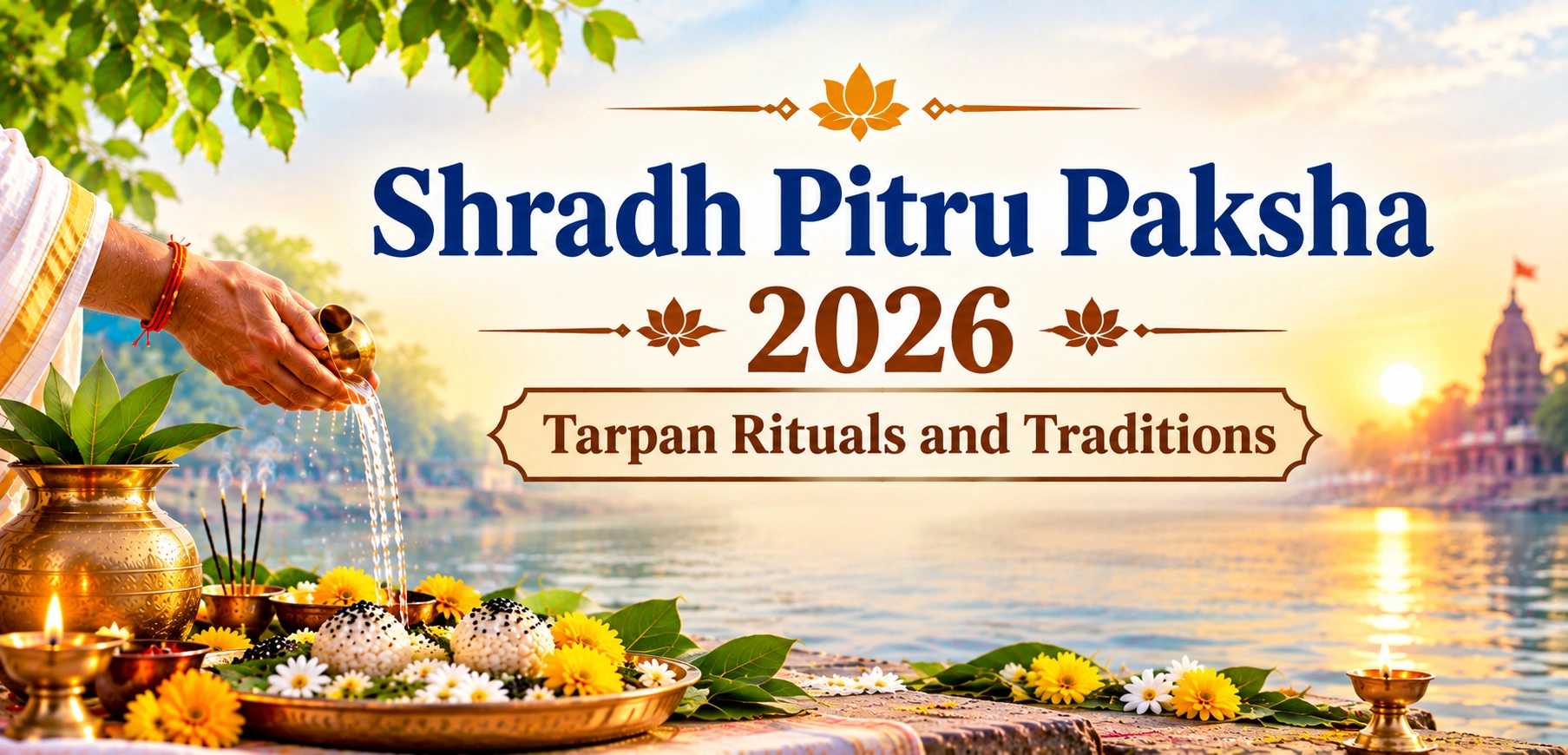
In the year 2026, Shradh Paksha (Pitru Paksha) will begin on 26 September 2026 and end on 10 October 2026 with Sarva Pitru Amavasya. During this sacred period, followers of Sanatan Dharma can perform Shradh, Tarpan and other rituals for their ancestors according to the respective tithi.
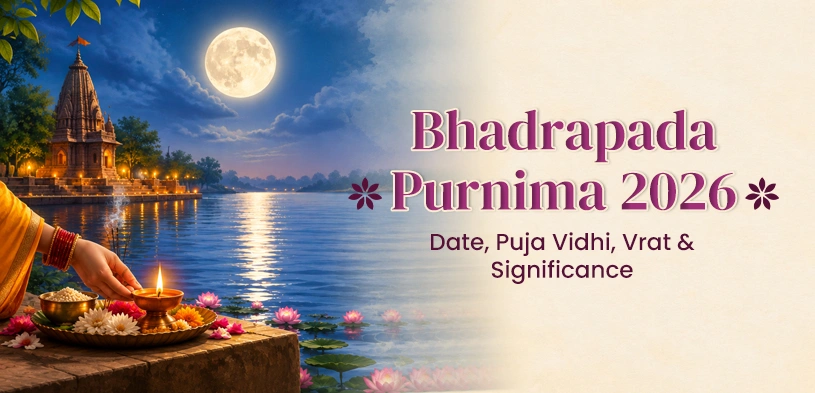
Bhadrapada Purnima 2026 falls on September 26. Discover its date, puja vidhi, vrat, Satyanarayan worship, Chandra Dev prayers, and the spiritual significance of charity and service.
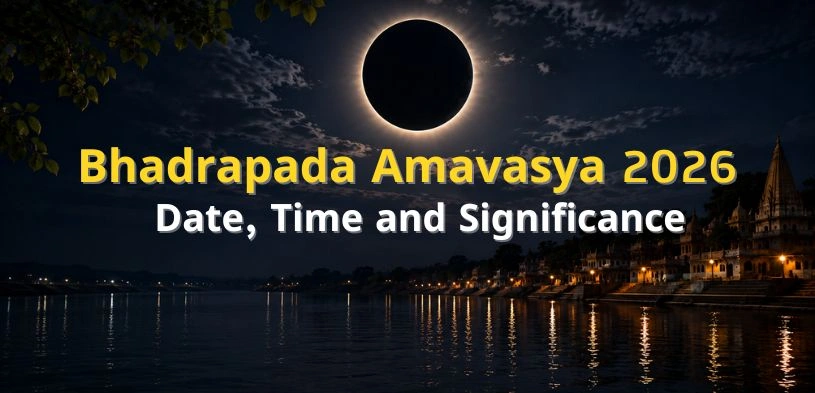
Bhadrapada Amavasya holds special spiritual significance in the Hindu Panchang. This sacred day is considered highly auspicious for self-reflection, remembering ancestors, offering Tarpan, taking a holy bath, and performing charity.