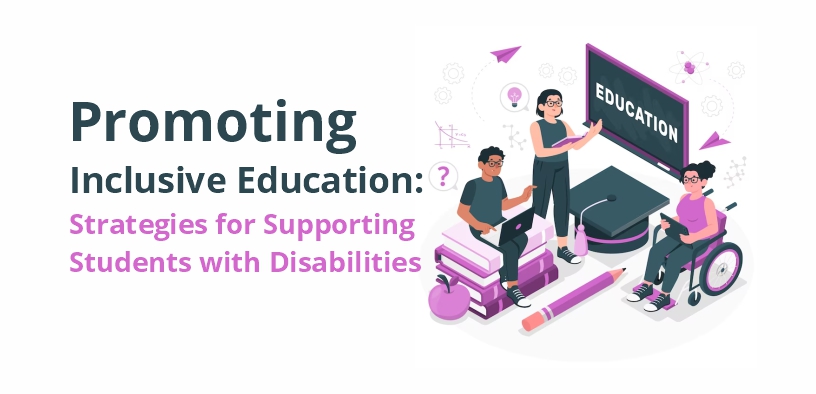
Promoting inclusive education is key to creating a supportive environment for students with disabilities. By using effective strategies, educators can ensure that all students have equal access to learning and opportunities for success.
Individualized Education Plans (IEPs) are vital. They:
Working together is essential. Teachers, support staff, and parents should:
Creating an accessible learning environment includes:
NGOs play an important role in promoting social causes. Their success depends on well-planned strategies. Here are the top five approaches:
NGOs run campaigns to raise awareness and influence public opinion. Methods include:
NGOs often work with organizations, government agencies, businesses, and community groups to:
By adopting these strategies, educators can empower students with disabilities to reach their full potential.
Financial resources allow NGOs to achieve their goals. Strategies include:
Training strengthens staff and volunteers. Benefits include:
NGOs use data to guide their work. They:
Narayan Seva Sansthan is an example of an NGO making a difference. It provides medical care, rehabilitation, and educational support for individuals with disabilities. Initiatives include free surgeries and skill development programs. Their work empowers individuals to live independent, fulfilling lives.
NGOs address social, environmental, and humanitarian issues. They:
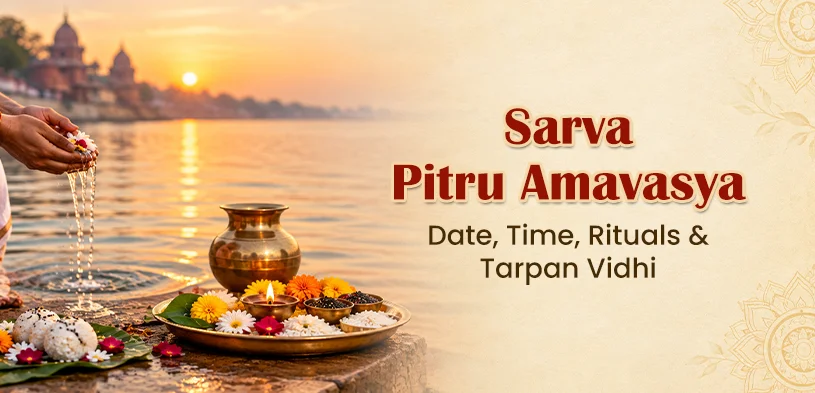
The last day of Pitru Paksha is known as Sarva Pitru Amavasya. This Amavasya is considered especially significant for remembering all known and unknown ancestors whose Shradh date may not be known or whose Shradh could not be performed on the prescribed tithi for some reason.

Indira Ekadashi, which falls during the Krishna Paksha of the Ashwin month, is one such meritorious tithi. As it occurs during Pitru Paksha, this day is specially associated with the worship of Lord Vishnu along with feelings of reverence and righteous deeds.
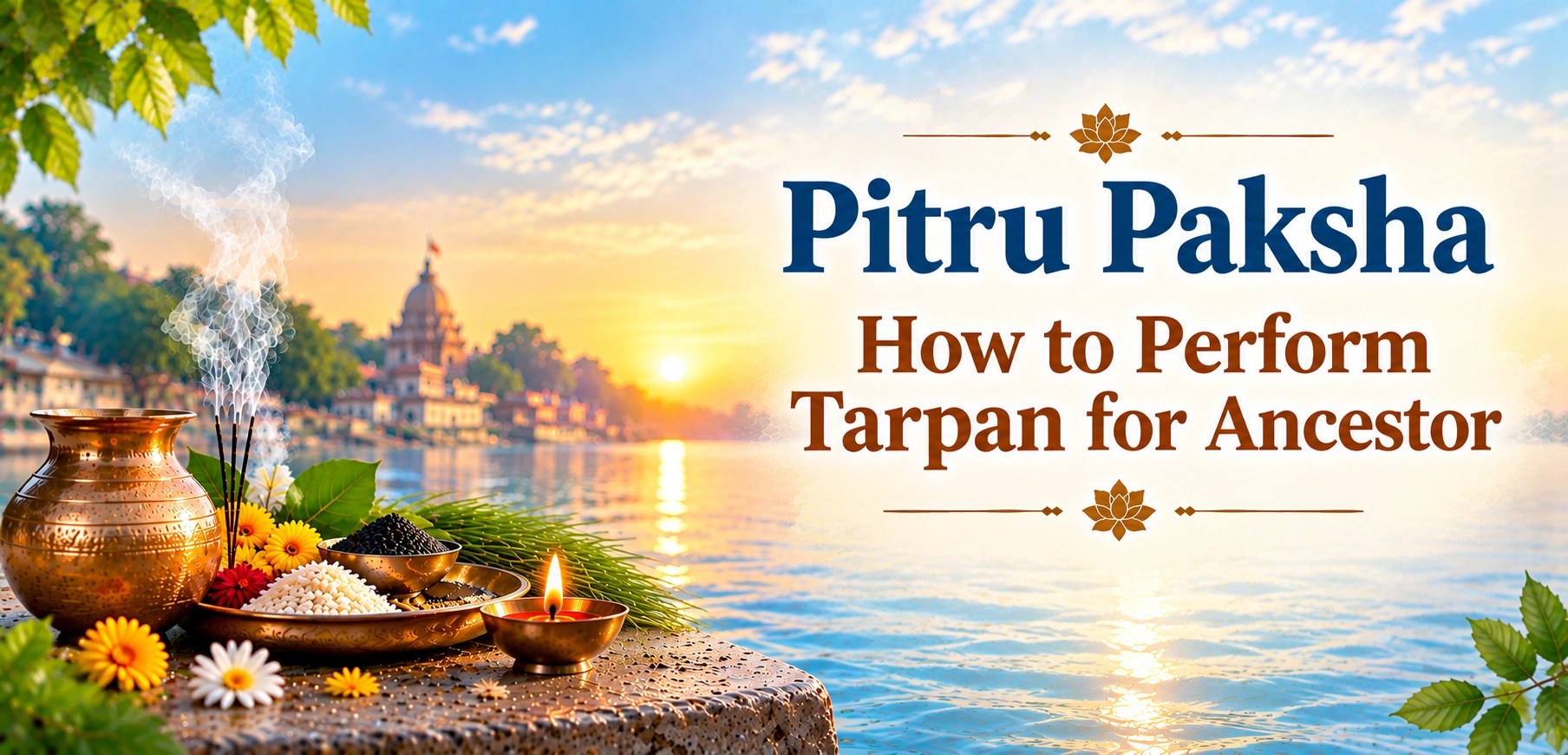
Our ancestors laid the foundation of the family through their lives, austerities, values, and good deeds. Pitru Paksha is the sacred opportunity to express reverence and gratitude towards them.