- +91-7023509999
- 0294-6622222
- info@narayanseva.org
In India, walk through any city or town today, and you’ll see someone with an NGO. It might be a child who has got free books or a volunteer teaching children in slums to read. This is the quiet rise of NGOs in India, organizations built not on profit but on purpose.
India’s non-profit sector has grown into one of the largest in the world, with several million registered NGOs. But size alone does not make an NGO matter. What matters is consistency, and trust. Over the decades, a few NGOs have gained the trust of donors. They’ve built strong reputations. People know their names, donors trust them with funds, and governments work with them.
This rise came from decades of fieldwork, founders who gave up comfortable careers to serve the poor, and communities that slowly learned to trust outsiders carrying medicine, books, or a wheelchair. In this blog, we will know what makes an NGO famous in India, go through a list of NGOs that have earned that recognition, and take a closer look at one in particular, Narayan Seva Sansthan, known for its work in disability rehabilitation.
Does fame make a NGO famous in India? And the answer is no.
That’s Not correct, The NGO field in not the film industry, where fame makes them famous. Then what makes them famous ? Here is the list :-
India’s NGO sector covers nearly every cause imaginable, hunger, education, disability, child rights and more. Here is a quick list of NGOs in India recognised across different fields.
Narayan Seva Sansthan, was founded in Udaipur, Rajasthan, in 1985 by kailash Chandra Agarwal, widely known as kailash Manav, before turning to social work, he held a government job in the department of post and telegraphs. The organization’s own story of its origin is one of humility, beginning with little more than a determination to feed patients and attendants at a government hospital free of cost.
Forty years later, that small start has grown. Now, it’s one of India’s biggest disability rehab networks. It has hundreds of branches in India and abroad. Now, it helps communities in the US, UK, and Canada.
The Narayan Seva Sansthan has hospitals in Udaipur. They do corrective surgeries. They provide physiotherapy too. Their focus is on people with physical disabilities. This includes those with clubfoot and CP deformities.
What makes NSS different in a crowded field is its narrow, strong focus. Many NGOs spread across several causes : NSS has built its identity in restoring mobility and dignity to people with disabilities, especially those from poor families who could never afford surgery or an artificial limb.
In the last 40 years, Narayan Seva Sansthan has performed hundreds of free corrective surgeries, distributed thousands of prosthetic limbs and wheelchairs, and organised the 46th mass wedding for differently abled couples. Its founder, Kailash “Manav” received the Padam Shri, one of India’s highest civilian awards, for his decades of social work.
Narayan Seva Sansthan now expands hundreds of branches across India and abroad. Its udaipur campus brings surgery , physiotherapy, prosthetics, education and vocational training together under one roof, treating rehabilitation as a complete journey rather than a single intervention.
Step back from any single organisation and the collective impact of India’s famous NGOs becomes clear. Organizations like Narayan Seva Sansthan help the differently abled. They can walk again, start fresh lives, and find work. This support often brings them back from the margins of their own families. Millions of children eat a hot meal at school because of foundations like Akshaya patra. Many children go to school or improve their learning because of groups like Pratham and CRY. Elderly citizens in remote villages get basic care and medical support by helpAge India.
This impact is important. It is not just charitable. Many NGOs work alongside government programmes, filling gaps in reach and that large areas often struggle with. They also build a culture of giving among ordinary citizens, not just the wealthy, shifting public conversation toward greater accountability for the social problems they tackle.
Famous NGOs in India did not become well known by fame and marketing. They built their reputation through years of hard work. They treated patients in remote villages. They gave meals to school children. They helped differently abled individuals stand on their own for the first time. It builds trust, and trust helps the organisation grow its impact. This proves that their promises lead to real change.
Organisations like Narayan Seva Sansthan show the power of long-term commitment. In the past forty years, they have achieved much. Apart from achievements, India faces big challenges in healthcare, education, and social equity. Trusted NGOs are becoming more important everyday. They prove that ordinary people can unite. Together, they can tackle issues that might go unnoticed.
Narayan Seva Sansthan is one of the biggest ngo. They help people with disabilities.
Success is calculated by lasting consistency and clear impact. Many NGOs like Akshaya Patra, Pratham, and Narayan Seva Sansthan are successful. They have created a strong impact and reach in their areas.
National honours for founders raise public awareness. This happens through hard work and clear finances. Measurable results also help. Government partnerships and media coverage matter too. Word of mouth from those they’ve helped is important.
“`
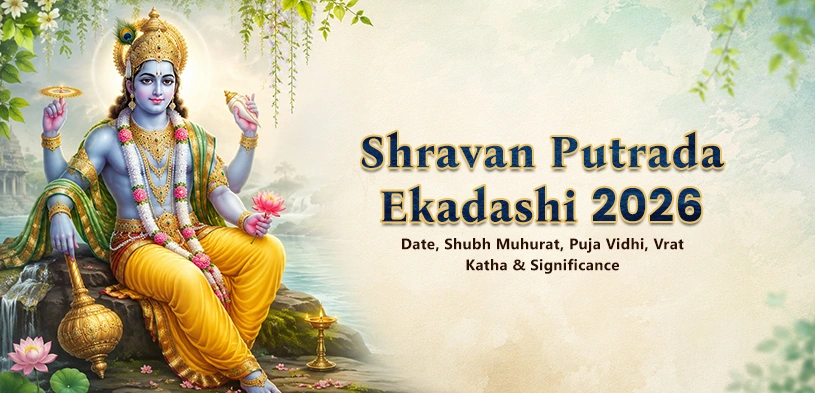
In Sanatan Dharma, Ekadashi Tithi is considered highly sacred for worshipping Lord Vishnu. Each of the Ekadashis observed throughout the year has its own religious significance. However, Putrada Ekadashi, which falls during the Shukla Paksha of Shravan Maas
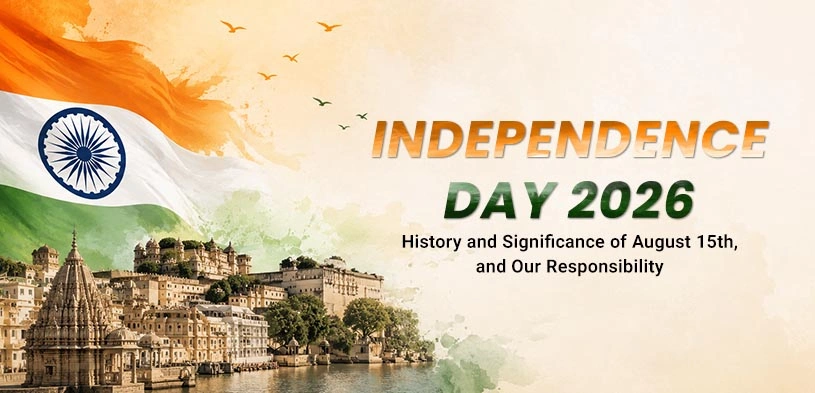
Every year, as August 15th approaches, the atmosphere across the nation becomes imbued with the spirit of patriotism. The Tricolour is hoisted in schools and offices, the National Anthem resonates, patriotic songs fill the air, and children smile with pride while holding small flags.

The second and final solar eclipse of 2026 brings with it just such a significant occasion. This solar eclipse will occur on the night of August 12. Notably, it coincides with Hariyali Amavasya.