- +91-7023509999
- 0294-6622222
- info@narayanseva.org
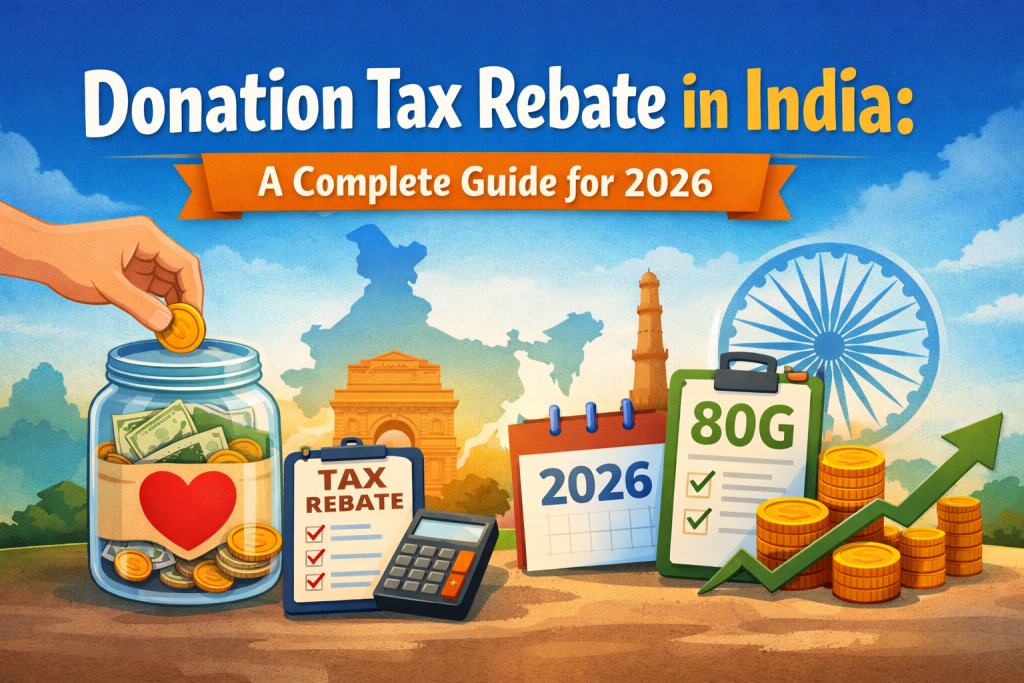
Every year, as the financial year comes to an end, most of us start looking for ways to save tax. We invest in policies, explore deductions, and rush to submit proofs. But what many people still don’t fully use is a powerful tool to both save tax and support good causes: donations eligible for tax rebate.
What if saving tax didn’t just benefit you, but also changed someone’s life? That’s exactly what donation tax rebates offer. In this guide, we’ll break down everything you need to know about donation tax rebates in India for 2026—simply, clearly, and without unnecessary jargon.
If you have ever wondered, if I donate to an NGO, can I save tax? Or what is Section 80G exactly? This guide is for you.
A donation tax rebate is a tax benefit you get when you donate to certain approved organisations. Donations can be deducted from your taxable income. This rule applies to NGOs, trusts, and government funds recognized under Indian tax law.
Besides helping someone in need, you also reduce your tax liability in a legitimate way.
Donation Tax Rebate: Suppose your taxable income is ₹7,00,000 and you donate ₹20,000 to an NGO eligible under Section 80G.
You can deduct part or all of that ₹20,000 from your taxable income, depending on whether the NGO offers a 50% or 100% deduction.
India has thousands of NGOs and charitable trusts working in areas like:
The government encourages donations by offering tax benefits. This creates a win-win situation—you help society and save tax.
Donation tax rebates are governed by the Income Tax Act, 1961. The key section is Section 80G, which defines:
Only donations to approved organizations qualify. Without 80G registration, no tax benefit is allowed.
Section 80G allows taxpayers to claim deductions on donations made to eligible NGOs, funds, and institutions. It promotes charitable giving by offering donation tax rebate.
Donations under Section 80G fall into categories:
If you donate ₹10,000:
This reduces taxable income—not direct cash return.
The following can claim deductions:
Only NGOs with valid 80G registration qualify. Always verify:
Digital payments ensure transparency and full eligibility.
Always keep receipts safely for tax filing.
More focus on transparency and digital verification of NGOs. Donors can now easily verify 80G status online.
80G-certified NGOs ensure:
Donation Tax Rebate: Section 80G allows deductions of 50% or 100% on eligible donations, subject to limits. Always donate to verified NGO and use digital payment methods.
Donations create real impact—supporting education, healthcare, and basic needs. At the same time, you benefit from tax savings.
You are not just filing a tax return—you are contributing to society.
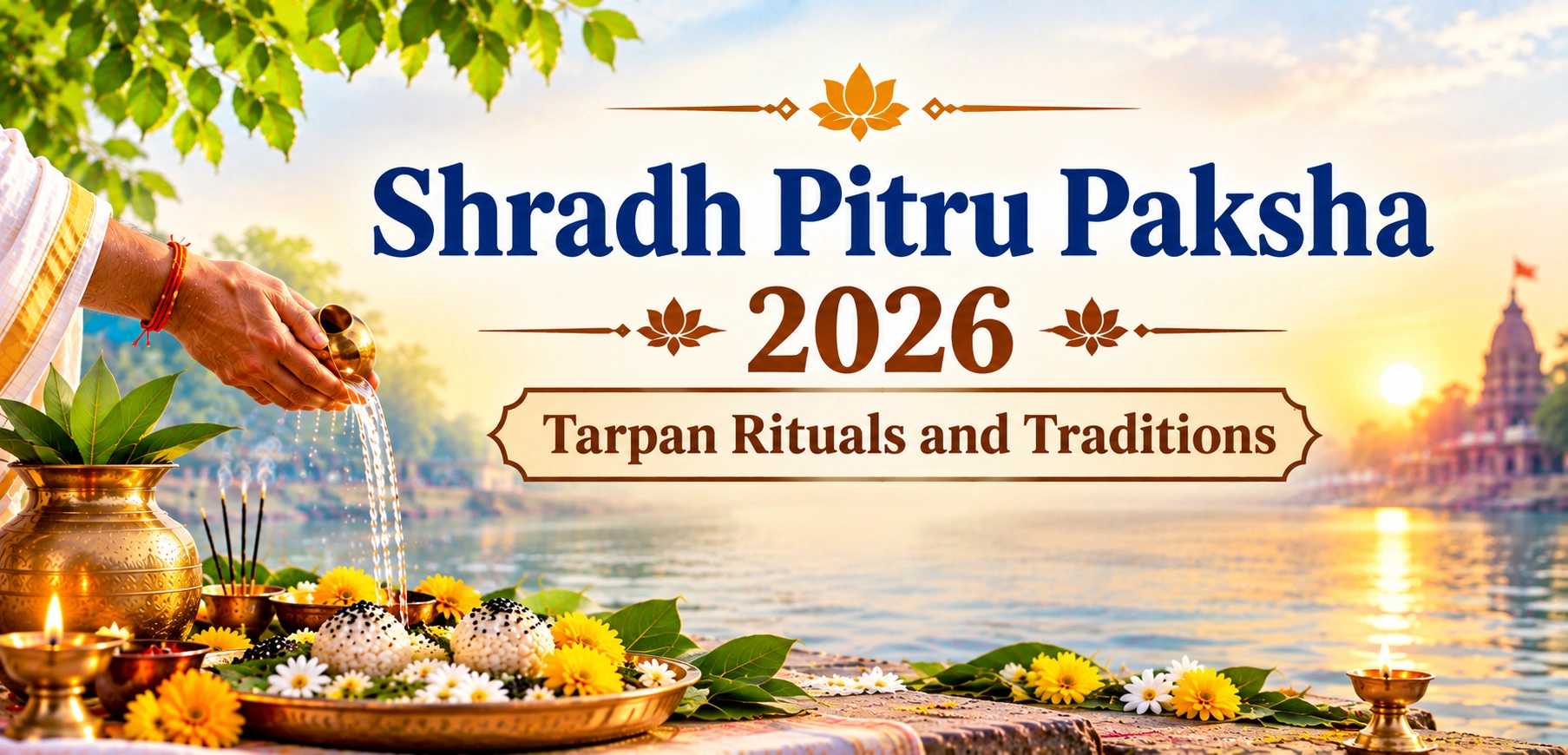
In the year 2026, Shradh Paksha (Pitru Paksha) will begin on 26 September 2026 and end on 10 October 2026 with Sarva Pitru Amavasya. During this sacred period, followers of Sanatan Dharma can perform Shradh, Tarpan and other rituals for their ancestors according to the respective tithi.

Bhadrapada Purnima 2026 falls on September 26. Discover its date, puja vidhi, vrat, Satyanarayan worship, Chandra Dev prayers, and the spiritual significance of charity and service.

Bhadrapada Amavasya holds special spiritual significance in the Hindu Panchang. This sacred day is considered highly auspicious for self-reflection, remembering ancestors, offering Tarpan, taking a holy bath, and performing charity.