- +91-7023509999
- 0294-6622222
- info@narayanseva.org
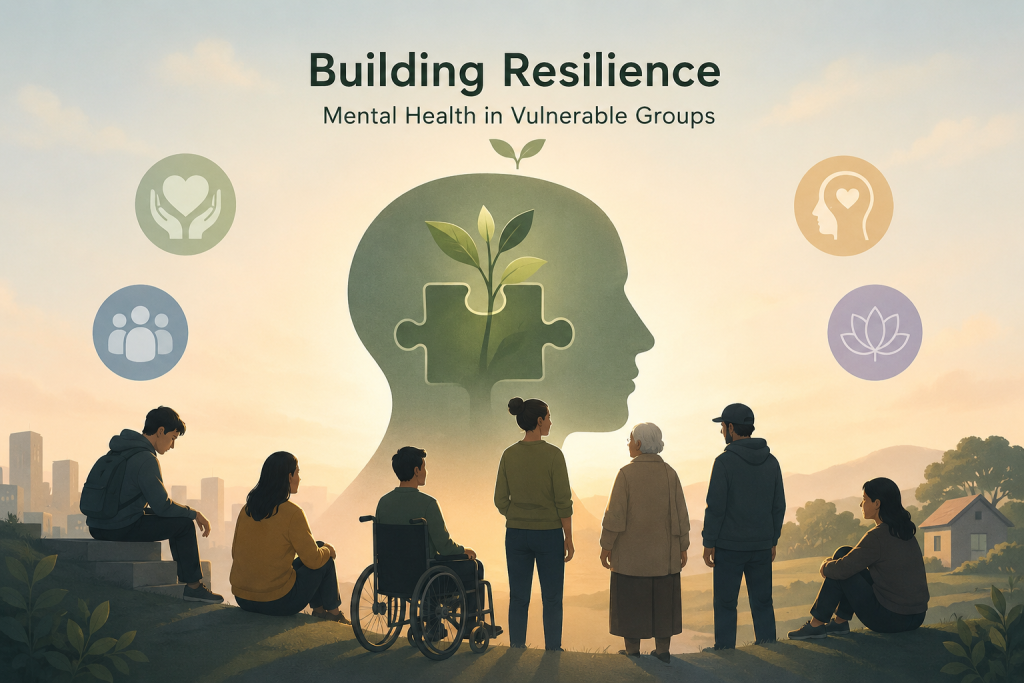
Mental health is an essential part of overall well-being. However, many vulnerable groups in India face serious mental health challenges.
These challenges are often caused by poverty, discrimination, limited healthcare access, and social stigma.
To address this growing concern, organizations like Narayan Seva Sansthan play an important role in supporting mental well-being and building resilience.
India has a population of over 1.3 billion people. Mental health issues affect a large number of individuals across the country.
Several factors contribute to these challenges, especially among vulnerable populations.
Mental health is still considered a taboo topic in many parts of India.
Low awareness also delays diagnosis and treatment, making conditions worse over time.
Depression and anxiety are among the most common mental health conditions in India.
Cultural pressure often leads to underreporting and limited access to care.
India continues to face high suicide rates linked to untreated mental health issues.
A shortage of mental health professionals and affordable services increases the risk.
Rural regions face unique challenges due to limited resources.
Poverty, illiteracy, and traditional beliefs further restrict treatment access.
Urban living has introduced new mental health concerns.
These factors can lead to burnout, substance abuse, and emotional distress.
Certain groups face higher mental health risks and fewer support options.
Discrimination, violence, and lack of social support increase vulnerability.
Improving mental health in India requires coordinated efforts at multiple levels.
Early education helps reduce fear and misunderstanding.
Open conversations help normalize mental health discussions.
Healthcare workers should be trained to identify mental health issues early.
Combining mental health services with primary
healthcare improves early diagnosis.
This approach is especially effective in underserved rural regions.
Strong data helps improve planning and resource allocation.
Collaboration between governments, NGOs, and healthcare providers is vital.
Narayan Seva Sansthan contributes to healthcare support in India, including mental well-being.
The organization addresses mental health needs that often coexist with physical disabilities.
Mental health challenges among vulnerable populations in India require urgent attention.
Awareness, education, accessible care, and policy reforms are key solutions.
With continued collaboration and support from organizations like Narayan Seva Sansthan, India can build a healthier and more inclusive society.

Bhadrapada Amavasya holds special spiritual significance in the Hindu Panchang. This sacred day is considered highly auspicious for self-reflection, remembering ancestors, offering Tarpan, taking a holy bath, and performing charity.
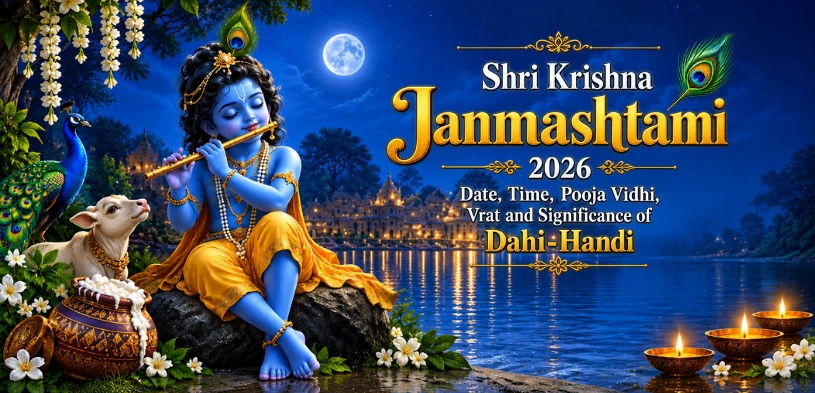
Shri Krishna Janmashtami is celebrated as the birth festival of Lord Shri Krishna. It is also known as Shri Krishna Janmotsav and Gokulashtami. On this day, special prayers, bhajans, kirtans, and religious ceremonies are organized at Krishna temples across the country, including Mathura, Vrindavan, Gokul, and Dwarka.
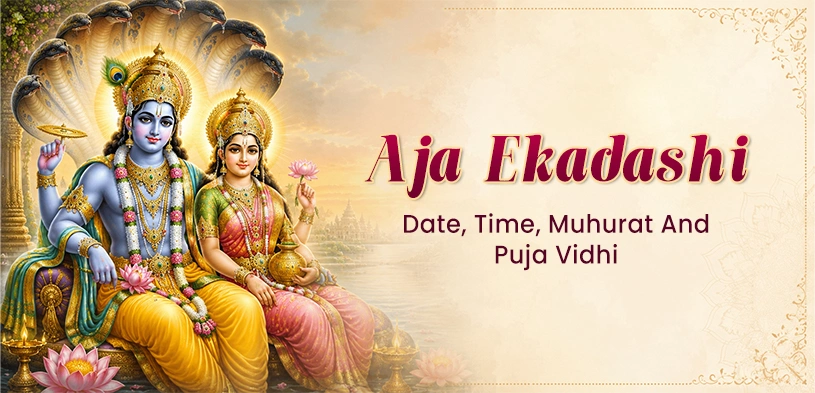
In Sanatan Dharma, Ekadashi Tithi is considered highly sacred for worshipping Lord Vishnu. Each Ekadashi observed throughout the year has its own religious significance. The Ekadashi that falls during the Krishna Paksha of the Bhadrapada month is known as Aja Ekadashi.