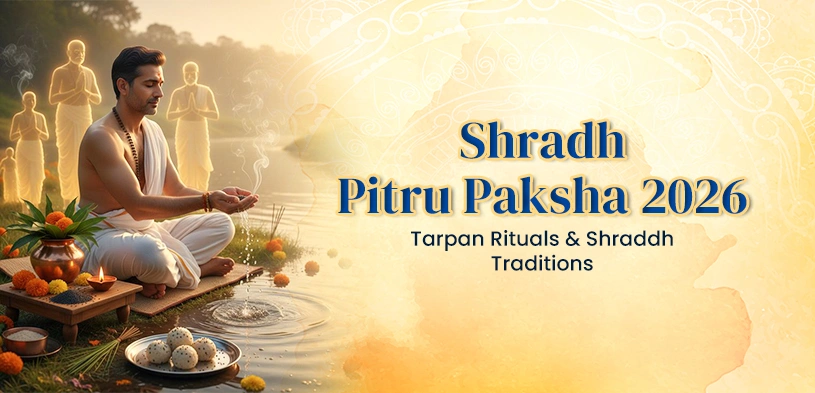
“Shradh comes from the Sanskrit word ‘Shraddha,’ meaning faith or devotion.” Shradh Paksha has special importance in the traditions of Sanatan Dharma. This Pitru Paksha is the time to remember and satisfy our ancestors, whose sacrifice, penance and rituals have given us this life.
They may have left this mortal body and gone to the subtle world, but their memory, their rituals and their debt remain with us throughout our lives. It, also called Pitru Paksha or Mahalaya, is a divine opportunity to repay that debt with devotion and dedication.
Performing Shradh of ancestors started from the Vedic period. It has been mentioned in many texts of Sanatan Dharma, among which Brahma, Vishnu, Vayu, Varaha and Matsya Purana are prominent. Mentioning in Brahma Purana, it has been said, “Whatever is given to Brahmins with devotion by targeting ancestors in the proper way according to the appropriate time, person, and place is called Shradh.”
This post explores what is Shradh , its type, who should perform it, where it should be conducted, the significance of holy places like Gaya, and essential guidelines for rituals, food, and activities to avoid during this sacred period.
In 2026, Bhadrapada Purnima Shradh will be observed on 26 September 2026, followed by the beginning of Pitru Paksha with Pratipada Shraddha on 27 September 2026. Pitru Paksha will continue until 10 October 2026, concluding with Sarva Pitru Amavasya. During this sacred period, followers of Sanatan Dharma can perform Shradh and other rituals for their ancestors according to the respective tithi.
Those who do not know the exact tithi of their ancestors’ passing can perform Shradh on the auspicious occasion of Sarva Pitru Amavasya, which is considered an important day to honor and remember all ancestors.
| Date (2026) | Day | Shraddha Tithi | Special Observance |
|---|---|---|---|
| September 26 | Saturday | Purnima | For ancestors who passed away on Purnima. |
| September 27 | Sunday | Pratipada | For ancestors who passed away on Pratipada. |
| September 28 | Monday | Dwitiya | For ancestors who passed away on Dwitiya. |
| September 29 | Tuesday | Tritiya | For ancestors who passed away on Tritiya. Maha Bharani is also observed. |
| September 30 | Wednesday | Chaturthi | For ancestors who passed away on Chaturthi. |
| September 30 | Wednesday | Panchami | For ancestors who passed away on Panchami. |
| October 1 | Thursday | Shashthi | For ancestors who passed away on Shashthi. |
| October 2 | Friday | Saptami | For ancestors who passed away on Saptami. |
| October 3 | Saturday | Ashtami | For ancestors who passed away on Ashtami. |
| October 4 | Sunday | Navami | For ancestors who passed away on Navami. |
| October 5 | Monday | Dashami | For ancestors who passed away on Dashami. |
| October 6 | Tuesday | Ekadashi | For ancestors who passed away on Ekadashi. |
| October 7 | Wednesday | Dwadashi | For ancestors who passed away on Dwadashi. Magha Shradh is also observed. |
| October 8 | Thursday | Trayodashi | For ancestors who passed away on Trayodashi. |
| October 9 | Friday | Chaturdashi | For ancestors who passed away on Chaturdashi. |
| October 10 | Saturday | Sarva Pitru Amavasya | Final day of Pitru Paksha; especially significant for ancestors whose exact death tithi is unknown. |
According to the scriptures, Vasu, Rudra, and Aditya are regarded as representatives of the ancestors in Shradh rituals. A person performs Shraddh for their father, grandfather, and great-grandfather, and these three divine forms are believed to carry the offerings to all ancestors.
It is believed that during Shraddh, ancestors come closer to their descendants and accept the Tarpan and offerings made by them. They are believed to become satisfied and bless their descendants, helping maintain happiness, peace, and prosperity within the family.
The ancestors are clearly mentioned in the 15th Sukta of the 10th Mandala of the Rigveda, in the second verse:
Idam pitribhyo namo astvadya ye purvaso ya uparasah iyuh.
Ye parthive rajasyah nishatta ye va nunam suvrijanasu vikshu.
This means that the ancestors who lived in the past, those who reside in the present, and those who will come in the future are all worthy of reverence. This verse expresses respect for all ancestors and honors their presence across generations.
Shradh rituals vary based on the occasion, purpose, and timing. The main types include
Each type serves a unique purpose, ensuring ancestors are honored appropriately based on the context and spiritual needs.
| Shradh | Tarpan | Pind Daan |
|---|---|---|
| A broader ritual performed to honour and remember ancestors through prayers and offerings. | A ritual of offering water, often with sesame, to ancestors as a mark of respect and remembrance. | A specific ritual involving the offering of Pind, traditionally made from rice and other prescribed materials, to ancestors. |
Shradh is primarily performed by the eldest son or male descendant of the deceased, as they are considered the primary bearers of Pitra Rin. However, the scriptures allow flexibility based on circumstances:
The performer must approach the ritual with devotion, purity, and adherence to scriptural guidelines to ensure the offerings reach the ancestors.
Shradh can be performed at various locations, each carrying spiritual significance:
The location should be clean, serene, and conducive to spiritual focus, ensuring the rituals are performed with reverence.
Gaya, in Bihar, is one of the most sacred sites for performing Shradh, particularly for pind daan, due to its spiritual and mythological significance:
Performing Shradh at Gaya is said to absolve Pitra Dosha (ancestral faults) and bring blessings for multiple generations, making it a preferred destination during Pitru Paksha.
Shradh at holy places is considered more fruitful due to their spiritual vibrations and divine connections. These locations amplify the efficacy of offerings, ensuring they reach the ancestors and bring peace to their souls. Key reasons include:
Key Holy Places for Shradh:
These sites are chosen for their spiritual energy and historical significance, making Shradh rituals more impactful.
To ensure Shradh rituals are effective, specific guidelines must be followed:
Adhering to these guidelines ensures the rituals are performed with devotion and respect, maximizing their spiritual benefits.
It is said in the scriptures that a man is born with three types of debts: Dev Rin, Rishi Rin and Pitra Rin. Dev Rin is freed by worshipping the gods and performing Yagna, etc.; Rishi Rin is freed by studying the Vedas and scriptures and respecting the elders, but freedom from Pitra Rin is possible only through Shradh and Tarpan.
“Pitridevo Bhava” It is clearly stated in the Vedas that the ancestors should be considered as gods and should be served and remembered. It is only by the grace of ancestors that we get growth of lineage, happiness of children, longevity, health and prosperity.
When we perform tarpan and donations in the name of ancestors, then the material of the offerings made by us reaches the gods and ancestors through divine means. Along with this ritual, there is direct communication between souls. Garuda Purana says, “Shradh performed with devotion by a son or descendant provides happiness to ancestors in all three worlds, and they become happy and bless.”
The meaning of Shradh is “work done with devotion.” Rituals performed without devotion remain only a formality. Therefore, this Paksha is a means of internal purification, gratitude and spiritual progress for the seekers.
The Mahabharata offers profound legends that underscore the sacred importance of Shradh during Pitru Paksha, a 16-day period dedicated to honoring ancestors. One such tale is of Karna, the generous warrior and son of Kunti and Surya. Renowned for donating gold and wealth, Karna ascended to Swarga after his death, only to find his ancestors starving due to his failure to perform Shradh rituals. Granted 15–16 days by Lord Indra, Karna returned to Earth, offering food, water, and sesame seeds to Brahmins and the needy, thus establishing Pitru Paksha. This legend highlights the necessity of Anna Daan (food donation) for ancestral peace.
Another compelling Mahabharata story is that of Bhishma Pitamaha, the Kuru grandsire, who, after the Kurukshetra war, lay wounded on a bed of arrows. Blessed with the boon to choose his death, Bhishma waited for Pitru Paksha to depart, believing this sacred time would ensure his soul’s smooth transition to Pitriloka and bless his descendants, the Pandavas. His devotion emphasizes the auspiciousness of performing Shradh during this period for ancestral salvation and family prosperity.
16 days from Bhadrapada Purnima to Ashwin Amavasya (Sarva Pitru Amavasya) are celebrated as Pitru Paksha. Every day, the ancestors who have left their bodies on some or other date are remembered. Shradh Puja is performed for them. On these days, feeding Brahmins and offering food, clothes, sesame, water and dakshina is considered auspicious.
Also, feeding crows on this day is also very important. Therefore, the sadhak should place the favorite food of the ancestors on the plate and invoke the crows. Also feed cows, cats and dogs.
Water, sesame and kusha have special importance in Shradh. At the time of Tarpan, sesame and kusha are put in water and facing the sun, and the ancestors are invoked in their names. This Tilanjali reaches the souls in the form of holy water and gives them satisfaction. On the day of Shraddha, it is necessary to follow pure conduct, sattvik food, truthful speech and restraint.
Ancestors can be satisfied only by staying away from animal violence, intoxication, lies and unholy acts. It is very important to have sesame, urad, rice, barley, water and Kash (Kusha) flowers and fruits in the puja.
It is not only an opportunity to satisfy the ancestors but also to purify the soul of the seeker. When we offer, the ego melts; when we donate, greed diminishes; when we keep restraint, the mind becomes pure. In this way, Pitru Paksha takes us in the direction of spiritual progress. The seeker who respects the Shradh Paksha not only becomes the recipient of the blessings of the ancestors but also moves towards the supreme position himself.
Q: When is Pitru Paksha 2026 observed?
A: In 2026, Pitru Paksha will be observed from 26 September to 10 October. It concludes on Sarva Pitru Amavasya.
Q: What should I do if I do not remember the death date of my ancestors?
A: If the exact death date of an ancestor is not known, Shradh can be performed on Sarva Pitru Amavasya. This day is considered suitable for performing Shradh for all ancestors.
Q: What is the right time to perform Shradh?
A: Kutup Kaal and Aparahna Kaal, which fall during the afternoon, are traditionally considered the most suitable times for performing Shradh.
Q: What materials are required for Shradh?
A: Sesame seeds, Kusha grass, water, rice, barley, black gram, fruits, flowers, and food items preferred by the ancestors are traditionally included in Shradh rituals.
Q: Can women perform Shradh?
A: Yes, women can also perform Shradh with devotion and according to the prescribed rituals, particularly when no male family member is available.
Q: Can Shradh be performed at home?
A: Yes, Shradh can be performed at home with devotion and by following the appropriate rituals and traditions.
Q: Does performing Shradh remove Pitru Dosha?
A: According to traditional belief, performing Shradh and Tarpan as prescribed can help pacify Pitru Dosha and is believed to reduce obstacles in life.
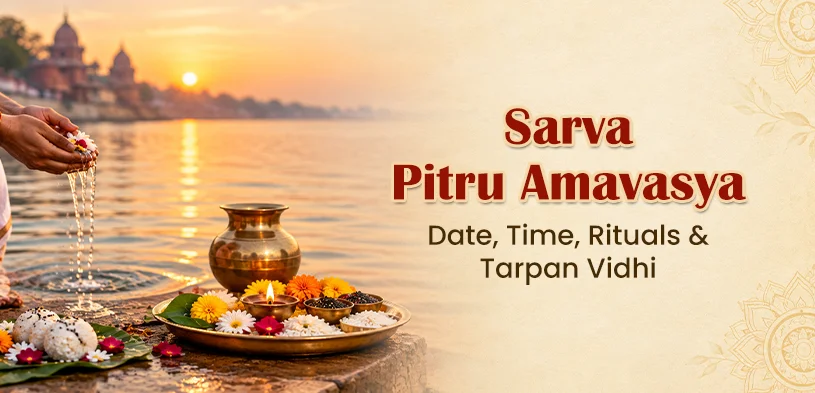
The last day of Pitru Paksha is known as Sarva Pitru Amavasya. This Amavasya is considered especially significant for remembering all known and unknown ancestors whose Shradh date may not be known or whose Shradh could not be performed on the prescribed tithi for some reason.
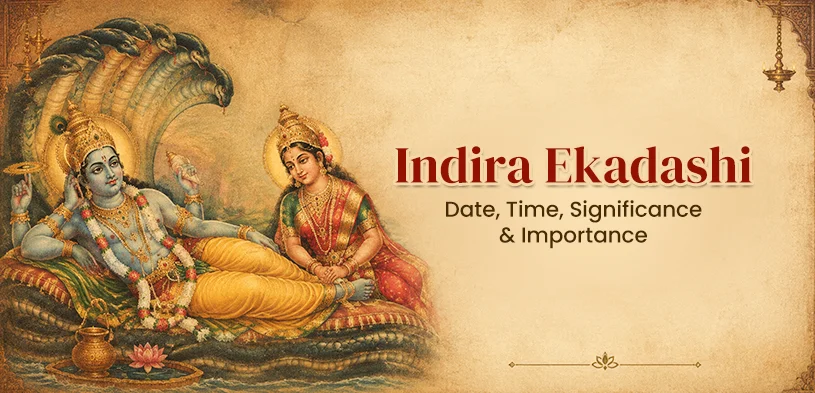
Indira Ekadashi, which falls during the Krishna Paksha of the Ashwin month, is one such meritorious tithi. As it occurs during Pitru Paksha, this day is specially associated with the worship of Lord Vishnu along with feelings of reverence and righteous deeds.
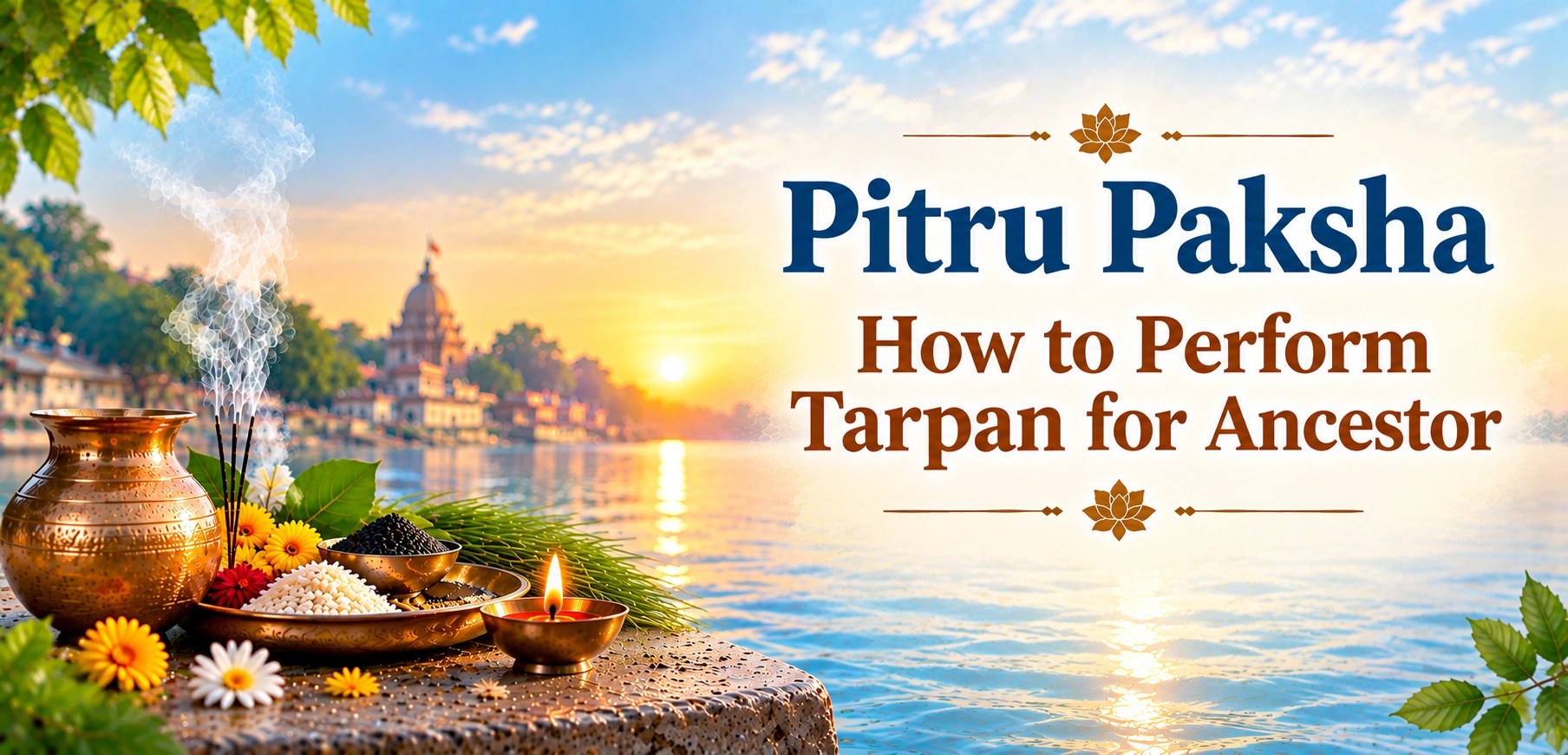
Our ancestors laid the foundation of the family through their lives, austerities, values, and good deeds. Pitru Paksha is the sacred opportunity to express reverence and gratitude towards them.