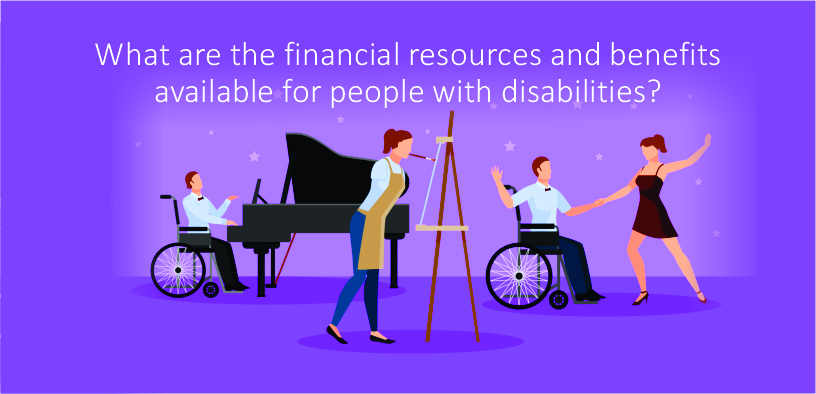
India is a signatory to the United Nations Convention on the Rights of Persons with Disabilities (UNCRPD). It recognizes the importance of providing financial resources to individuals with disabilities to promote social inclusion, economic independence, and overall well-being.
Narayan Seva Sansthan is one such organization operating numerous centers across the country. It offers free medical treatments, surgeries, and assistive devices to those in need. Additionally, the organization runs special schools and skill development programs to ensure individuals with disabilities receive quality education and vocational training, enhancing their employment opportunities and self-reliance.
The NSAP is a flagship welfare program by the Government of India that provides financial assistance to vulnerable groups, including people with disabilities.
Key components include:
These schemes ensure a basic income for sustenance.
Launched by the Ministry of Social Justice and Empowerment, RVY provides free assistive devices such as hearing aids, wheelchairs, and walking sticks. It benefits senior citizens and persons with disabilities, improving mobility and quality of life.
Individuals with disabilities can claim deductions under Sections 80U and 80DD of the Income Tax Act:
Custom duty concessions are available on certain assistive devices, making them more affordable and accessible.
The government and various organizations offer scholarships to support education for individuals with disabilities. These programs help them pursue higher education and skill development.
The Government of India reserves a percentage of jobs for persons with disabilities, improving their access to employment opportunities.
PMAY provides affordable housing and home loan subsidies, ensuring access to safe and inclusive living conditions.
The government has introduced accessibility guidelines for public buildings, transportation, and facilities. These measures ensure individuals with disabilities can navigate public spaces independently.
DDRS offers rehabilitation services such as early intervention, special education, vocational training, and community-based programs. These initiatives help individuals develop skills and improve employability.
Under the Skill India Mission, targeted programs are designed to train and upskill individuals with disabilities. These initiatives align training with individual capabilities, enabling employment or entrepreneurship.
The Pradhan Mantri Jan Arogya Yojana (PMJAY) provides health insurance coverage and access to cashless treatment at empaneled hospitals across India. This reduces the financial burden of healthcare.
The Assistance to Disabled Persons for Purchase/Fitting of Aids/Appliances (ADIP) scheme provides financial support for assistive devices such as prosthetics, hearing aids, and orthopedic appliances. This helps individuals lead more independent lives.
This Act ensures equal rights in education, employment, and accessibility while prohibiting discrimination. It provides a comprehensive legal framework to protect individuals with disabilities.
This Act establishes a National Trust for the welfare of individuals with autism, cerebral palsy, intellectual disabilities, and multiple disabilities. It provides support services, financial aid, and legal guardianship where required.
India has implemented several financial and social support systems to empower individuals with disabilities and promote inclusion. These include social security schemes, tax benefits, education and employment programs, and legal protections.
However, there is still a need to improve awareness and implementation. Ensuring equal opportunities and accessibility for all remains a critical goal for building an inclusive society.
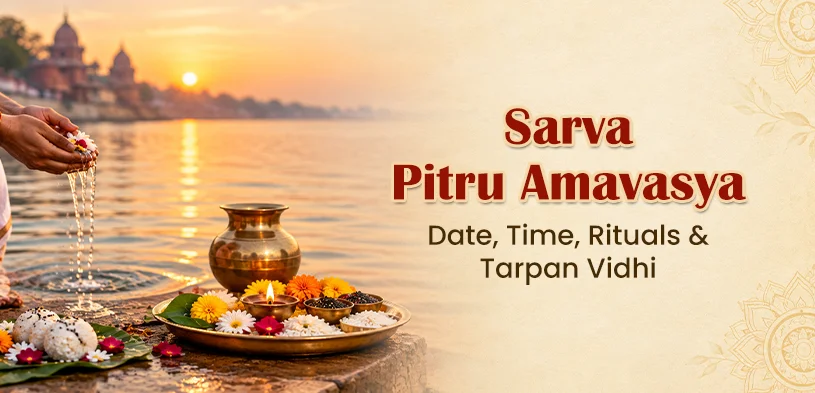
The last day of Pitru Paksha is known as Sarva Pitru Amavasya. This Amavasya is considered especially significant for remembering all known and unknown ancestors whose Shradh date may not be known or whose Shradh could not be performed on the prescribed tithi for some reason.
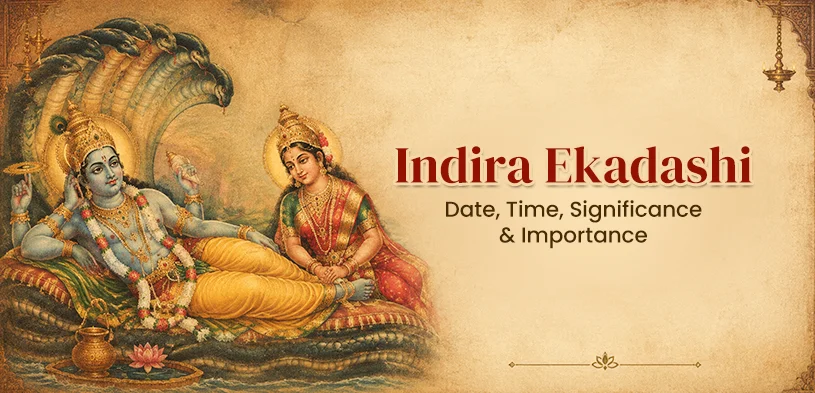
Indira Ekadashi, which falls during the Krishna Paksha of the Ashwin month, is one such meritorious tithi. As it occurs during Pitru Paksha, this day is specially associated with the worship of Lord Vishnu along with feelings of reverence and righteous deeds.

Our ancestors laid the foundation of the family through their lives, austerities, values, and good deeds. Pitru Paksha is the sacred opportunity to express reverence and gratitude towards them.