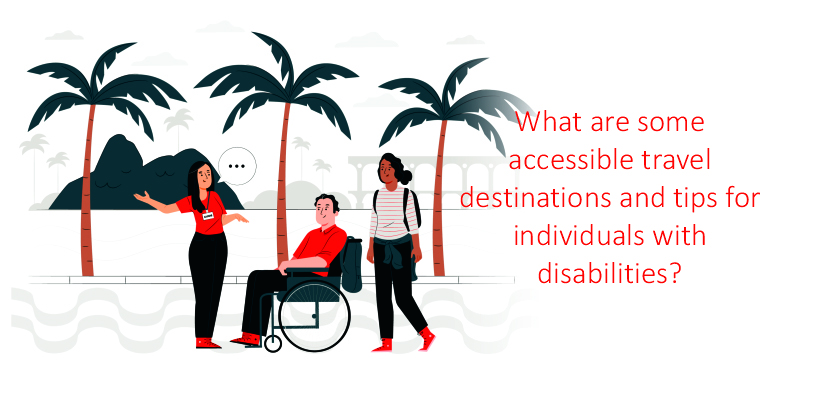
India is a diverse and culturally rich country. It offers a plethora of travel opportunities for people of all abilities. While India still has some challenges in terms of accessibility, many destinations have made significant progress. They are now better at accommodating individuals with disabilities.
Agra – The Majestic Taj Mahal:
Agra is home to the iconic Taj Mahal. It is a UNESCO World Heritage Site and offers accessible pathways to the main structure. The site provides wheelchairs and electric vehicles for individuals with mobility challenges. This allows them to enjoy the beauty of this architectural wonder.
Jaipur – The Pink City:
Jaipur is the capital city of Rajasthan. It is known for its vibrant culture and historical monuments. The Amer Fort is a popular attraction. It provides wheelchair ramps and accessible pathways. These features make it easier for people with disabilities to explore the palace complex.
Kerala – God’s Own Country:
Kerala is a beautiful state in southern India. It is known for its lush greenery and serene backwaters. Many accessible resorts and hotels are available. The Kerala Tourism Department has taken measures to make tourist spots accessible. This includes wheelchair-friendly houseboats.
Goa – Sun, Sand, and Accessibility:
Goa is a popular beach destination. It has made strides in improving accessibility for travelers with disabilities. Some beachside resorts offer accessible rooms and facilities. Certain beaches also have beach wheelchairs and accessible restrooms.
1. Research and Plan Ahead: Conduct thorough research about the destination. Look into accommodation, transportation options, and accessible attractions. Booking in advance can avoid last-minute hassles.
2. Contact Hotels and Resorts: Reach out to hotels and resorts prior to booking. Inquire about their accessibility features. Confirm that they can accommodate specific needs.
3. Use a Tour Operator Specializing in Accessible Travel: Consider using agencies that specialize in accessible travel in India. They can provide valuable insights. They can plan trips with disability-friendly options.
4. Be Prepared for Infrastructure Challenges: Some areas in India may still have limited accessibility infrastructure. Be mentally prepared to face occasional challenges. Consider traveling with a companion for assistance.
5. Carry Necessary Medical and Accessibility Equipment: Bring essential medical supplies and medications. Carry mobility aids and any other equipment necessary for your specific needs. It might be challenging to find specialized equipment in remote areas.
6. Understand Public Transportation Options: Public transportation in major cities has improved. However, it is essential to research the options available. Opt for accessible cabs or private transportation when needed.
7. Engage with Locals: Indian people are generally warm and helpful. Don’t hesitate to ask for assistance when needed. Locals are often eager to lend a helping hand.
8. Respect Local Customs: Be mindful of local customs and traditions. These may differ from your hometown or country. Respecting cultural norms will enhance your travel experience.
9. Prioritize Health and Hygiene: India can be challenging in terms of health and hygiene. Take necessary precautions to stay healthy during your trip.
Accessible travel in India is steadily improving. It offers individuals with disabilities the opportunity to enjoy the country’s heritage and culture. Awareness of disability-friendly travel is growing. India is becoming a more inclusive destination for all travelers.
Planning ahead is key. By choosing suitable destinations and following essential tips, individuals can embark on a rewarding journey. They can explore the diverse landscapes of India.
1. Food and Dietary Requirements:
India offers a wide variety of cuisine. Consider any dietary requirements or food allergies while traveling. Communicate your preferences to the hotel or restaurant staff. This ensures a safe and enjoyable dining experience.
2. Travel Insurance:
Obtain comprehensive travel insurance. Ensure it covers medical emergencies and potential disruptions to your travel plans. This will provide peace of mind and financial protection.
3. Accessible Apps and Resources:
Utilize smartphone apps and websites that provide information on accessibility. Some apps list accessible hotels and attractions. These help you make informed decisions during your travels.
4. Language Considerations:
English is widely spoken in many tourist areas. However, learning a few basic phrases in the local language can be beneficial. This is helpful when seeking assistance or communicating specific needs.
5. Consider Your Energy Levels:
Traveling can be stimulating and sometimes exhausting. Pace yourself during the trip. Plan rest days to recharge and make the most of your journey.
India is a land of diversity. It offers an incredible travel experience for people with disabilities. Individuals can explore the country’s history and culture with careful planning and the right mindset.
Narayan Seva Sansthan operates various facilities and programs across the country. These focus on improving the lives of those with disabilities. They offer medical treatments, artificial limbs, and mobility aids. They also provide vocational training to enhance independence. The dedicated team of doctors and volunteers work tirelessly. They assist individuals with disabilities and promote their inclusion into society.
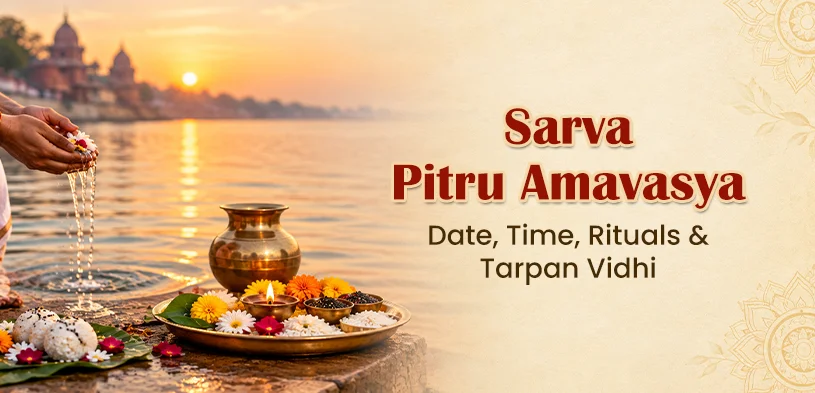
The last day of Pitru Paksha is known as Sarva Pitru Amavasya. This Amavasya is considered especially significant for remembering all known and unknown ancestors whose Shradh date may not be known or whose Shradh could not be performed on the prescribed tithi for some reason.
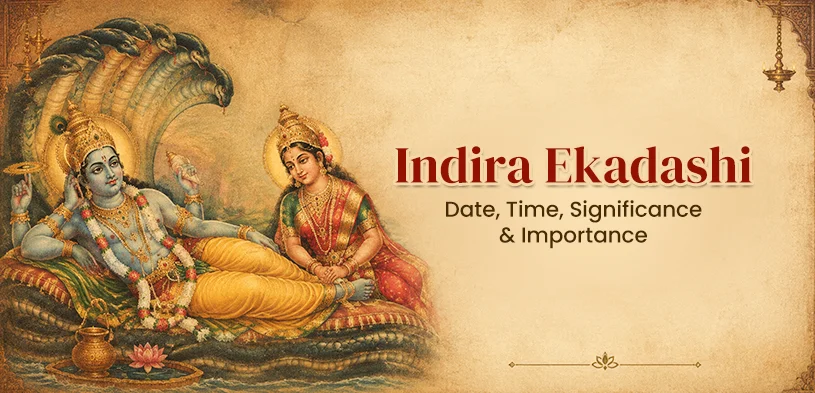
Indira Ekadashi, which falls during the Krishna Paksha of the Ashwin month, is one such meritorious tithi. As it occurs during Pitru Paksha, this day is specially associated with the worship of Lord Vishnu along with feelings of reverence and righteous deeds.
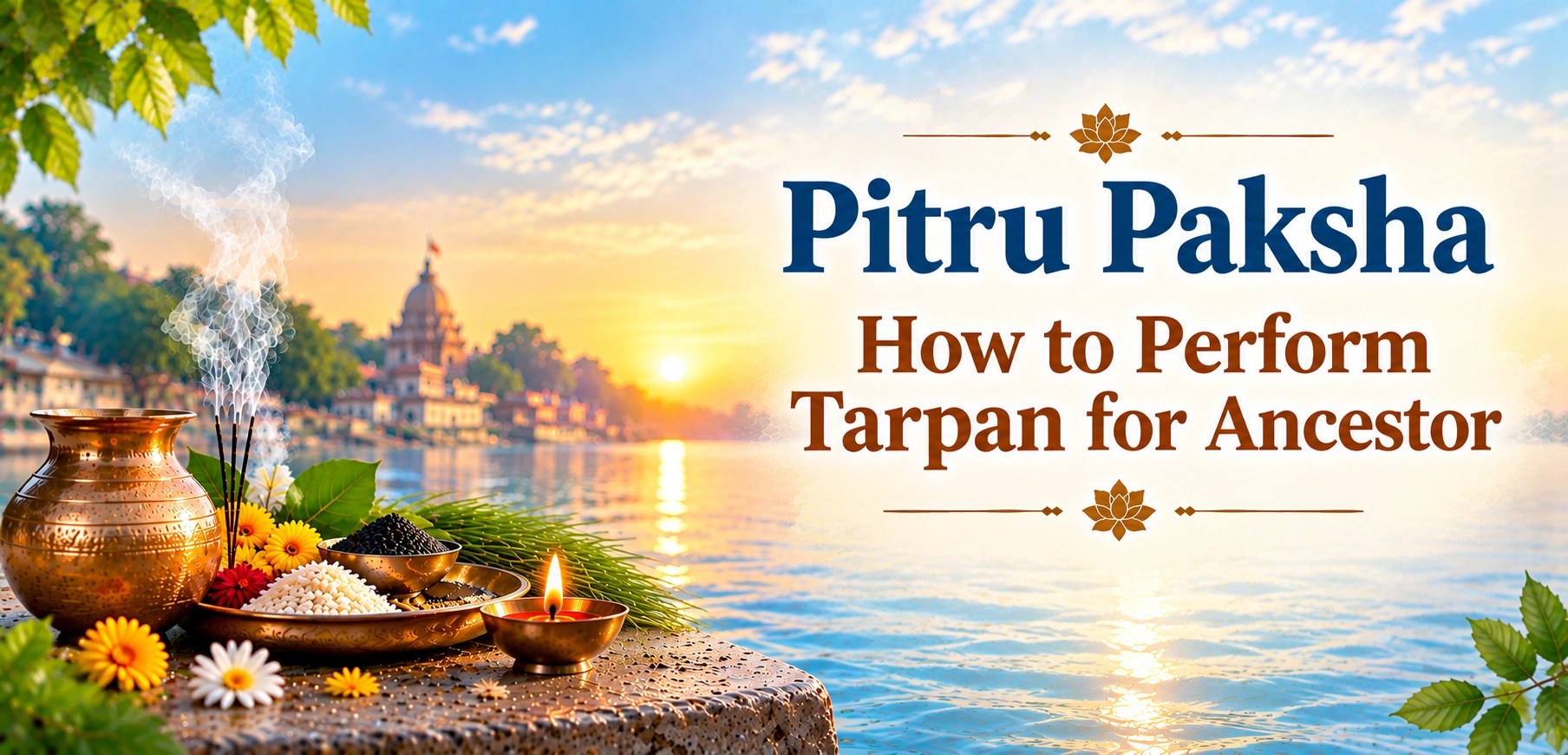
Our ancestors laid the foundation of the family through their lives, austerities, values, and good deeds. Pitru Paksha is the sacred opportunity to express reverence and gratitude towards them.