- +91-7023509999
- 0294-6622222
- info@narayanseva.org
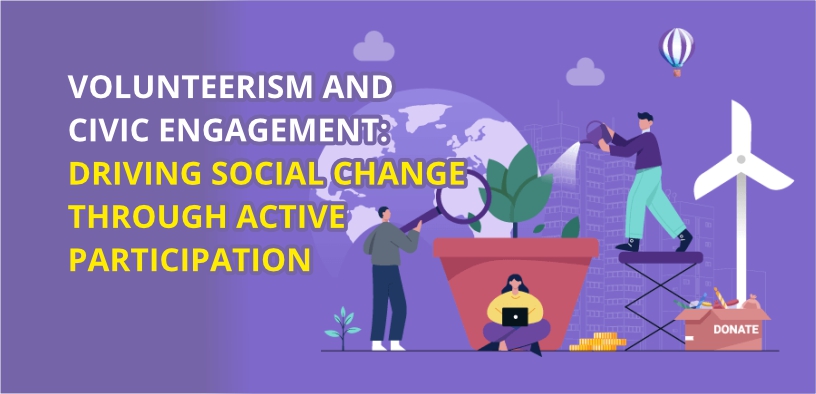
Volunteerism and civic engagement play a key role in social change. They help improve lives and strengthen communities.
In India, many social problems still exist. These include poverty, lack of education, and poor access to healthcare.
Organizations like Narayan Seva Sansthan have made a strong impact. They use volunteer support to help people in need.
Volunteerism means giving your time, skills, or resources to help others. Civic engagement means taking part in social, economic, or political activities to create positive change.
In India, both help address major issues such as:
Volunteers help close social gaps. They also inspire others to get involved.
Volunteers often act as role models. Their actions create a ripple effect and increase impact.
Volunteerism and civic engagement support the growth of individuals and society. They encourage responsibility and active participation.
Volunteering helps people learn new skills and gain confidence. It supports both personal and professional growth.
Civic activities also build responsibility. They empower people to shape their communities.
When people work together, communities become stronger. Volunteer efforts help solve local problems.
These efforts promote unity and long-term development.
Volunteer work improves the quality of life for many groups.
Such efforts promote inclusion and equal opportunity.
Civic engagement keeps democracy strong. People take part in activities like:
These actions help hold leaders accountable and improve transparency.
Volunteering brings emotional rewards. Research shows it can:
Civic engagement also gives people a voice. This leads to confidence and fulfillment.
Although volunteerism has great potential, several challenges exist in India.
Many people do not understand the value of volunteering. Education about active citizenship is limited.
Many areas lack training centers and funding. Rural regions are especially affected.
Social hierarchies and gender bias restrict participation. Discrimination based on caste or religion also creates barriers.
Some people distrust institutions due to corruption or poor transparency. This reduces volunteer participation.
Busy schedules and financial pressure limit involvement. Many people must focus on earning a livelihood.
Volunteer efforts are often scattered. A lack of coordination reduces overall impact.
Volunteerism and civic engagement are vital for social progress in India.
Organizations like Narayan Seva Sansthan show how service can change lives.
Greater awareness and participation are needed. Together, we can build a fair and inclusive future.
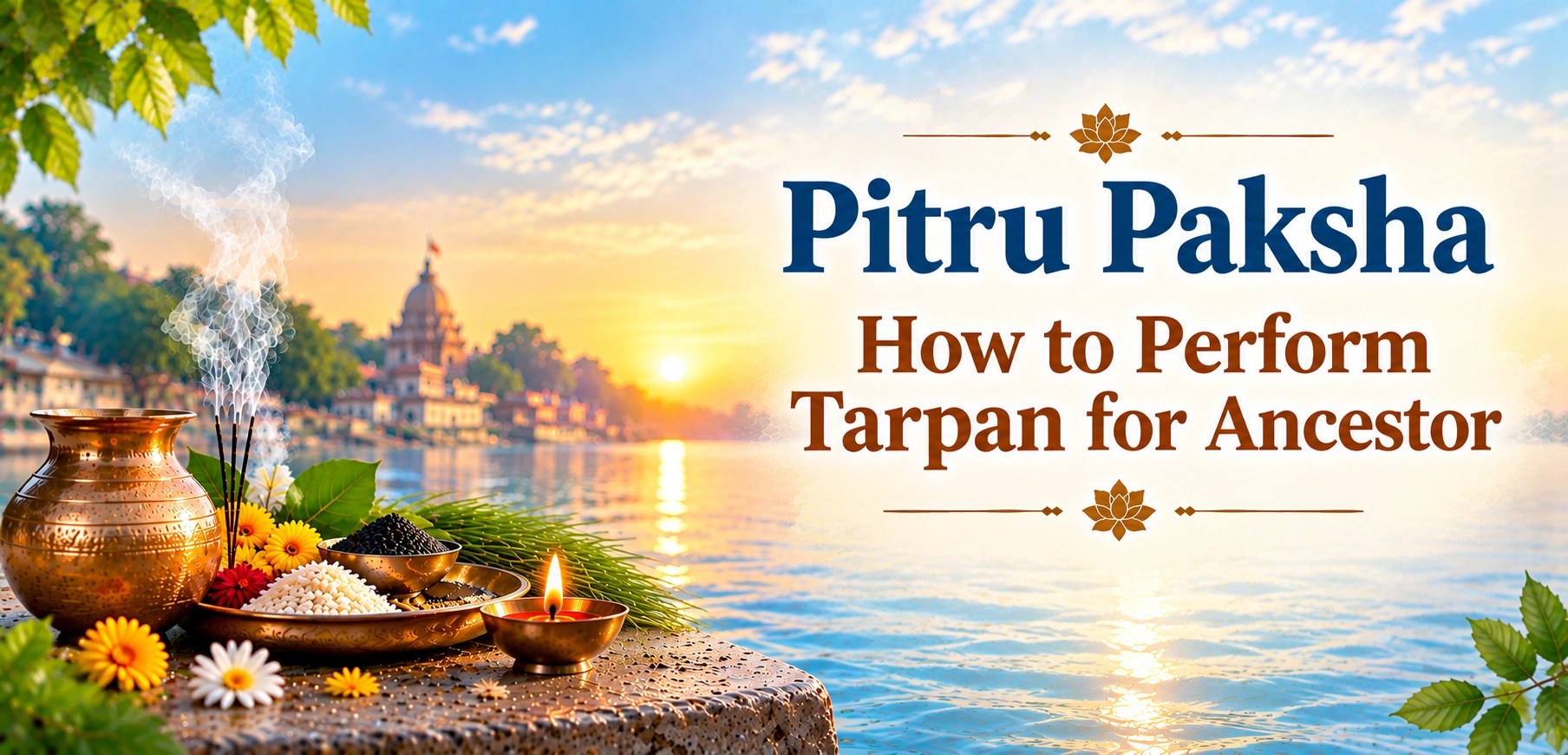
Our ancestors laid the foundation of the family through their lives, austerities, values, and good deeds. Pitru Paksha is the sacred opportunity to express reverence and gratitude towards them.
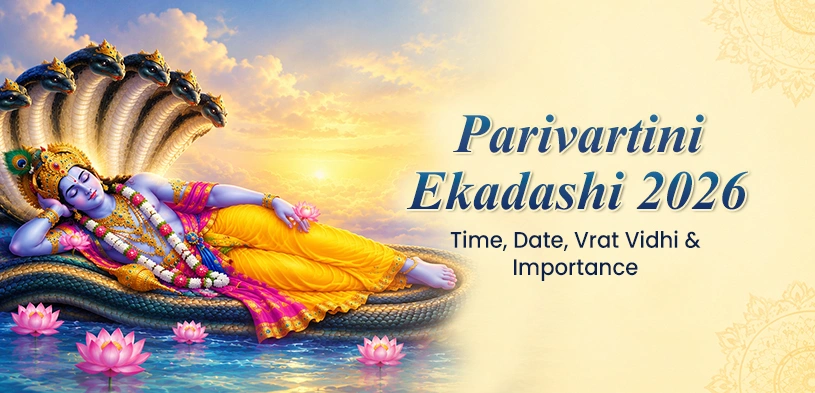
Parivartini Ekadashi of the Shukla Paksha of Bhadrapada holds special importance. It is also known as Padma Ekadashi, Parshva Ekadashi and Dol Gyaras.
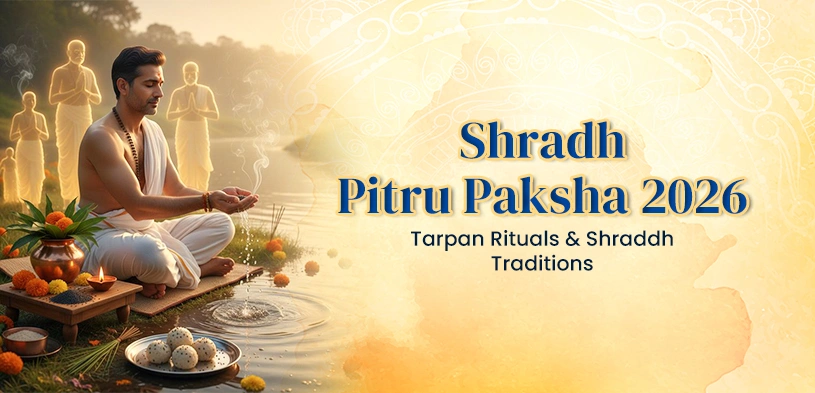
In the year 2026, Shradh Paksha (Pitru Paksha) will begin on 26 September 2026 and end on 10 October 2026 with Sarva Pitru Amavasya. During this sacred period, followers of Sanatan Dharma can perform Shradh, Tarpan and other rituals for their ancestors according to the respective tithi.