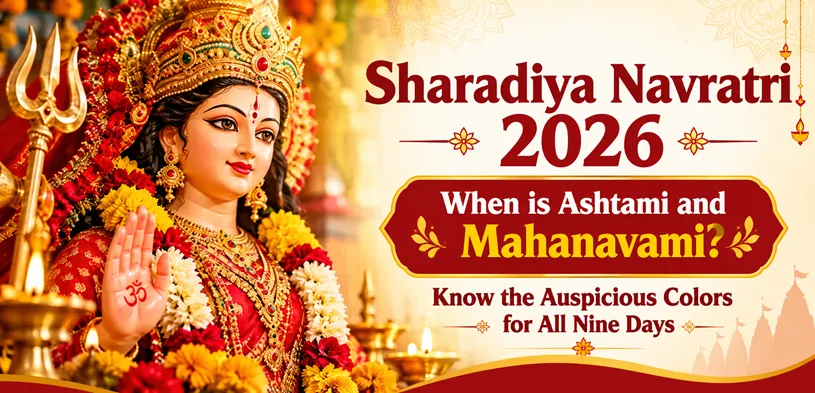

Sharadiya Navratri is a sacred occasion dedicated to the worship of Maa Durga, devotion to divine feminine power, and making a resolve to bring harmony into life. During these nine days, devotees worship the nine divine forms of Maa Jagdamba and pray for happiness, prosperity, good health, peace, and well-being for their families. The chants of the Goddess echoing through temples, the Akhand Jyoti lit in homes, and the fasts observed with devotion enhance the spiritual significance of this festival.
In 2026, Sharadiya Navratri begins on Sunday, October 11. This year, the belief that Maa Durga arrives riding an elephant is receiving special attention. Devotees worship the Goddess in her Gajvahini form and pray for happiness, peace, and prosperity in their lives.
According to the tradition of Devi worship, the vehicle of Maa Durga’s arrival during Navratri is determined based on the day and weekday on which Navratri begins. According to religious belief, since Navratri begins on a Sunday this year, Maa Durga’s vehicle is considered to be an elephant. This form of the Goddess is known as Gajvahini.
In Indian culture, the elephant is considered a symbol of dignity, strength, patience, and prosperity. Therefore, Maa Durga’s arrival on an elephant is associated with auspiciousness and abundance. On this occasion, devotees pray to the Goddess for happiness and peace in their families, the removal of obstacles from their lives, and the welfare of the world.
Ashtami during Navratri is also known as Durga Ashtami or Maha Ashtami. On this day, devotees worship Maa Mahagauri, the eighth form of Maa Durga. In many families, special puja, havan, and Kanya Pujan are performed on Ashtami.
In 2026, the Ashtami Tithi begins at 8:27 AM on October 18 and ends at 10:51 AM on October 19. Therefore, while deciding the timing of Ashtami-related rituals, it is important to consider the beginning and end of the Tithi along with the local Panchang. According to the Udaya Tithi calculation, Ashtami will be observed on October 19. It is advisable to complete Ashtami puja and Kanya Pujan before 10:51 AM.
Those who perform Ashtami Puja should first take a bath, wear clean clothes, and install an idol or image of Maa Durga at the place of worship. Worship the Goddess according to tradition by offering flowers, Akshat, roli, incense, lamps, and naivedya. Devotees may also recite the Durga Saptashati, chant mantras, and perform havan according to their family traditions.
Kanya Pujan is one of the important religious traditions of this day. Young girls are revered as manifestations of the Goddess and treated with respect and devotion. Offer them a delicious meal and, according to one’s capacity and tradition, gifts or dakshina, and seek their blessings.
The ninth day of Navratri is known as Mahanavami. On this day, Maa Siddhidatri is worshipped. In many places, special havans, Kanya Pujan, and rituals associated with the conclusion of the Navratri fast are performed on Mahanavami.
According to the Tithi calculation, after Ashtami ends at 10:51 AM on October 19, 2026, Navami Tithi begins. Before determining the timing of Navami rituals, devotees should confirm the timings with a reliable local Panchang. The decision regarding Ashtami and Navami Puja should not be based solely on the calendar date but should take into account the local sunrise and the relevant religious tradition.
Those who perform Mahanavami Puja at home can worship Maa Durga following the procedure mentioned above for Ashtami and also perform Kanya Pujan to seek the blessings of Maa Ambe.
Devotees who traditionally break their fast after Navami Puja should confirm the appropriate Parana time according to their local Panchang before concluding the fast.
The worship performed during the transition between Ashtami and Navami is known as Sandhi Puja. This period holds an important place in the traditions of Durga worship. Sandhi refers to the meeting point between two Tithis. Traditionally, the last 24 minutes of Ashtami and the first 24 minutes of Navami together form a 48-minute Sandhi period.
According to religious belief, it was during this period that Maa Durga assumed the form of Chamunda and defeated the demons Chanda and Munda. Therefore, special worship of Maa Chamunda is performed during Sandhi Puja. This worship symbolizes the victory of righteousness over evil, justice over injustice, and divine power over negativity.
During Sandhi Puja, devotees offer flowers, lamps, and other puja materials to the Goddess. Some traditions also prescribe lighting 108 lamps and offering 108 lotus flowers. Devotees may perform the rituals according to their capacity and family traditions.
For 2026, the Sandhi Puja timing has been mentioned as 10:27 AM to 11:15 AM on October 19. However, there appears to be a calculation-related difference between this Muhurat and the Ashtami–Navami Tithi timings mentioned above. Therefore, this timing should be confirmed with a local Panchang or a qualified priest before being treated as final.
During Navratri, different forms of Maa Durga are worshipped on each of the nine days. In many regions, there is also a tradition of wearing specific colors associated with each day. Devotees connect these colors with their devotion to the Goddess and the festive spirit of Navratri. However, the sequence of colors may vary according to regional traditions and commonly followed lists. Therefore, these colors should be understood as a devotional tradition rather than a mandatory religious rule.
The colors of clothing worn during Maa Durga’s worship are a way of expressing devotion. More important than the color is a pure heart, sincere devotion, good conduct, and compassion toward others.
The tradition of Kanya Pujan during Navratri is associated with honoring feminine power and revering the divine form of the Goddess. This Sharadiya Navratri, along with worshipping Maa Jagdamba, take a pledge of service that can bring new hope into the life of a daughter in need. Narayan Seva Sansthan is working towards improving the lives of children through its initiative for free surgeries for 501 differently-abled girls.
Many girls with physical disabilities face difficulties in walking, receiving education, and performing everyday activities. Appropriate treatment and timely medical care can bring a meaningful change to their lives. Surgery can help these girls move toward a more independent and dignified life.
Your support can contribute toward the treatment of a girl in need. This Navratri, while offering your devotion at the feet of Maa Bhagwati, become a part of this service initiative and support the surgeries of these daughters.
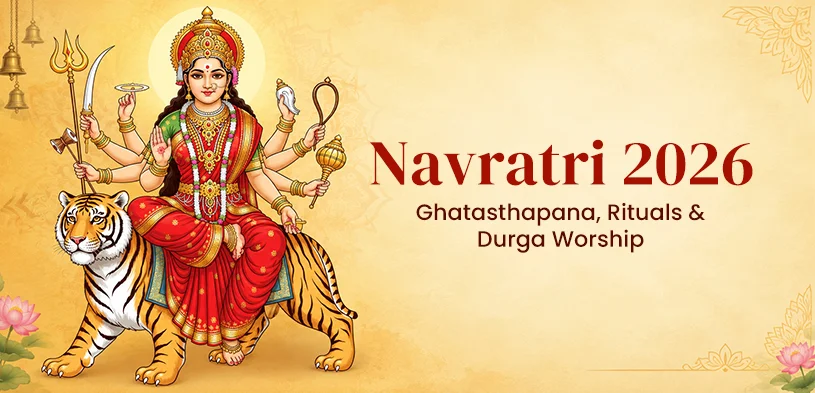
Shardiya Navratri 2026 begins 11 October with Ghatasthapana and concludes with Dussehra on 20 October. Get the full Ghatasthapana Muhurat, day-wise Durga Puja calendar, colours, and puja vidhi inside.
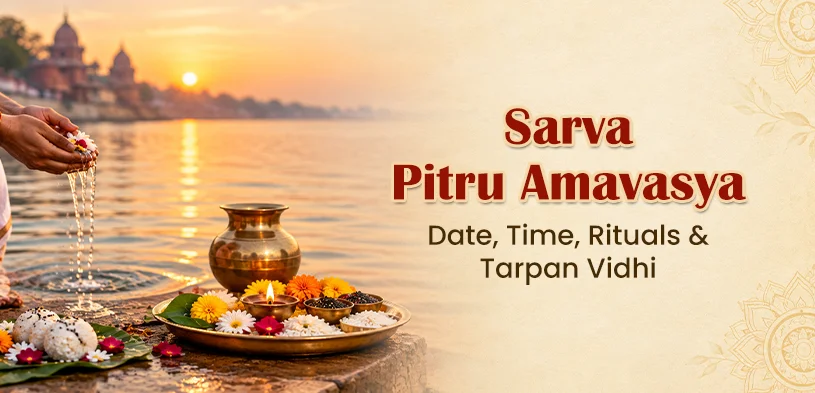
The last day of Pitru Paksha is known as Sarva Pitru Amavasya. This Amavasya is considered especially significant for remembering all known and unknown ancestors whose Shradh date may not be known or whose Shradh could not be performed on the prescribed tithi for some reason.
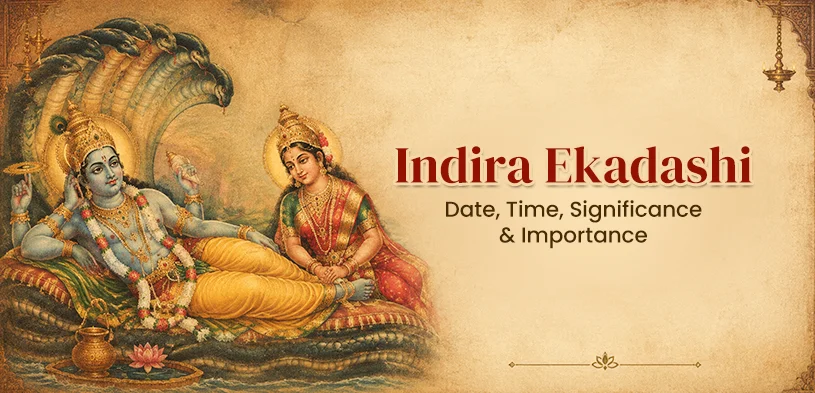
Indira Ekadashi, which falls during the Krishna Paksha of the Ashwin month, is one such meritorious tithi. As it occurs during Pitru Paksha, this day is specially associated with the worship of Lord Vishnu along with feelings of reverence and righteous deeds.


