- +91-7023509999
- 0294-6622222
- info@narayanseva.org
The night of December 31st, known as New Year’s Eve, is a grand celebration celebrated around the world with excitement, enthusiasm, and the hope of new beginnings. Most countries observe a public holiday to allow people to participate in the celebrations. In many cities around the world, the celebrations are so grand that the entire atmosphere transforms into a colorful festival.
New Year’s Eve dates back thousands of years. Its roots date back to ancient Mesopotamian and Babylonian civilizations, where a festival called Akitu was celebrated approximately 4,000 years ago. This celebration was held in the spring, during the sowing season, and lasted for 12 days. It included religious rituals, plays, festivities, and the coronation of a new king.
During Roman times, in 46 BC, Julius Caesar implemented the Julian calendar and declared January 1st the first day of the new year. This day was dedicated to the Roman god Janus, who was believed to have two faces: one facing the past and the other facing the future. This is where the New Year gained its symbolic meaning of bidding farewell to the old year and moving forward into the future.
With the influence of Christianity in medieval Europe, New Year’s Day began to be celebrated as a religious festival. Later, Pope Gregory XIII implemented the Gregorian calendar in 1582, re-establishing January 1 as the beginning of the new year, a date followed worldwide today.
By the end of the 19th century, the tradition of celebrating New Year’s Eve as a celebration with family and community grew stronger. In 1907, the ball drop took place for the first time in Times Square, New York, USA, and has now become a world-famous event. The crystal ball, 12 feet in diameter and weighing approximately 12,000 pounds, descends in 60 seconds. People count down the last 10 seconds, and as the clock strikes 12, the New Year begins. People wish each other a Happy New Year. They sing “Auld Lang Syne,” an old Scottish song that celebrates the passing of days.
In addition to New York, unique events are held in cities like Las Vegas, Atlanta, Los Angeles, Auckland, Sydney, Tokyo, Singapore, Delhi, Mumbai, Udaipur, Dubai, Paris, Moscow, and London. New Year’s Eve is a time of parties, fireworks, and fun. People stay up until midnight to welcome the New Year.
In many countries, several traditions are considered auspicious for the New Year. People there strictly follow these traditions to bring good luck. In the New England region of the United States, bordering Canada, cabbage is considered a symbol of prosperity. In the southern states of the United States, dishes made from black beans, especially “Hoppin’ John,” are considered a symbol of wealth and fulfillment in life. Champagne and cake are also considered auspicious foods. In the Italian-American community, wearing red underwear on New Year’s Day is considered a symbol of love and good luck. At midnight, people use noisemakers like whistles and blowers to welcome the New Year. People believe this helps ward off bad luck.
New Year’s Eve is a confluence of history, tradition, celebration, and new hopes. This night gives us the opportunity to thank the past year, learn from our mistakes, and embrace the new year with open hearts. That’s why the night of December 31st is lit up with smiles, lights, and hope all over the world.
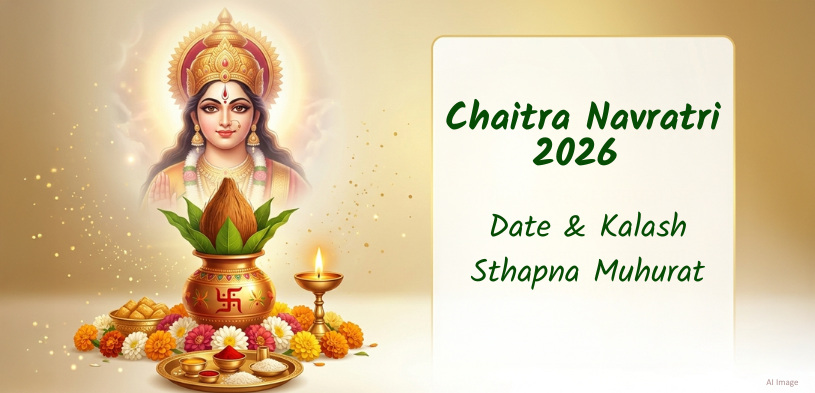
Chaitra Navratri 2026: This sacred nine-day ritual begins on March 19th and continues until March 27th. The auspicious time for Ghatasthapana is from 6:52 am to 7:43 am. Receive the blessings of Goddess Durga through the Kalash Sthapana ritual and Kanya Pujan.

Claim up to 50% or 100% tax deduction on donations under Section 80G—available only in the Old Tax Regime. No benefits on cash donations above ₹2,000; Form 10BE is mandatory.
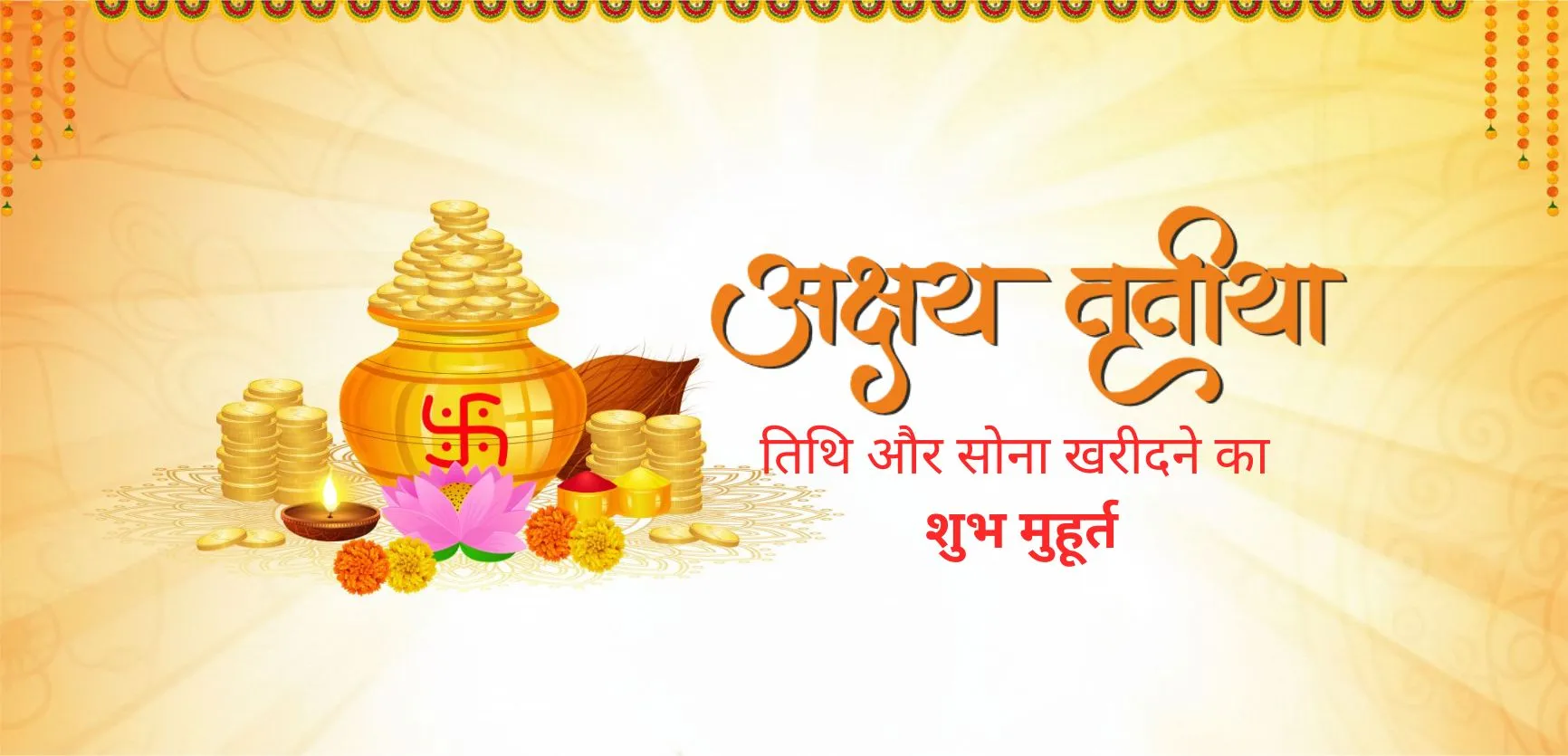
अक्षय तृतीया, जिसे आखा तीज भी कहते हैं, वैशाख शुक्ल तृतीया को मनाया जाता है और इस दिन किए गए दान, जप, तप एवं शुभ कार्य अक्षय (अनंत) फल देते हैं। 19 अप्रैल 2026 को पड़ने वाला यह अबूझ मुहूर्त पर्व परशुराम जयंती, गंगा अवतरण, अक्षय पात्र कथा से जुड़ा है, जहाँ सोना खरीदना, लक्ष्मीनारायण-कुबेर पूजा और दान से जीवन में सुख-समृद्धि अक्षय बनी रहती है।