The sacred festival of diwali is a divine opportunity to dispel darkness from one’s life and embrace righteousness, virtuous conduct, and auspiciousness. Within the sequence of the Deepotsav, Naraka Chaturdashi holds special significance. It is also known as Roop Chaudas, Kali Chaudas and Chhoti Diwali.
This auspicious day is associated with the valor of Lord Krishna, the aspiration to be liberated from the fear of death, and the purification of both body and mind.
Celebrated on the fourteenth day of the waning moon in the month of Kartika, this festival reminds us that the true beauty of life does not lie merely in one’s external appearance but in the purity of the mind, the clarity of one’s thoughts, and the nobility of one’s actions.
On this day, there are specific traditions for lighting lamps, performing a ritual bath and worshipping the Divine. It is a religious belief that performing the rituals of this day with devotion brings happiness and prosperity into one’s life and invites the blessings of the Divine.
The festival of Naraka Chaturdashi is celebrated one day before Deepavali. In the year 2026, it will be observed on October 8th. According to the Drik Panchang, shubh muhurat begins at 10:47 AM on October 7, 2026, and continues until 11:27 AM on the following day, October 8, 2026. Based on the Udaya Tithi, Naraka Chaturdashi will be celebrated on October 8th. Since the start and end times of the Chaturdashi Tithi can vary based on local sunrise and geographical location—which may influence the timing of rituals—it is advisable to consult a reliable local Panchang for your specific city.
The traditions for this day include an early morning ritual bath, the worship of Lord Krishna, and the lighting of a lamp in the evening dedicated to Yamraj. In some regions, it is celebrated as Chhoti Diwali, while in many parts of Western India, it is observed with great enthusiasm as Roop Chaudas.
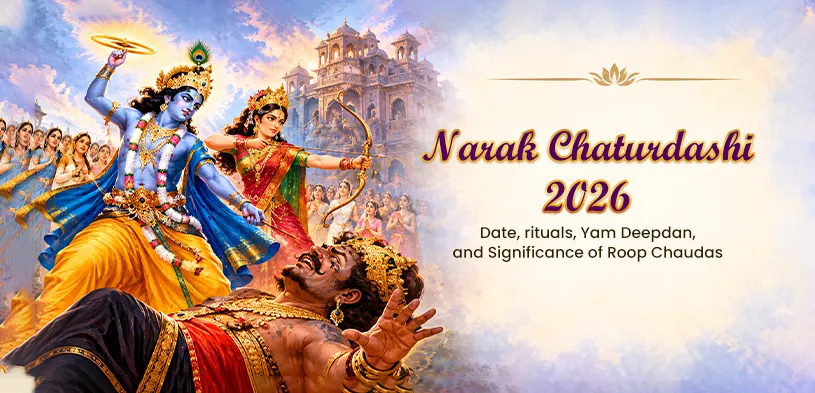
Naraka Chaturdashi is associated with the legend of Lord Krishna slaying the demon Narakasura. According to accounts in religious texts, Narakasura, blinded by his own power and ego, began perpetrating atrocities across various realms. He tormented the gods and held many maidens captive, leaving the entire world suffering under his tyranny. To liberate the world from Narakasura’s reign of terror, Lord Krishna attacked his capital, Pragjyotishpura. In the ensuing battle, Lord Krishna slew Narakasura, rescued the captive maidens, and delivered the world from his cruel oppression.
It is believed that Naraka Chaturdashi is celebrated to commemorate the slaying of Narakasura. The story of Naraka Chaturdashi teaches us that when unrighteousness crosses all limits, divine power manifests to restore righteousness. This aspect of Lord Krishna inspires devotees to stand against injustice and follow the path of truth.
On Naraka Chaturdashi, there is a special tradition of performing an Abhyang Snan—a ritual bath taken before sunrise, which involves applying oil to the body. From a religious perspective, this is considered a symbol of purification and well-being. According to traditional belief, bathing early in the morning on this day grants freedom from the fear of narak and invites auspiciousness into one’s life. In many families, ubtan and fragrant substances are also used during this bath.
The Abhyang Snan can be performed as follows:
• Wake up early in the morning and prepare for the bath.
• Apply sesame oil, mustard oil, or another suitable oil to your body, in accordance with your family’s traditions.
• While bathing, remember the Divine and pray for the purification of your mind.
• After bathing, put on clean clothes and worship Lord Krishna or your chosen deity.
• Begin your day with positive thoughts and auspicious intentions.
Please note that the religious customs surrounding the Abhyang Snan may vary by region; it is best to follow the practices specific to your own family tradition.
On Naraka Chaturdashi, there is also a tradition of lighting a lamp dedicated to Yamraj. This is known as ‘Yam Deepdaan.’ According to religious belief, performing this act with devotion offers protection from the fear of untimely death and brings blessings for the well-being of one’s family.
Yamraj is regarded as the presiding deity of dharma and justice. Lighting a lamp in his honor serves as a symbolic acknowledgment of the transient nature of life while also signifying a commitment to living a righteous life.
For the Yam Deepdaan, a lamp is placed outside the home—or in a location designated by family tradition—during the evening. Use sesame oil—or an oil or ghee appropriate to your own traditions—in the lamp. As you light the lamp, pray to Yamraj for the protection of your family and for a blessed, auspicious life.
During the festival of lights, the lamp serves as a symbol of auspiciousness and hope.
On this day, light lamps in the evening and place them at the main entrance of your home as well as in your place of worship. Additionally, on Naraka Chaturdashi, along with the ritual of lighting lamps, make a pledge to perform acts of charity—extend a helping hand to a family in need.
In the Sanatan tradition, service is considered the noblest of deeds. When a person understands the suffering of others and offers assistance, it fosters compassion and humility within them. The true joy of the Diwali festival lies not just in the celebrations but also in enhancing the happiness and dignity of others’ lives.
As you light lamps this Naraka Chaturdashi, kindle a flame of goodwill within your own heart. Pray to the Divine that every family may be blessed with happiness and peace, that everyone may enjoy good health, and that a spirit of love and altruism may flourish in society.
May the grace of Lord Krishna dispel all darkness from your life this Naraka Chaturdashi; may your home be illuminated with happiness and prosperity, and may the light of righteousness and harmony guide every action you take.
Question: When will Naraka Chaturdashi be celebrated in 2026?
Answer: In 2026, Naraka Chaturdashi will be celebrated on November 8th.
Question: Why is Naraka Chaturdashi also called ‘Roop Chaudas’?
Answer: On this day, the tradition of Abhyanga Snan—associated with physical and mental purification—holds special significance. For this reason, it is also known as ‘Roop Chaudas’.
Question: Which deity is worshipped on Naraka Chaturdashi?
Answer: Worshipping Lord Krishna holds special significance on this day, as, according to religious belief, He liberated the world from the atrocities of the demon Narakasura by slaying him. Lamps are also lit in honor of Yamraj (the Lord of Death).
Question: Why is an Abhyanga Snan performed on Naraka Chaturdashi?
Answer: An Abhyanga Snan is considered a symbol of purification and a gesture of seeking auspicious blessings. According to religious belief, bathing before sunrise is one of the key traditions of this festival.
Question: How should one perform Yama Deepdaan on Naraka Chaturdashi?
Answer: In the evening, light a lamp in accordance with your family traditions and pray for the well-being and protection of your family.
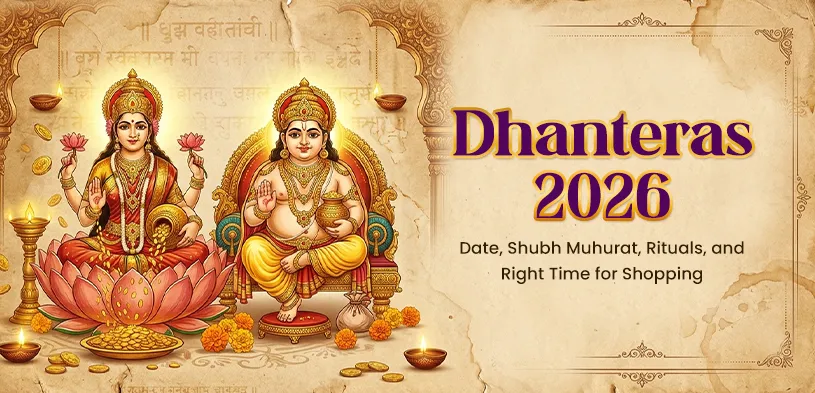
Amid the preparations for Diwali, Dhanteras arrives on the Trayodashi Tithi of Krishna Paksha in the Hindu month of Kartik. This sacred festival is dedicated to the worship of Lord Dhanvantari, Goddess Lakshmi, and Lord Kubera.
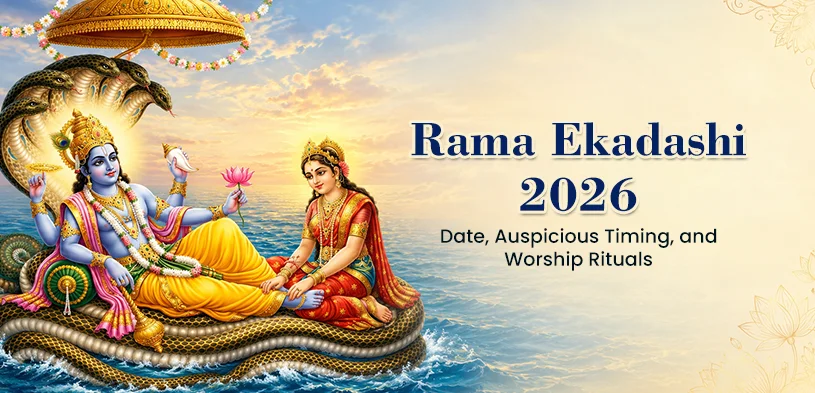
Rama Ekadashi is regarded as an Ekadashi that helps in overcoming sins and brings spiritual merit. Worshipping Lord Vishnu, chanting the name of Hari, observing a fast, making donations, and performing acts of service are considered especially meaningful on this day.
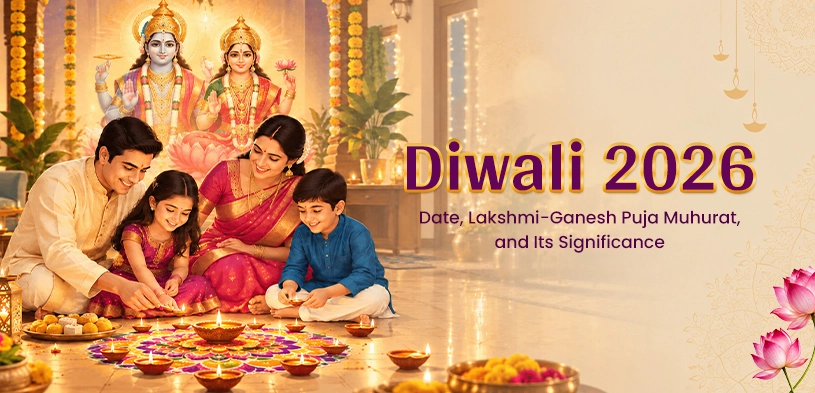
Diwali, the festival of lights, brings a message of renewed hope, prosperity, and new beginnings. It is a sacred occasion to illuminate our inner selves, follow the path of good deeds, and embrace righteousness, compassion, and harmony in our lives.