Every date in the Hindu calendar holds its own religious and spiritual significance. Some occasions also provide us with an opportunity to express gratitude towards our ancestors and understand the importance of service, charity and good deeds in life. Margashirsha Amavasya is one such sacred occasion.
In the Shrimad Bhagavad Gita, Lord Shri Krishna describes the month of Margashirsha as His own divine form. In Chapter 10 of the Gita, the Lord says:
“Maasaanam Maargashirsho’ham”
Meaning: Among all the months, I am Margashirsha.
This verse itself reflects the spiritual importance of the month of Margashirsha. On the Amavasya falling during this month, taking a holy bath, meditation, performing Pitru Tarpan, worshipping deities and engaging in acts of charity are considered auspicious. According to hindu beliefs, performing these rituals with devotion on this day brings blessings from ancestors and helps create a path towards happiness, peace and prosperity in the family.
According to the Hindu calendar, Amavasya is the last lunar day of the Krishna Paksha (waning phase of the Moon) in the month of Margashirsha. In 2026, Margashirsha Amavasya will be observed on 8 December.
The Amavasya Tithi will begin on 8 December at 4:12 AM and end on 9 December at 6:21 AM.
Margashirsha Amavasya is a special occasion to express devotion towards our ancestors and dedicate ourselves to spiritual practices. According to Hindu beliefs, Amavasya holds special importance for remembering ancestors and performing Shraddha rituals.
It is believed that offering water to ancestors, making donations in their name and serving food to Brahmins and those in need on this day bring peace and satisfaction to departed souls. Family members also remember their ancestors and pay respect to the values and traditions passed down through generations.
Worshipping Lord Vishnu also holds special significance on this day. The month of Margashirsha itself is considered dedicated to Shri Hari. Therefore, devotees recite the Vishnu Sahasranama and chant sacred mantras to seek the blessings of lord vishnu.
Begin the day of Margashirsha Amavasya by following a few simple religious rituals:
Amavasya is considered especially significant for remembering ancestors. On Margashirsha Amavasya, several religious rituals are performed to express respect and gratitude towards departed family members.
By following a few simple practices on this sacred occasion, devotees can perform their religious rituals with sincerity and devotion:
In Hinduism, charity is considered one of the important responsibilities. It encourages people to help those in need without expecting anything in return. In the Shrimad Bhagavad Gita, Lord Shri Krishna explains the importance of charity through the following verse:
Datavyamiti yaddaanam deeyate’nupakaarine.
Deshe kaale cha paatre cha taddaanam saatvikam smritam.
Meaning: Charity that is given without expecting anything in return, at the right time and place, and to a worthy recipient, with the understanding that giving is our duty, is considered Sattvic charity.
On Margashirsha Amavasya, let us make a commitment to embrace this spirit of selfless giving in our lives. Feeding people in need on this day is considered a highly meritorious act of service. Providing a wholesome meal to someone who is hungry is also a beautiful expression of compassion and care. Similarly, donating warm clothes and blankets during winter brings great relief to people who lack adequate resources to protect themselves from the cold.
On this occasion, you can also support the service initiatives of Narayan Seva Sansthan. Join the initiative to provide special meals to underprivileged, helpless and needy children. Also, extend your support through the Sukoon Bhari Sardi Campaign to help provide sweaters and blankets to children and people struggling to protect themselves from the cold.
Even a small contribution from you can fill the plate of a hungry child and provide warmth and comfort to someone in need.
Margashirsha Amavasya gives us an opportunity to express gratitude towards our ancestors, worship the Almighty and understand our responsibilities towards humanity. On this sacred occasion, remember Lord Vishnu, perform Tarpan for your ancestors and participate in acts of charity according to your capacity.
Remembering our ancestors and helping those in need are both ways of putting our values into practice.
Q. When is Margashirsha Amavasya in 2026?
A: In 2026, Margashirsha Amavasya will be observed on Tuesday, 8 December.
Q. What is the religious significance of Margashirsha Amavasya?
A: Margashirsha Amavasya is considered especially significant for remembering ancestors, performing Pitru Tarpan and engaging in acts of charity. According to religious beliefs, worshipping Lord Vishnu and helping those in need on this day bring spiritual merit.
Q. Which deities should be worshipped on Margashirsha Amavasya?
A: Lord Vishnu and Surya Dev (the Sun God) are primarily worshipped on this day. Devotees also remember their ancestors and perform Tarpan rituals in their honour.
Q. Which donations are considered auspicious on Margashirsha Amavasya?
A: Donating food grains, meals, black sesame seeds, clothes and essential items for people in need is considered auspicious on this day. During winter, donating sweaters and blankets is also a meaningful way to provide relief to those in need.
Q. What should one do for ancestors on Margashirsha Amavasya?
A: Traditionally, devotees remember their ancestors and perform Tarpan by offering water mixed with black sesame seeds and Kusha grass.
Q. Is it necessary to observe a fast on Margashirsha Amavasya?
A: Observing a fast on Margashirsha Amavasya is not compulsory. Devotees can observe a fast according to their faith, personal beliefs and capacity.
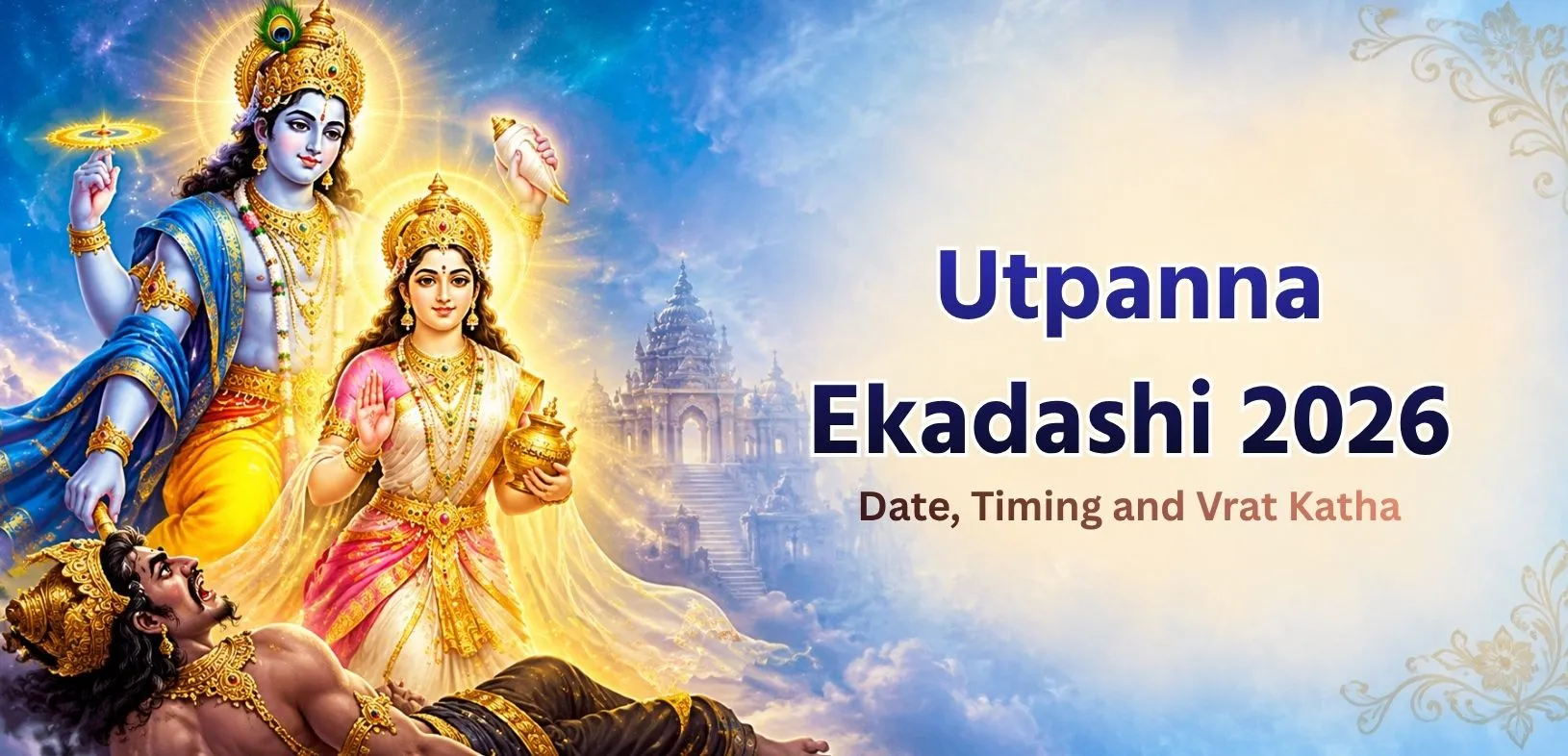
The Ekadashi fast is dedicated to Lord Vishnu. However, Utpanna Ekadashi holds special significance because it is believed to be an auspicious day to begin observing Ekadashi fasts. This sacred occasion inspires people to purify their minds and surrender themselves at the feet of the Almighty.
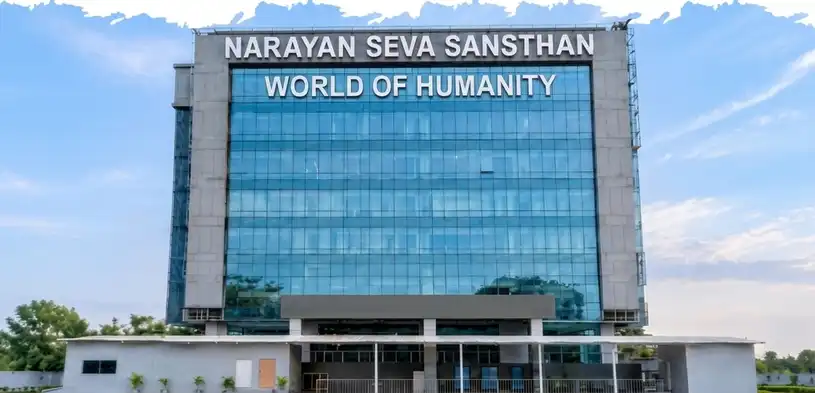
Narayan Seva Sansthan: A symbol of humanity, compassion and service, providing free treatment, surgeries, artificial limbs and opportunities for self-reliance to people with disabilities in need.
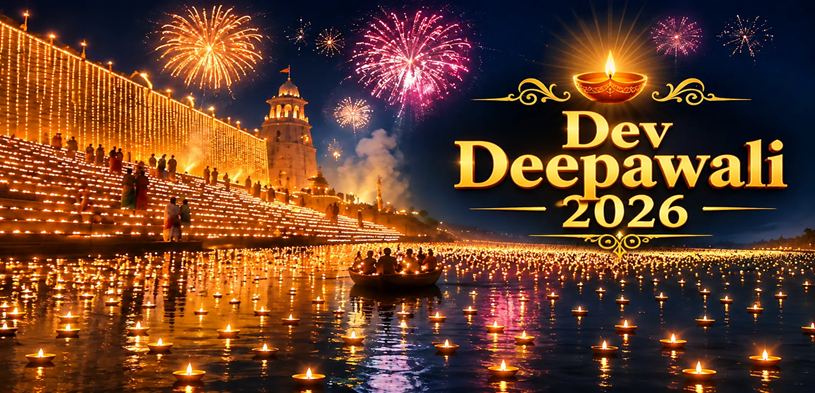
While Deepawali is a celebration of triumph over the profound darkness of the amavasya, Dev Deepawali is a celebration of the radiant peak of the purnima- a moment where human devotion and divine grace embrace.