- +91-7023509999
- 0294-6622222
- info@narayanseva.org
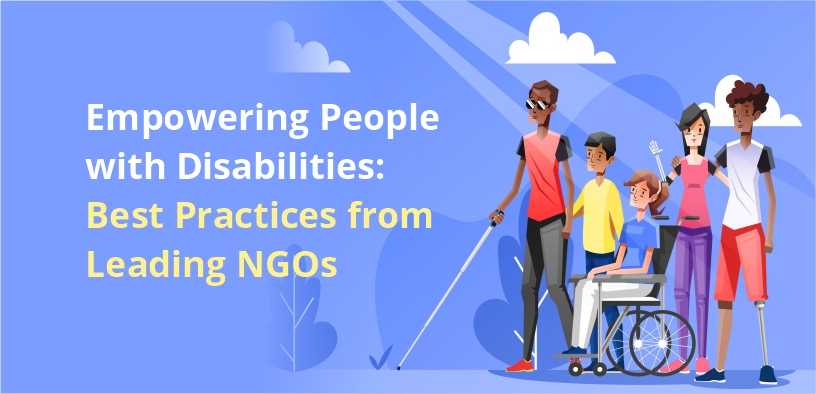
About 15% of the world’s population lives with some form of disability.
Despite this large number, many people with disabilities still face daily barriers. These barriers limit equal participation in society.
Many non-governmental organisations (NGOs) work to change this reality.
Their goal is to empower people with disabilities and promote inclusion in all areas of life.
This article explains the key strategies used by leading NGOs to support and empower people with disabilities.
NGOs such as Narayan Seva Sansthan (NSS) play a major role in empowering people with disabilities in India.
One of their most impactful initiatives is the free distribution of assistive devices.
These include prostheses, calipers, and mobility aids.
Mobility helps people gain independence. NSS conducts free distribution camps to ensure access for those in need.
Each device is fitted by trained professionals. Individual needs and comfort are carefully considered.
After fitting, NSS also provides physiotherapy and training sessions.
These services help individuals use the devices safely and effectively.
Awareness is the first step toward empowerment.
Many people are still unaware of disability rights and challenges.
NGOs promote awareness through:
These efforts help reduce stigma and build inclusive attitudes.
Accessibility is essential for inclusion.
Without it, participation becomes difficult.
NGOs promote universal design, which ensures that spaces and services work for everyone.
Narayan Seva Sansthan also supports accessible technologies for people with disabilities.
Education builds confidence and independence. Skill development opens doors to opportunity.
Leading NGOs support inclusive education by:
Vocational training and entrepreneurship programs also improve economic independence.
Employment is key to long-term empowerment. Meaningful work improves dignity and self-reliance.
Narayan Seva Sansthan works with employers to promote inclusive hiring.
They help businesses understand the abilities of people with disabilities.
Healthcare access is critical for well-being.
Many people with disabilities lack specialized services.
NGOs address this gap by providing:
Independent living allows people to control their own lives. Community support makes inclusion sustainable.
NGOs support:
Legal protection ensures equal rights. NGOs work with governments and institutions to improve disability laws.
They also monitor policy implementation to ensure real impact.
Partnerships strengthen impact. NGOs collaborate with:
These partnerships help create long-term and scalable solutions.
Technology improves independence and access. NGOs support innovation in assistive solutions.
Peer support builds confidence. It also reduces isolation.
NGOs create platforms where individuals can:
Self-advocacy training helps people speak up for their rights.
Inclusion also means access to culture and sports.
These activities improve mental and physical health.
These initiatives challenge stereotypes and highlight abilities.
Global collaboration improves learning and innovation. NGO share best practices through international networks.
Workshops, forums, and conferences support collective progress.
Empowering people with disabilities requires a holistic approach. No single solution is enough.
NGOs drive change through awareness, education, healthcare, employment, accessibility, and legal reform.
By supporting these efforts, we move closer to a truly inclusive society. Such inclusion benefits everyone and strengthens social development.
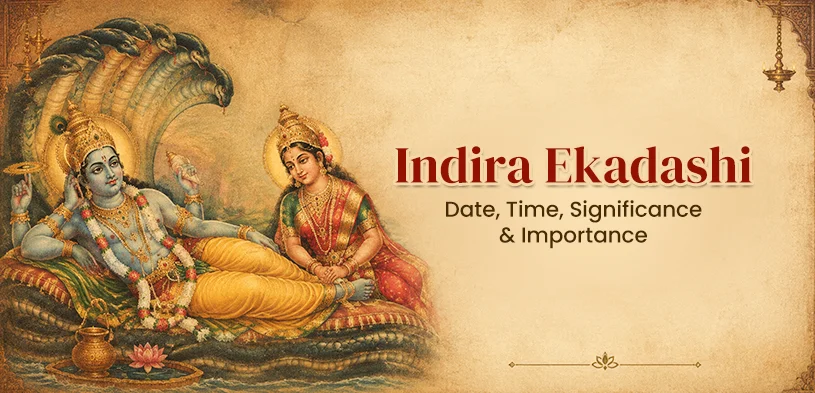
Indira Ekadashi, which falls during the Krishna Paksha of the Ashwin month, is one such meritorious tithi. As it occurs during Pitru Paksha, this day is specially associated with the worship of Lord Vishnu along with feelings of reverence and righteous deeds.
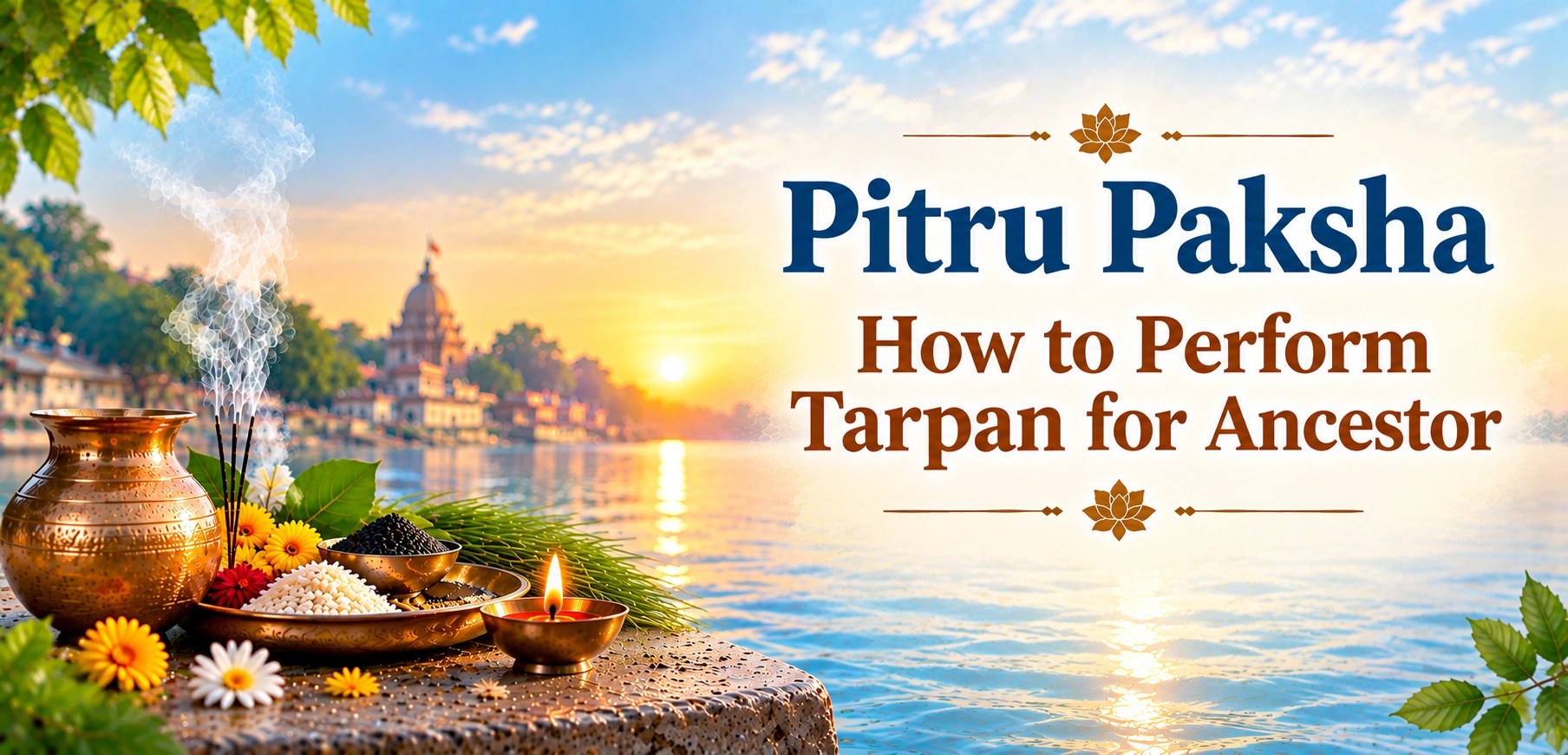
Our ancestors laid the foundation of the family through their lives, austerities, values, and good deeds. Pitru Paksha is the sacred opportunity to express reverence and gratitude towards them.
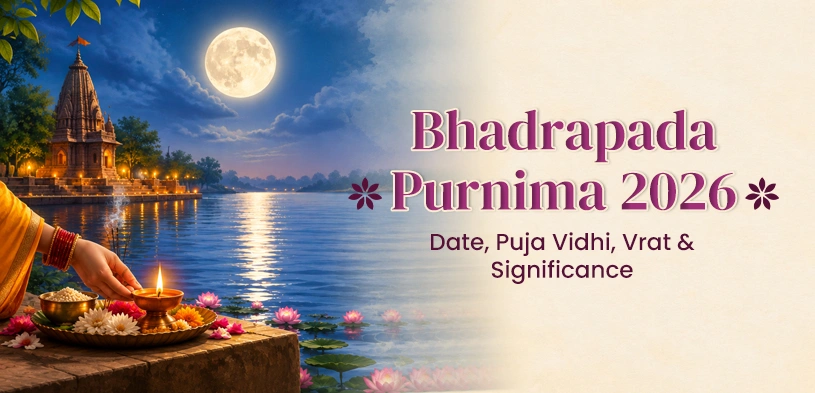
Bhadrapada Purnima 2026 falls on September 26. Discover its date, puja vidhi, vrat, Satyanarayan worship, Chandra Dev prayers, and the spiritual significance of charity and service.