- +91-7023509999
- 0294-6622222
- info@narayanseva.org
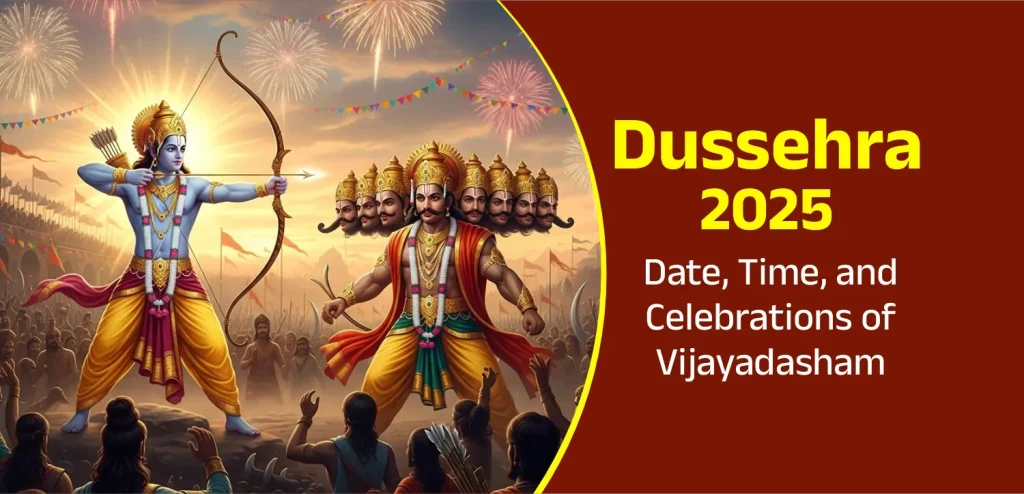
Vijayadashami, also known as Dussehra, is one of India’s most significant festivals. It symbolizes the victory of good over evil and carries deep spiritual and cultural importance.
In 2025, Vijayadashami will be celebrated on October 2. The festival marks the culmination of the nine-day Navaratri celebrations and sets the stage for the upcoming Diwali festivities.
This auspicious occasion is dedicated to Goddess Durga and Lord Rama. It commemorates their victories over evil forces, reminding devotees of the importance of righteousness, courage, and truth.
A key element of Vijayadashami is the spirit of giving. Many people engage in acts of charity, supporting those in need. Such acts are believed to invite blessings, prosperity, and positive energy into one’s life.
Ravan Dahan in 2025 will take place on October 2. The auspicious muhurat for puja is from 2:09 PM to 2:56 PM IST, while the effigy burning is traditionally performed after sunset.
The festival is deeply rooted in Hindu mythology, particularly the epic Ramayana. It celebrates Lord Rama’s victory over Ravana, symbolizing the triumph of righteousness over evil.
In many regions, large effigies of Ravana are burned, representing the destruction of negativity and ego. Vijayadashami also honors Goddess Durga’s victory over the demon Mahishasura, highlighting the power of good forces.
Ayudha Puja, observed during Navaratri, is especially significant in South India. It involves worshipping tools, instruments, and equipment used in daily life and professions.
People clean and decorate their tools and offer prayers for success and prosperity. This ritual reflects gratitude toward the resources that support livelihood and growth.
The celebration emphasizes respect for work and craftsmanship while strengthening community bonds.
Dussehra is celebrated in diverse ways across the country:
In North India, grand Ramlila performances depict the story of Lord Rama, ending with the burning of Ravana effigies.
In South India, families create decorative displays called Golu using dolls and figurines.
In Western regions, the festival includes folk dances, fairs, and community gatherings.
These regional variations add richness to the festival while promoting unity and shared cultural values.
Charity, or daan, holds great significance during Vijayadashami. Devotees believe that helping the less fortunate on this day brings spiritual merit and blessings.
Many people choose to contribute through donations, food distribution, or community service. These acts reflect compassion and reinforce the values of generosity and kindness.
Vijayadashami brings people together across communities. Celebrations include shared meals, cultural performances, and religious rituals that strengthen social bonds.
The festival also supports local art forms and traditions, ensuring they are preserved for future generations.
By participating in these celebrations, individuals not only honor cultural heritage but also contribute to a more inclusive and connected society.
Q. Which deities are worshipped during Vijayadashami?
Devotees worship Goddess Durga, Lord Rama, and Lord Ganesha, seeking blessings for strength, wisdom, and success.
Q. Why is donation important on this day?
Donation is believed to bring prosperity and spiritual merit. It reflects compassion and supports those in need.
Q. How does Dussehra promote unity?
The festival encourages community participation through cultural events, rituals, and shared celebrations, fostering harmony and togetherness.
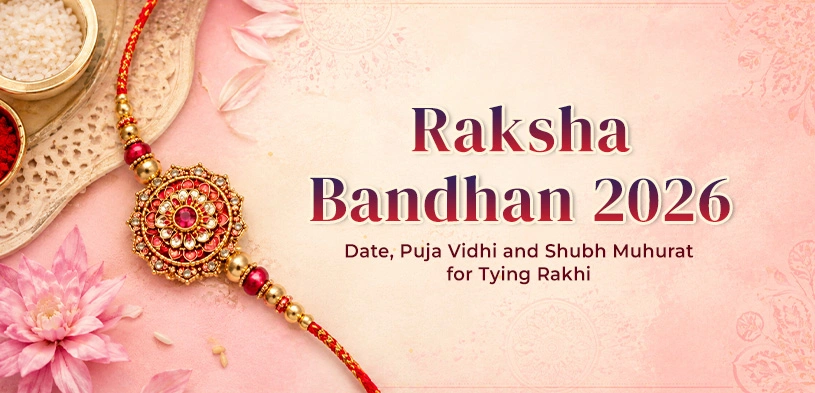
Raksha Bandhan is one such sacred festival. Celebrated on the full moon day of the holy Shravan Mass, this festival symbolizes the love, trust, and mutual devotion between brothers and sisters.
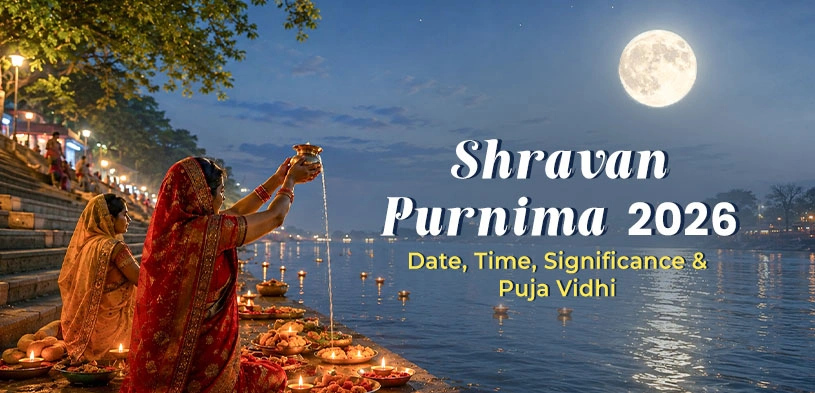
Shravan Purnima, which marks the conclusion of this sacred month, is a special festival that brings together devotion, faith, family love, and the spirit of service. On this day, worshipping Lord Shiva and Goddess Parvati is considered especially significant.
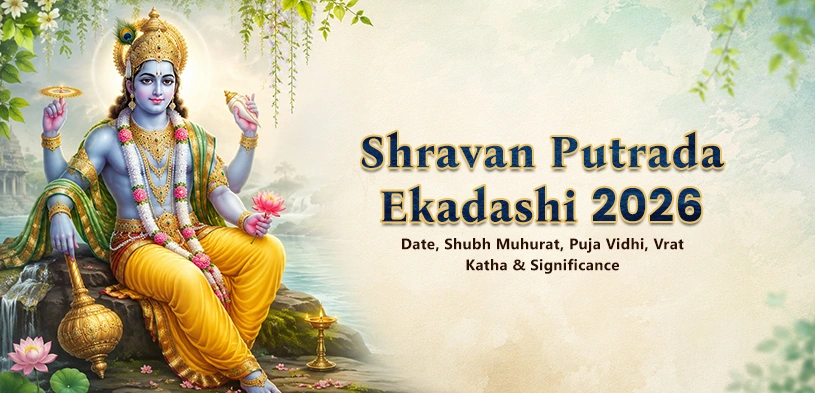
In Sanatan Dharma, Ekadashi Tithi is considered highly sacred for worshipping Lord Vishnu. Each of the Ekadashis observed throughout the year has its own religious significance. However, Putrada Ekadashi, which falls during the Shukla Paksha of Shravan Maas