In Sanatan Dharma, Pitru Paksha is considered a sacred period dedicated to remembering ancestors, expressing reverence, and showing gratitude toward them. During this period, people express their devotion to their ancestors through Tarpan, Shraddha, Pind Daan, and acts of charity. The final day of Pitru Paksha is known as Sarva Pitru Amavasya, which is considered an especially significant occasion to offer reverence and perform sacred deeds in memory of one’s ancestors.
Sarva Pitru Amavasya is dedicated to remembering all ancestors, especially those whose Shraddha Tithi is unknown or whose Shraddha could not be performed for some reason. Tarpan, Shraddha, and charitable acts performed with devotion on this day are traditionally considered especially auspicious.
Sarva Pitru Amavasya marks the concluding day of Pitru Paksha. According to religious beliefs, remembering one’s ancestors with devotion and performing Tarpan, Shraddha, and charity on this day expresses a sense of duty and gratitude toward them. This day is not merely an occasion for rituals but also a sacred opportunity to express gratitude toward our ancestors.
The values, family traditions, and rites we receive in life are part of our ancestral heritage. Therefore, serving people in need while expressing gratitude for these blessings is also considered a virtuous act.
Sarva Pitru Amavasya reminds us that devotion should not be limited to remembrance but should also be reflected through acts of service, compassion, and selfless charity. Therefore, on this sacred occasion, take a pledge to donate and serve according to your capacity.
In the Sanatan tradition, charity is considered one of the noble ways to perform virtuous and selfless service. Donations made during Pitru Paksha in memory of one’s ancestors are associated with devotion, gratitude, and the spirit of service.
While donating, one should not have feelings of pride or ego, but should give with reverence and gratitude. Using the abilities and resources God has blessed us with to bring food, hope, and happiness into the life of someone in need is also a form of service.
The Garuda Purana, in the Preta Kalpa (Dharm Kand), mentions the significance of performing Shraddha and related charitable acts for ancestors:
Ayuh Putran Yashah Swargam Kirtim Pushtim Balam Shriyam.
Pashun Saukhyam Dhanam Dhanyam Prapnuyat Pitru-Pujanat.
It means that performing Shraddha and related rituals in honor of one’s ancestors is traditionally believed to bring blessings such as long life, children, fame, prosperity, good health, strength, wealth, happiness, and abundance.
On Sarva Pitru Amavasya, donate food, grains, clothing, and essential items according to your capacity. Make this sacred occasion meaningful by extending your support to people who are needy, underprivileged, and differently-abled.
Food is regarded as the foundation of life in the Sanatan tradition, and feeding others is considered one of the noblest forms of charity. Providing food to someone who is hungry is not merely a donation but a sacred opportunity to serve humanity.
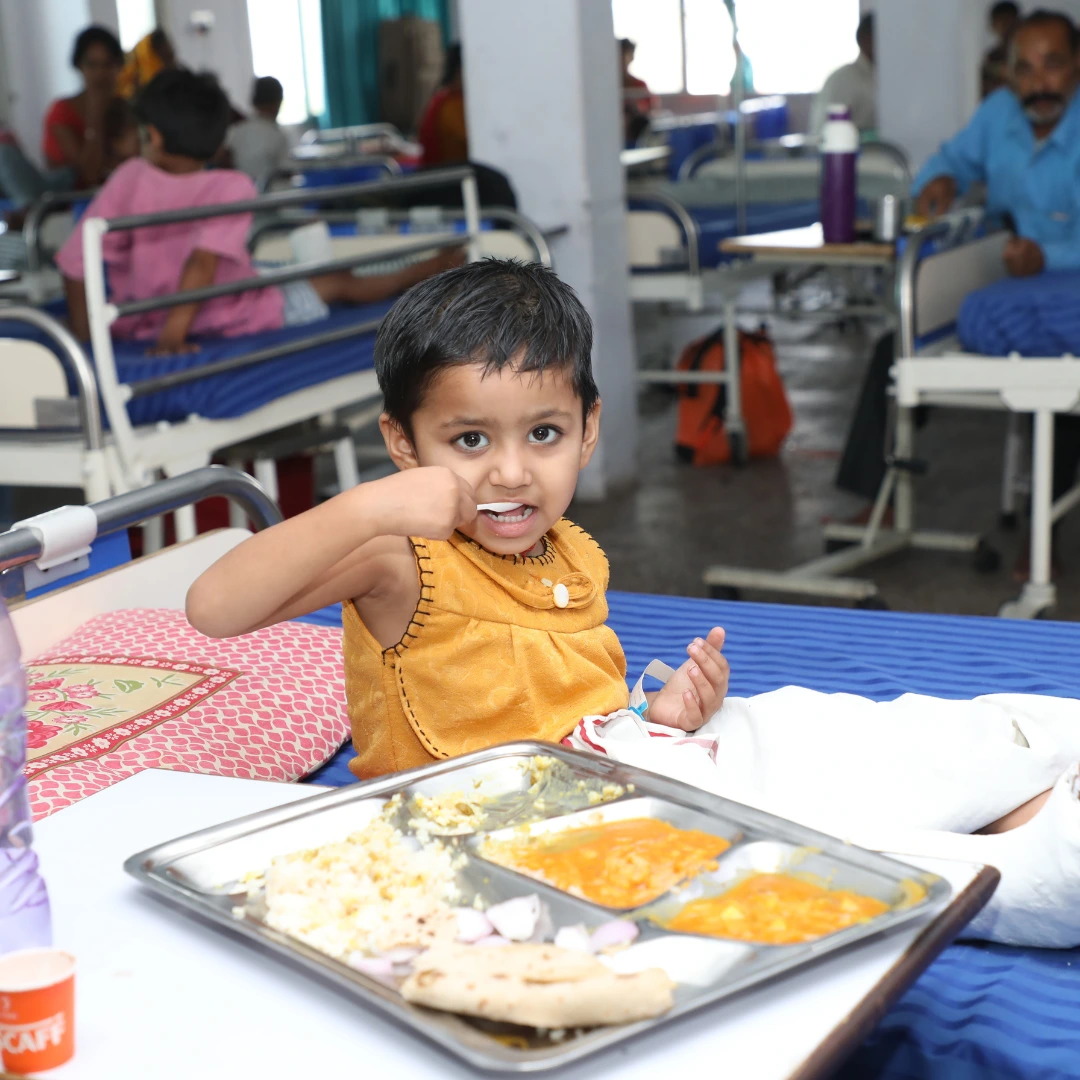
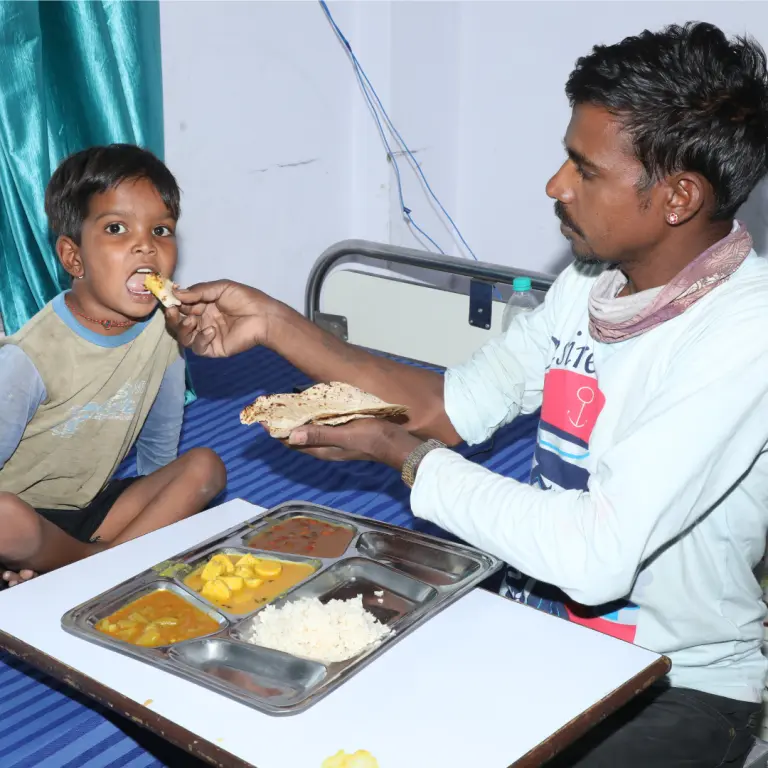
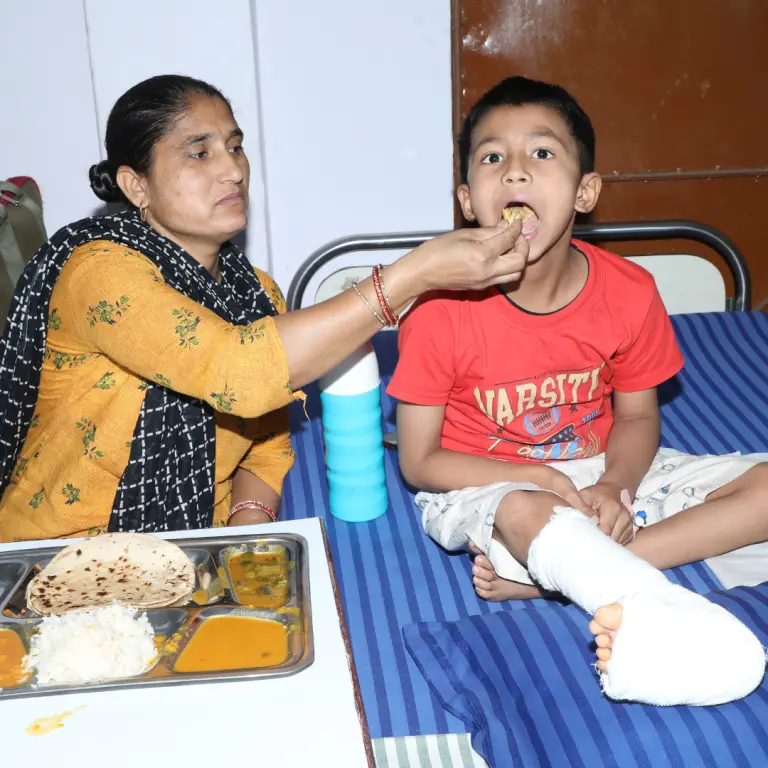
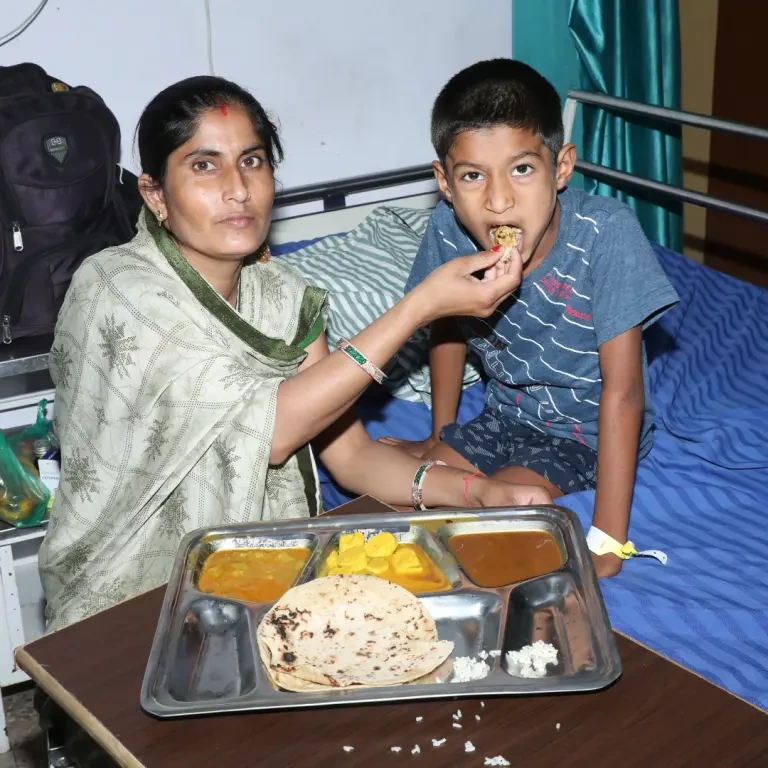
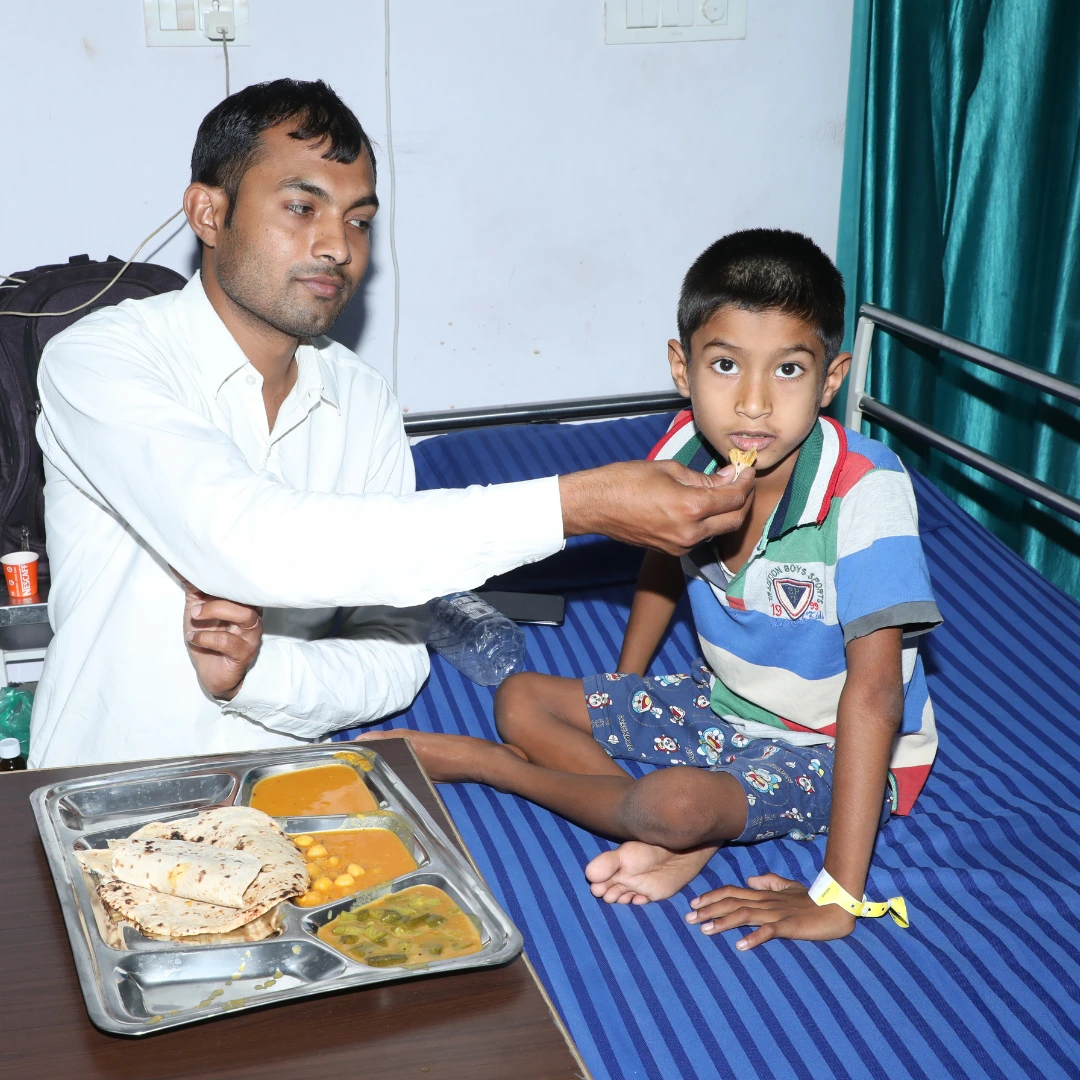
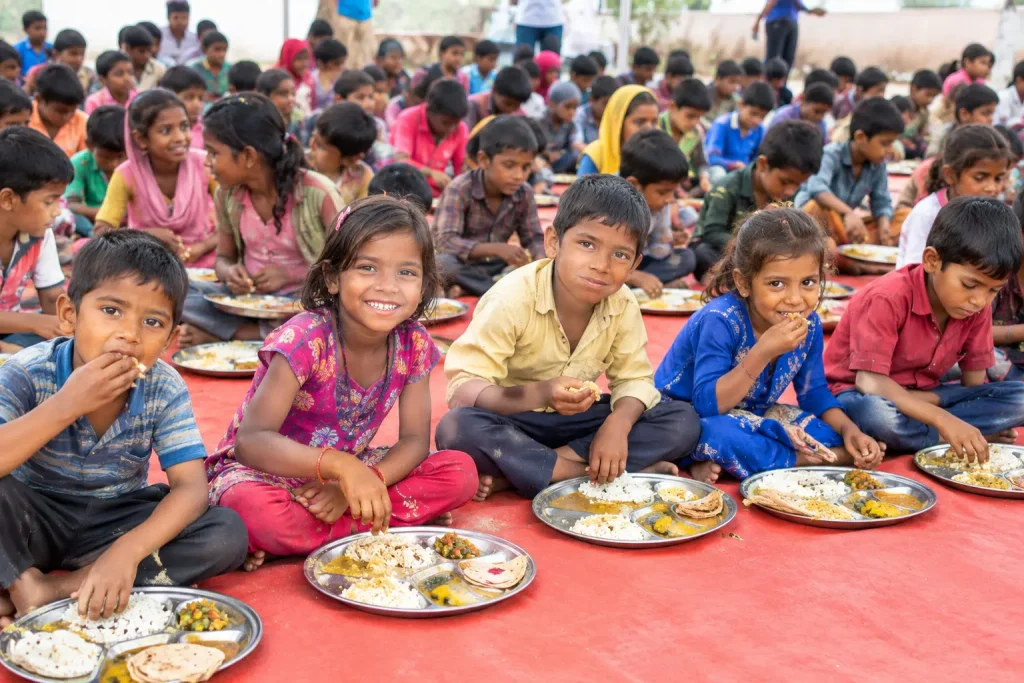
This Sarva Pitru Amavasya, support the food service initiative of Narayan Seva Sansthan for needy, underprivileged, and differently-abled children in memory of your ancestors. Turn the remembrance of your loved ones into a meaningful commitment to service.
Offer food with devotion and help bring care, satisfaction, and happiness into the lives of children in need. Remember your ancestors with reverence, take a pledge to serve, and dedicate this sacred occasion of Sarva Pitru Amavasya to the service of humanity.
Your donation will help provide food to differently-abled children.