- +91-7023509999
- 0294-6622222
- info@narayanseva.org
Many people in India need medical help that they simply cannot afford. Not because the treatment doesn’t exist – it does. All the problems occur because money isn’t there.
This is not a small problem. Millions of families across the country are living with untreated conditions, waiting for a surgery that keeps getting pushed further away. Some have been waiting for years. Some have stopped waiting altogether.
If you have ever wanted to do something for them, choosing to donate for medical treatment is one of the most direct ways you can help.
When someone from a middle-class family gets sick or injured, they go to a hospital, get treated and come home. It’s not always easy or cheap, but it’s possible. They have options.
For families, earnings come from daily wages, and the same situation looks very different. A surgery that costs around 30k to 50k is simply not an option. They borrow money, delay treatment, hoping things improve on their own, or give up easily and learn to live with the condition.
Having access to medical treatment changes everything – a disabled person can work, walk again, take care of their family, and go to work. When a person doesn’t get the treatment, it doesn’t just affect them. It affects their children, their parents, and everyone who depends on them.
The problem is that treatment is available, but because of the high cost, families can’t reach it- financially or otherwise. That gap is what donations for the medical treatment help fill, and it’s why supporting medical programs run by NGOs matters.
Corrective surgeries are performed to treat congenital disabilities, clubfoot, deformities, injuries, or medical conditions that affect physical movement and body function. Many people are living with such conditions. And these conditions are fully treatable.
For children, early corrective surgeries can support proper growth and development. They can go to school, play games, enjoy their childhood full of fun, laughter and love. And while doing studies, they can also focus on growth opportunities. ‘’
For adults, a corrective surgery can mean getting back to work, moving without constant pain, or simply not having to depend on others for daily basic tasks. Many adults have been managing conditions for so long that they have accepted the limitations as permanent. In a lot of cases, they are not.
Thousands of people in India lose limbs every year in road accidents, at field sites, in agricultural accidents, or due to conditions like diabetes. Losing a limb changes everything about how a person lives, works, and gets through the day.
A prosthetic or orthotic device can help someone get back to a normal life. But the cost of a good prosthetic is often anywhere from ₹10000/- to several lakhs, depending on the type, which puts it completely out of reach for most low-income families.
NGOs running artificial limb distribution programs, such as camps, provide these devices free of cost to people who need them. These camps include prosthetic legs and arms, callipers, crutches and other assistive devices. The fitting process also matters to fully fitted prosthetics can cause more harm than good, which is why experienced staff and proper follow-up are part of a good program.
A properly fitted prosthetic limb means someone can walk again, work again, and take care of their family again. It gives back something that was taken from them, not just physically, but in terms of confidence and freedom too.
Surgery is one part of the process. What happens after Matters just as much, and this is where a lot of programs fall short.
Physiotherapy, follow-up checkup, wound care, nutrition support, and guidance for the family are all part of proper recovery. Without rehabilitation, even a successful operation may not deliver the results it should. A patient who doesn’t get the right post surgery may not regain full movement. They may develop complications. They may end up back in hospital within months.
Rehabilitation is also about helping patients adjust to life after treatment. Someone who has received a prosthetic limb, for example, needs time and support to learn how to use it properly. A child who has had corrective surgery may need physiotherapy for months before they are moving normally. These aren’t optional extras – they are part of what makes the treatment work.
Post surgery care and rehabilitation programs make sure that the investment made in an operation doesn’t go to waste. They are often underfunded because they are less visible than the surgery itself. But for the patient, they can make the difference between a full recovery and a partial one.
Through medical examination, they find out they need surgery. Ask about the cost, then go home and try to figure out how to arrange the money. Sometimes they sell something. Sometimes they borrow from relatives or local money lenders at steep interest rates.
A lot of times, they never come back for the treatment
It’s not a lack of will or awareness, these are people managing difficult lives with very little margin for anything extra. A medical emergency pushes a family into debt, and they spend years recovering from it. And when you are already stretched thin, taking time off work for surgery, travelling to a hospital, and weeks of recovery can feel impossible even if the surgery itself were free.
There’s also the issue of information. Many patients in rural or semi-urban areas don’t know what treatment options are available to them, or don’t know that NGOs exist who can help with the cost. By the time they find out, the condition has often worsened.
This is why free or subsidised medical treatment programmes matter. And this is why those who donate for medical treatment are filling a gap that would otherwise go unfilled.
When someone donates for medical treatment, the money goes towards specific things:
None of this happens without funding and you. The NGOs running these programs rely almost entirely on donations from individuals and organisations who care enough to contribute. Government support exists in some areas, but it doesn’t reach everyone, and it often doesn’t cover the full cost of care.
A single help can be the reason someone gets a surgery they have been waiting years for. When many people give what they can, it adds up to something significant.
Donation for medical treatment to an NGO is the best and most measurable way to give. You can see the results – number of surgeries funded, limbs distributed, and patients who completed rehabilitation. There’s no doubt about where the money went or what it did.
The impact also lasts for a long time. A corrective surgery done once can improve someone’s quality of life for decades. A prosthetic limb given to a working-age adult can restore their earning capacity for years. Rehabilitation support reduces the risk of complications and repeat hospitalisation, which means the initial investment goes further.
For regular donors, it means being part of something continuous, not a single event, but an ongoing program that helps new patients every month. Many NGOs also offer updates on the patients supported through their programs, so donors can see the direct result of their contribution.
Once you have found an organisation you trust, contributing is easy. You can make a one-time donation, set up a monthly contribution, or, in some cases, sponsor a specific surgery or rehabilitation program. Most registered NGOs in India also provide 80G exemption certificates, so your donation is eligible for a tax deduction.
Medical treatment programs work because many people give what they can, and it adds up to something that genuinely helps.
If you have been thinking about donating for medical treatment but weren’t sure where to start, find one trusted NGO, make one contribution, and look at the work they are doing. Most of them share patient stories and program updates that show exactly where the money goes and who it’s helping.
Someone who is in pain is waiting for a surgery they can’t afford. Your donation might be what makes it happen
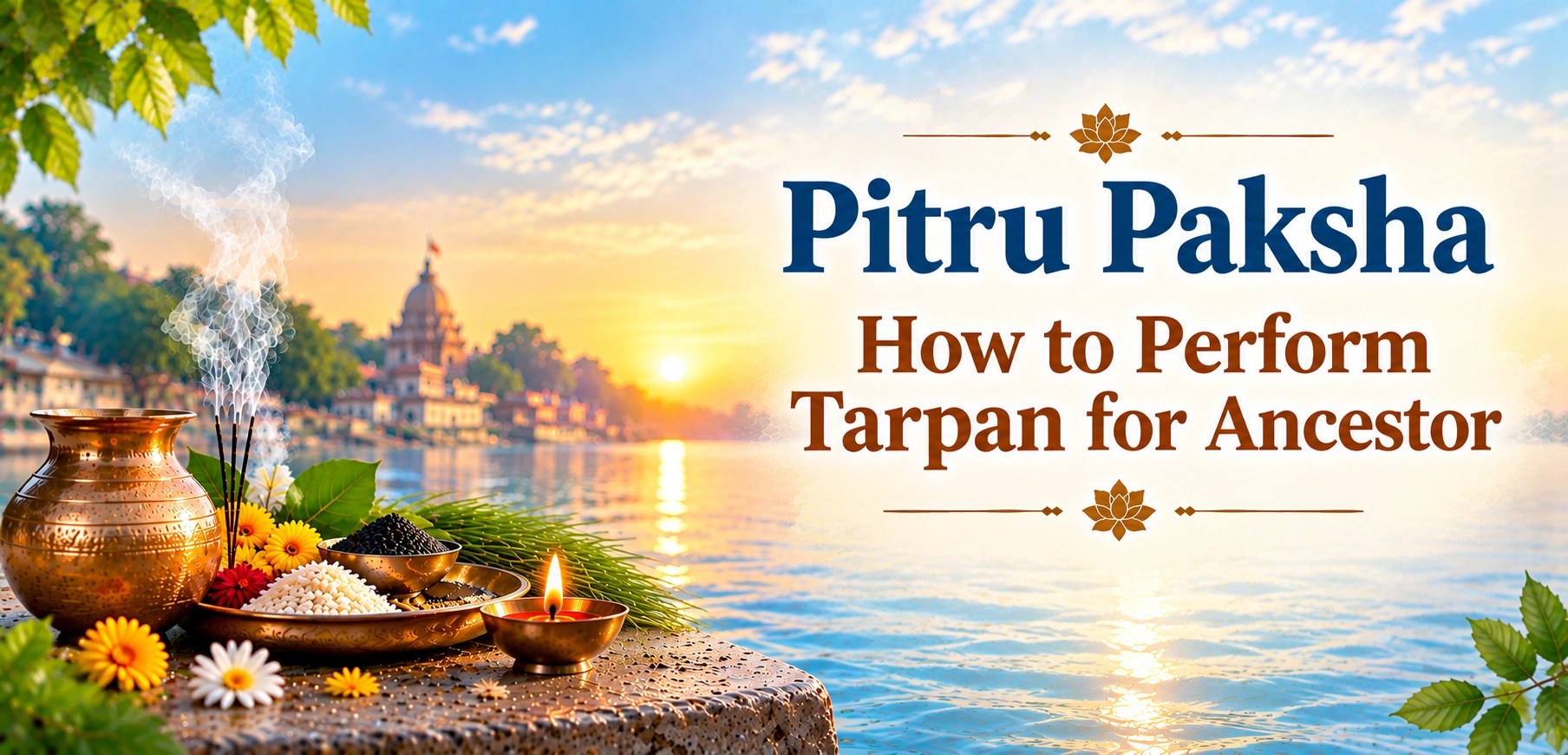
Our ancestors laid the foundation of the family through their lives, austerities, values, and good deeds. Pitru Paksha is the sacred opportunity to express reverence and gratitude towards them.
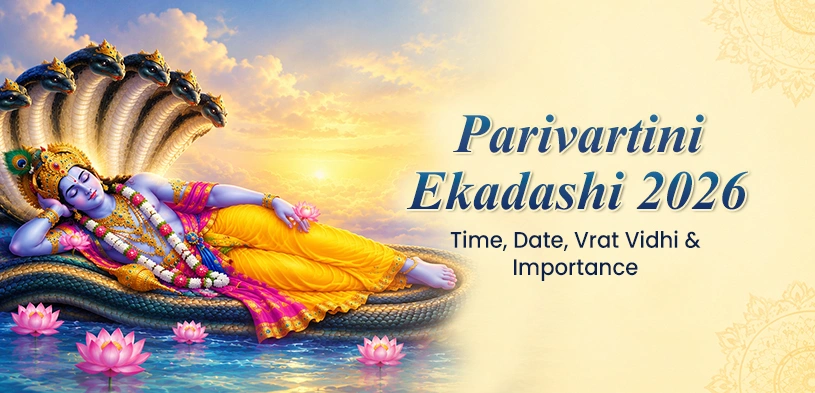
Parivartini Ekadashi of the Shukla Paksha of Bhadrapada holds special importance. It is also known as Padma Ekadashi, Parshva Ekadashi and Dol Gyaras.

In the year 2026, Shradh Paksha (Pitru Paksha) will begin on 26 September 2026 and end on 10 October 2026 with Sarva Pitru Amavasya. During this sacred period, followers of Sanatan Dharma can perform Shradh, Tarpan and other rituals for their ancestors according to the respective tithi.