- +91-7023509999
- 0294-6622222
- info@narayanseva.org
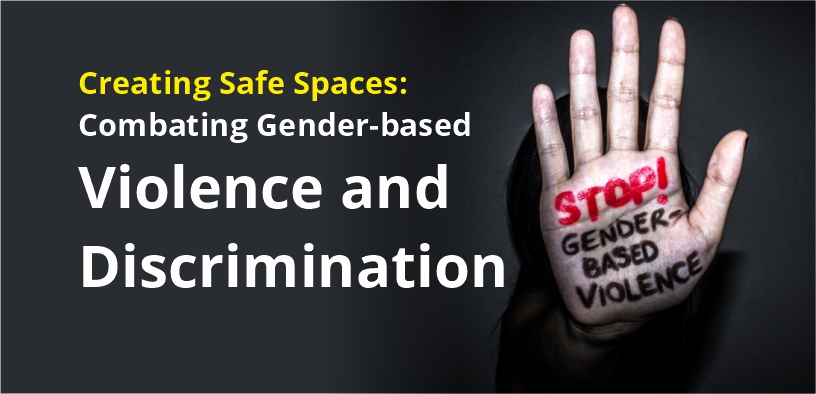
Gender-based violence and discrimination are serious issues faced by women in many societies, including India. To tackle these challenges, it is important to create safe spaces that provide protection, support, and empowerment.
One organization making a difference is Narayan Seva Sansthan, a well-known non-profit in India.
These issues affect people worldwide, across cultures, societies, and economic classes. They can cause physical, emotional, and psychological harm. Understanding the causes is key to creating effective solutions.
Gender-based violence is rooted in social, cultural, economic, and institutional factors. Tackling it requires:
Action is needed at the individual, community, and societal levels. Together, we can build a safer and fairer society.
Traditional gender roles assign power to men and submission to women. This imbalance can lead to violence as a way to maintain control.
Cultural practices like child marriage, honor killings, and female genital mutilation reinforce violence. Social stigma often prevents victims from seeking help.
Limited access to education and jobs makes women more vulnerable. Empowering women economically reduces the risk of violence.
Abusers often use violence to assert power in relationships. This stems from insecurity, entitlement, or harmful views of masculinity.
Weak laws and poor enforcement fail to protect victims. Biases and victim-blaming in the justice system make it harder for survivors to get help.
Media often reinforces harmful gender stereotypes. Objectification of women and promotion of toxic masculinity normalize violence.
Creating safe spaces requires tackling the root causes of violence and discrimination. Key strategies include:
Engage community leaders, religious groups, and grassroots organizations to challenge harmful norms and promote gender equality.
Creating safe spaces is essential for combating gender-based violence in India. Organizations like Narayan Seva Sansthan provide support, empowerment, and opportunities for women.
By addressing root causes and engaging communities, we can create a safer and fairer society. Continued awareness, collaboration, and action are key to ending violence and discrimination.
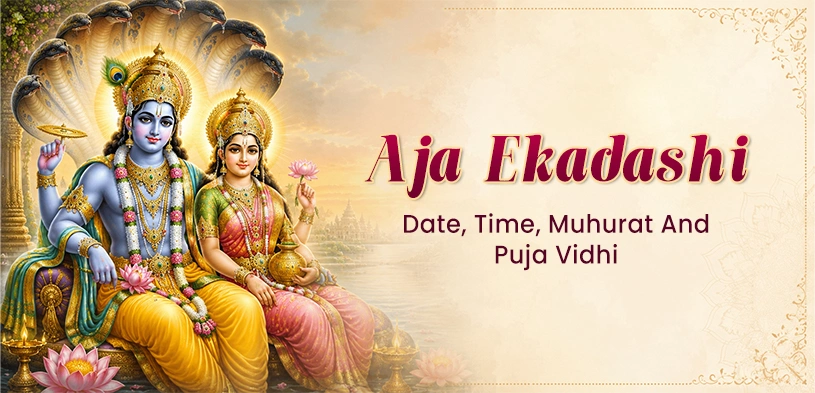
In Sanatan Dharma, Ekadashi Tithi is considered highly sacred for worshipping Lord Vishnu. Each Ekadashi observed throughout the year has its own religious significance. The Ekadashi that falls during the Krishna Paksha of the Bhadrapada month is known as Aja Ekadashi.

Shri Krishna Janmashtami is celebrated as the birth festival of Lord Shri Krishna. It is also known as Shri Krishna Janmotsav and Gokulashtami. On this day, special prayers, bhajans, kirtans, and religious ceremonies are organized at Krishna temples across the country, including Mathura, Vrindavan, Gokul, and Dwarka.

Raksha Bhandan is holy festival of brother and sister love. It is celebrated all around the India. This festival beautifully express the depth of relationships and the values of life.