- +91-7023509999
- 0294-6622222
- info@narayanseva.org
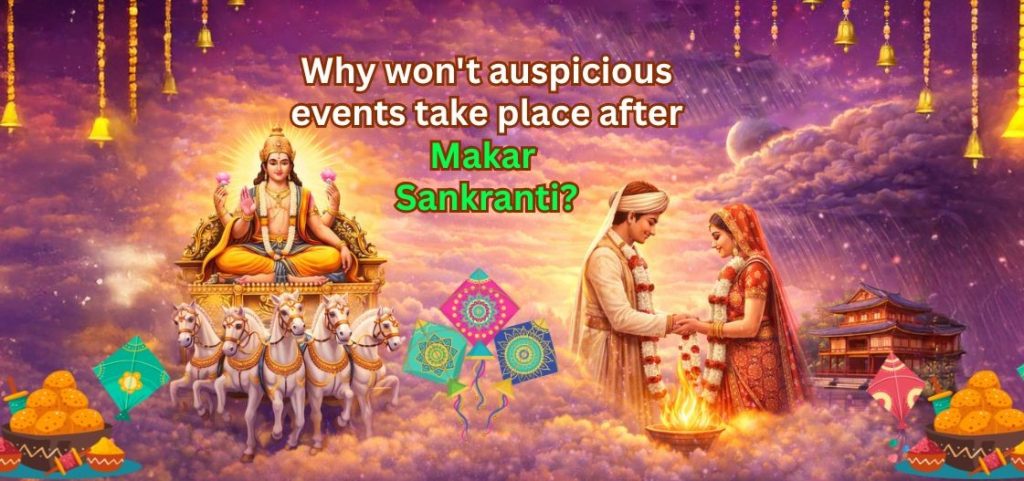
In Hinduism, the accuracy of time and the position of the planets and stars are considered of special importance. Any auspicious or auspicious event, such as marriage, housewarming, tonsure, and the sacred thread ceremony, are performed only after observing the auspicious time. Under these rules, a special period is established, known as Kharmas. This period is considered suitable for meditation and introspection, while it is prohibited for auspicious activities.
According to astrology, Kharmas begins when the Sun enters Sagittarius or Pisces. This year, Kharmas began at 1:24 pm on December 16th. This has put a halt to marriages and other auspicious ceremonies. This period will last until the night of January 14th, 2026.
Religious belief holds that the Sun’s energy diminishes during this period. The Sun God is considered a factor of brilliance and vitality. When the Sun is weak, this time is not considered favorable for auspicious and auspicious events. For this reason, auspicious rituals like marriage, mundan (head shaving ceremony), house warming ceremony, and sacred thread ceremony are not performed during this period.
Generally, the Sun God enters Uttarayan on Makar Sankranti, and Kharmas is considered to end with it. Uttarayan is considered the day of the gods, and therefore, it is considered a very auspicious period. However, this year the situation is different.
This time, due to the setting of Venus, marriages and other auspicious events will not be able to begin even after Makar Sankranti (January 14, 2026). According to astrology, Venus set on December 11, 2025. Venus is considered a major factor in love, marital happiness, prosperity, and marital life. When Venus sets, rituals like marriage do not yield auspicious results. For this reason, although the Sun will move northward this year, auspicious events will remain prohibited due to Venus’s setting.
Venus will set for approximately 53 days and will rise again on February 1, 2026. According to religious and astrological beliefs, a planet’s auspicious effects are considered fully realized three days after its rising. Therefore, this year, the ban on auspicious events will be lifted on February 4, 2026.
That is, Kharmas began on December 16, 2025, and will end on January 14, 2026. Venus will rise on February 1, 2026, and marriages and other auspicious events will resume on February 4, 2026.
Although auspicious events are prohibited during Kharmas, this time is considered highly auspicious for religious practices and virtuous deeds. According to scriptures, during this period, worshipping Lord Vishnu and Suryadev, donating, chanting, performing austerities, and serving them; listening to stories, singing hymns, and meditating; and serving the poor, the helpless, and the disabled, all bring special merit.
This period reveals that life requires not only action but also restraint and spiritual practice along with action. This period conveys the message of inner purification and self-improvement rather than external celebrations. Marriages and other auspicious events may require a little longer, but this period is highly fruitful from a religious perspective.
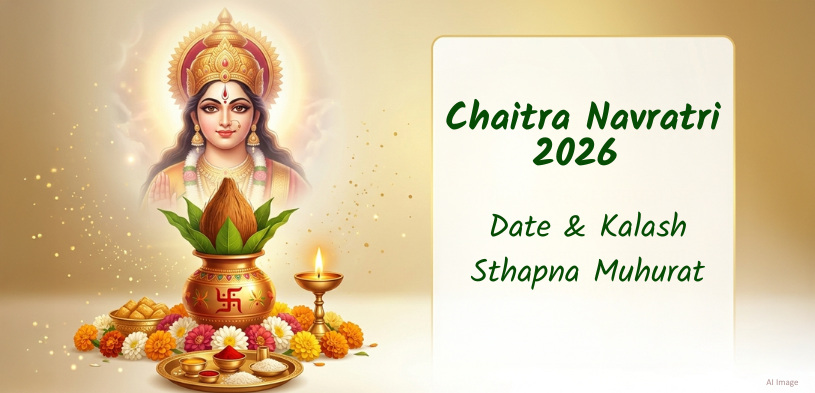
Chaitra Navratri 2026: This sacred nine-day ritual begins on March 19th and continues until March 27th. The auspicious time for Ghatasthapana is from 6:52 am to 7:43 am. Receive the blessings of Goddess Durga through the Kalash Sthapana ritual and Kanya Pujan.

Claim up to 50% or 100% tax deduction on donations under Section 80G—available only in the Old Tax Regime. No benefits on cash donations above ₹2,000; Form 10BE is mandatory.
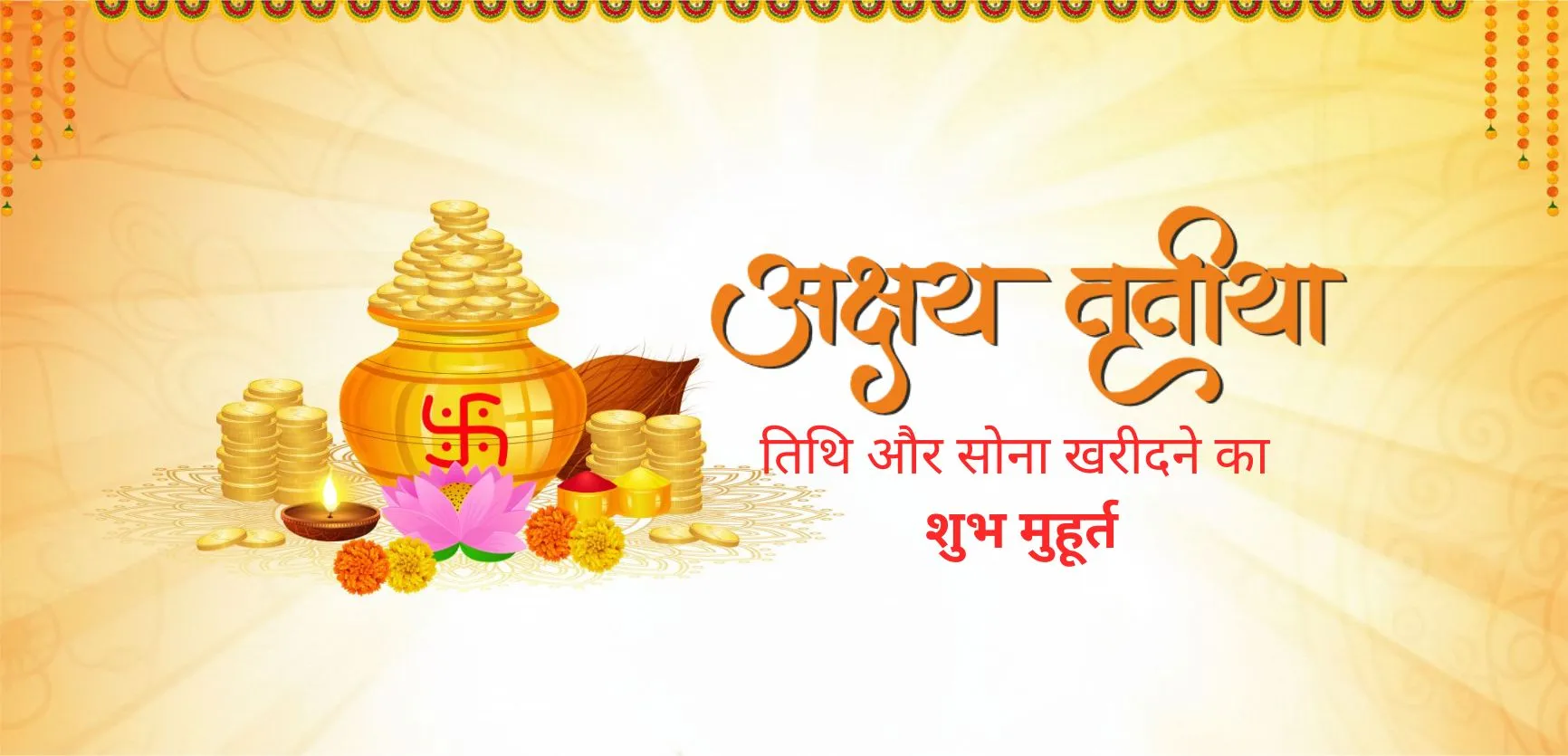
अक्षय तृतीया, जिसे आखा तीज भी कहते हैं, वैशाख शुक्ल तृतीया को मनाया जाता है और इस दिन किए गए दान, जप, तप एवं शुभ कार्य अक्षय (अनंत) फल देते हैं। 19 अप्रैल 2026 को पड़ने वाला यह अबूझ मुहूर्त पर्व परशुराम जयंती, गंगा अवतरण, अक्षय पात्र कथा से जुड़ा है, जहाँ सोना खरीदना, लक्ष्मीनारायण-कुबेर पूजा और दान से जीवन में सुख-समृद्धि अक्षय बनी रहती है।