- +91-7023509999
- 0294-6622222
- info@narayanseva.org
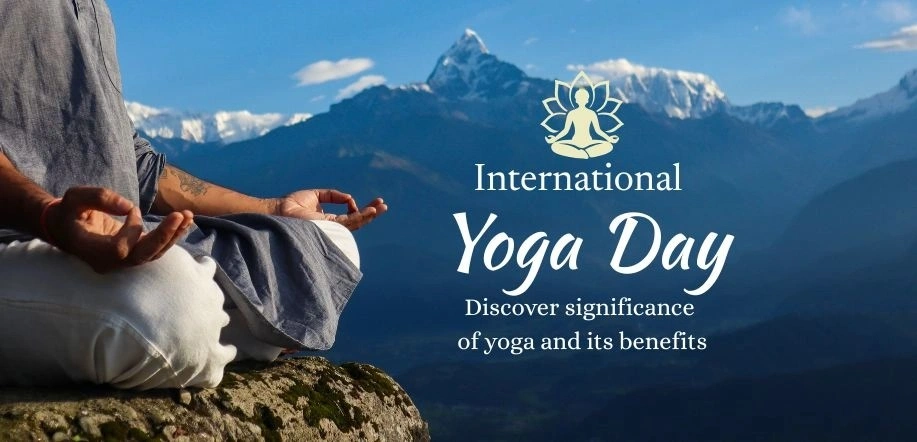
India’s ancient Sanatan culture has bestowed many invaluable gifts upon the world, among which Yoga stands out as the most significant and timeless. Today, as the entire world grapples with stress, a hectic pace of life, mental unrest, and physical ailments, Yoga has emerged as a beacon of light, offering balance, health, and spiritual advancement to human life.
This is why International Yoga Day is celebrated with great enthusiasm across the globe every year on June 21st. Yoga is not merely physical exercise; it is a divine practice that guides life in the right direction. It shows us the path to connect with our inner selves, with nature, and ultimately, with the Divine.
The word ‘Yoga’ is derived from the Sanskrit root ‘Yuj,’ which means to join or unite. Yoga signifies establishing harmony among the body, mind, intellect, and soul. It is a state wherein a person experiences inner peace and balance, remaining unaffected by external circumstances. Indian sages recognized the power of Yoga thousands of years ago.
They explained that the state of Yoga is attained when the mind, Prana (vital life force), and senses become focused and established within the soul. For this reason, Yoga is regarded not merely as a physical activity but as a medium for spiritual awakening.
Defining Yoga, the Maitrayani Upanishad states:
Katvam pranamanasorindriyanam tathaiva cha.
Sarvabhava parityago yoga ityabhidhiyate.
This means that Yoga is the unification of the vital force (Prana), mind, and senses; the attainment of a state of single-pointed focus; the withdrawal of senses from external objects to merge them into the mind and the mind into the soul; and the stabilization of the vital force.
Yoga holds a special place in India’s Vedic tradition. Detailed descriptions of Yoga are found in great scriptures such as the Vedas, Upanishads, Shrimad Bhagavad Gita, and the Yoga Sutras. In the Gita, Lord Krishna has described Yoga as the supreme art of living.
It has been said—
Yogaḥ karmasu kauśalam
This means that performing actions with skill and mindfulness is Yoga. Yoga teaches us how to face life’s circumstances with a balanced mind. It is a way of living that strengthens a person from within.
Maharshi Patanjali described Yoga as a path to liberation from the sorrows of human life. He held the clear view that the purpose of Yoga is to prevent the suffering that might arise in the future.
Negative emotions such as anger, greed, jealousy, hatred, anxiety, and despair disturb human life. Yoga possesses the ability to transform these emotions into positive energy. Regular practice of Yoga stabilizes the mind, purifies thoughts, and instills new hope in life.
The tradition of Yoga is considered to be over five thousand years old. Evidence found in the remains of various civilizations in India includes depictions of figures seated in yogic postures. This makes it clear that Yoga has been an integral part of Indian life since the early days of human civilization.
The word ‘Yoga’ is mentioned in the Rigveda, while the Upanishads describe its profound spiritual nature. Later, Maharshi Patanjali composed the Yoga Sutras, giving Yoga a systematic and scientific structure. The principles he propounded are still considered the foundation of Yoga worldwide today.
Indian philosophy outlines various forms of Yoga, among which four major paths are particularly significant:
1. Bhakti Yoga: Bhakti Yoga is the path of love, reverence, and surrender. In this path, the seeker undertakes a spiritual journey with complete faith in and love for the Divine. It purifies the heart and sanctifies emotions.
2. Jnana Yoga: This is the path of self-knowledge and the search for truth. Jnana Yoga inspires individuals to recognize their true nature and dispels the darkness of ignorance.
3. Karma Yoga: Karma Yoga conveys the message of selfless action. In this path, an individual performs their duties without selfishness or the expectation of rewards. It renders life meaningful and balanced.
4. Raj Yoga: Raja Yoga is the supreme practice for mastering the mind and consciousness. It paves the way for spiritual advancement through meditation, Pranayama (breath control), and Yogasana (physical postures).
According to Ayurvedic and Yogic scriptures, Brahma-muhurta (the pre-dawn period) or the early morning hours are considered the most suitable times for yoga practice. During this time, the atmosphere is pure, the mind is calm, and the energy is positive.
However, given the busy nature of modern lifestyles, yoga can be practiced at any time—morning or evening. The most important thing is consistency. Practicing yoga on an empty or lightly fed stomach is considered more beneficial.
Yoga not only promotes physical health but also impacts every aspect of life. Some of its key benefits include:
• Makes the body flexible, strong, and energetic.
• Reduces mental stress and depression.
• Enhances concentration and memory.
• Fosters positive thinking and self-confidence.
• Strengthens the immune system.
• Keeps the heart, lungs, and digestive system healthy.
• Induces a sense of peace and joy in the mind.
• Fills the individual with feelings of love, compassion, and tolerance.
International Day of Yoga is a global movement towards a healthy and balanced life, showing all of humanity the path to health and peace.
Today, there is a need to ensure that we do not limit yoga to just one day do not limit it; instead, make it a part of your daily life. By dedicating some time each day to yoga, pranayama, and meditation, we can bring about positive changes in our lives.
Yoga is that divine practice—uniting body, mind, and soul—which leads humanity towards wholeness. It is not merely a means to be free from ailments but a path that fills life with joy, peace, and spiritual growth.
On this International Yoga Day, let us pledge to make yoga a part of our daily routine and move towards a healthy, happy, and balanced life; for yoga is a sacred journey that connects us to supreme consciousness.
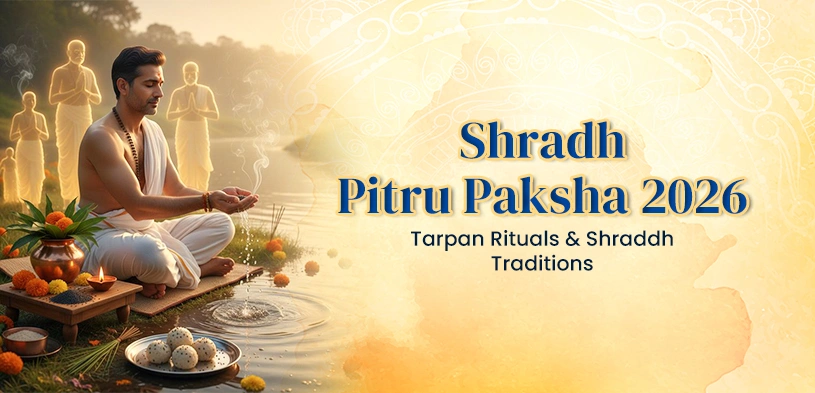
In the year 2026, Shradh Paksha (Pitru Paksha) will begin on 26 September 2026 and end on 10 October 2026 with Sarva Pitru Amavasya. During this sacred period, followers of Sanatan Dharma can perform Shradh, Tarpan and other rituals for their ancestors according to the respective tithi.
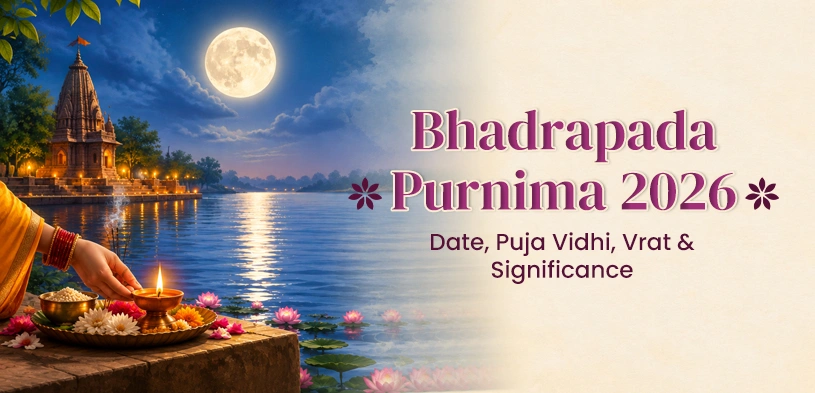
Bhadrapada Purnima 2026 falls on September 26. Discover its date, puja vidhi, vrat, Satyanarayan worship, Chandra Dev prayers, and the spiritual significance of charity and service.

Bhadrapada Amavasya holds special spiritual significance in the Hindu Panchang. This sacred day is considered highly auspicious for self-reflection, remembering ancestors, offering Tarpan, taking a holy bath, and performing charity.