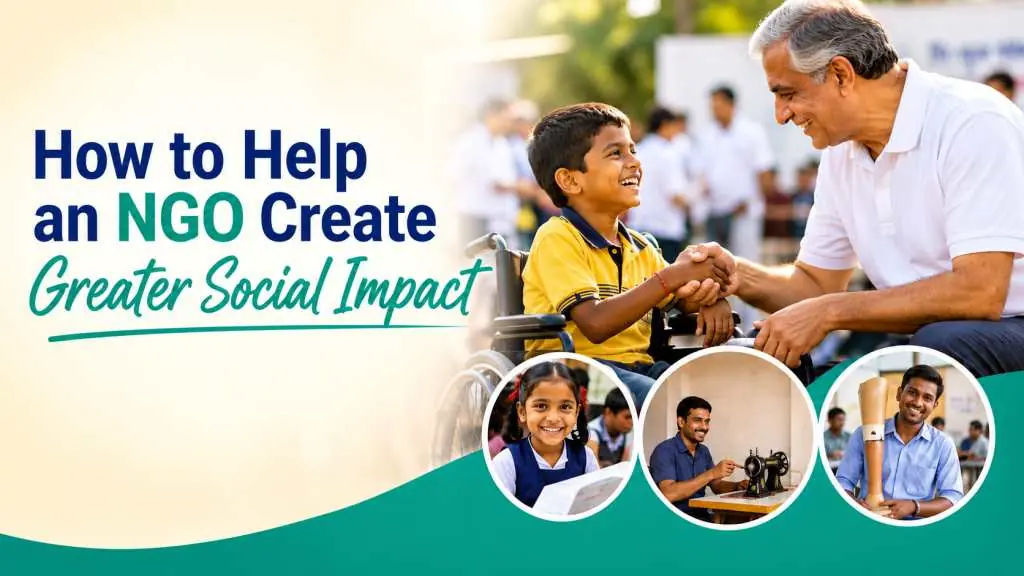
Most NGO are not short on passion. They are short on hands, money, and reach. Ask anyone who’s worked at one, and they will tell you the mission is rarely the hard part — sustaining it is. Ideas are cheap. Follow-through, funding, and consistent support are what actually keep a program running long enough to change something.
That’s where the rest of us come in.
You don’t need to start your own foundation or hand over a huge sum to matter here. Whether it is an NGO donation, a few hours a month, a good social post, or a small regular donation, it can really expand an NGO’s reach. Some people don’t know that their consistent support can change someone’s life. Volunteering or a monthly donation can help an NGO plan and continue its work over time. If you are looking for an NGO, here are five easy steps to make your donation worthwhile. Each action creates real change in its social impact.
Donate to strengthen an NGO’s social impact.
How can you strengthen NGO impact?
There are many ways to support, but the most common way is financial support. But it doesn’t have to be a big one. Even the smallest amount of regular help can change things. It helps NGO plan their work and support people consistently. Consistency helps them focus. It keeps them on track with a school project or a year-long food programme. They don’t have to scramble each season for grants or one-time donations.
Think about it from the NGO’s side for a second. “It’s great to have one donation of ₹50,000. But it’s hard to plan around that.” A new kind of stability is provided by a hundred donors giving ₹2000 every month.
It changes how you operate. You can move from just reaching to truly planning for the future.
Nowadays, most organisations make it easy to donate online, making it much simpler than before to help.
If you are going to give, spend some time first looking at where the money actually goes. Most credible NGOs share annual reports or financial summaries. These show how much money goes to programs and how much covers overhead. If an organisation is secretive about its finances or avoids the question, that’s a red flag. It doesn’t mean they are at fault, but it’s a smart way to check before you invest your money for the long term.
Volunteer your skills and time to amplify impact
Cash is not the only currency that counts. A lot of NGOs are running lean, no in-house designer, no marketing team, no legal counsel on retainer. If you have a skill they lack, offering it for free can save them money they would otherwise have to divert from their actual programs. This doesn’t have to mean showing up to sort donations on a Saturday, though that helps too, especially during disaster response or large distribution drives when extra hands make a visible difference within hours.
Spending a few hours on their website or fixing the donor database can be more useful than a big cash gift. Checking a vendor contract helps too. This work saves staff time and money.
It lets them focus on work that needs people on the ground. That way they spend less time working with Excel sheets. If you don’t know what you can do, ask the NGO. Most organizations will tell you what they want.
Spread awareness, expand NGO’s reach
A lot of good work is overlooked simply because nobody’s talking about it. NGOs usually don’t have big marketing budgets like mid-sized companies do. So, word of mouth is more important than many think. One strong post from someone with a small but active following can often perform better. This is especially true for ads that an NGO can’t afford to run.
Sharing a post, tagging someone who might care, sharing a post on stories. It helps a lot of NGOs. Somebody in that chain eventually donates, volunteers, or connects them to a partner. When it happens, it has a positive impact on the NGO.
Support Fundraising Campaigns That Scale
Fundraisers need more than just a few generous donors. There are some ways you can support an NGO by joining a charity run 5k, taking part in an auction, or sharing a fundraising link. Organising a small event at your workplace helps too.
Even a simple bake sale or payroll giving drive can add up quickly. Many charity organisations depend on grassroots energy. This is especially true during their annual campaigns.
If you happen to know someone at a company with a CSR budget or matching gift program, that introduction alone can be worth more than anything you would give personally.
Corporate matching can double a donation instantly, and yet most employees don’t even know their company offers it. NGOs often just need someone to make the connection — they rarely have the network or the time to find these opportunities on their own.
Help NGO reach and support more people in need
At some point, all of this money, the time, and the posts come back to the people the NGO actually exists to serve. You can help close that gap directly by referring someone who needs help to the right program, or indirectly, by pushing for local policies that make the organisations’ work easier instead of harder, like advocating for a permit, a zoning exception, or faster approval on a public health initiative.
It’s easy to overlook the piece because it doesn’t look like “ helping an NGO” in the traditional sense. But an NGO’s impact is only as real as the people it actually reaches, and sometimes the missing link is not funding or manpower at all — it’s just someone willing to make the connection between a person in need and the program built to help them.
Conclusion
You don’t need to do all five of these. Choose what you can give. It could be money, time, a skill, or just some visibility. Then, stick with that. Impact rarely comes from one big gesture. It comes from people who keep showing up, in small ways, and giving for a long time. Donating today or volunteering next month both help create lasting NGO impact. Because consistency is key. NGOs don’t need perfect supporters. They need consistent ones.

Shardiya Navratri 2026 begins 11 October with Ghatasthapana and concludes with Dussehra on 20 October. Get the full Ghatasthapana Muhurat, day-wise Durga Puja calendar, colours, and puja vidhi inside.
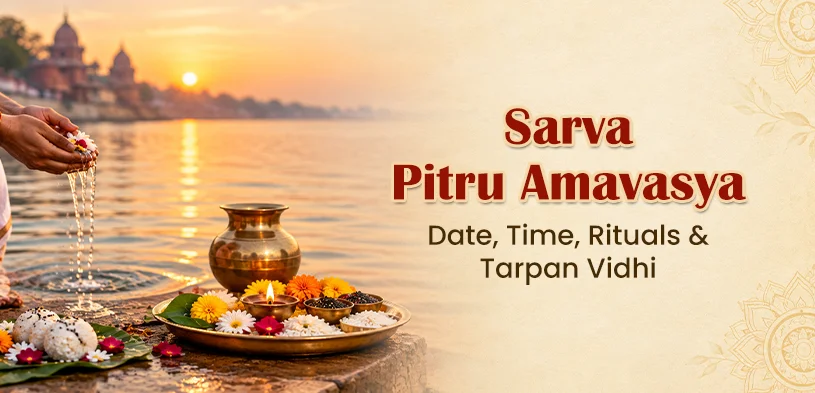
The last day of Pitru Paksha is known as Sarva Pitru Amavasya. This Amavasya is considered especially significant for remembering all known and unknown ancestors whose Shradh date may not be known or whose Shradh could not be performed on the prescribed tithi for some reason.
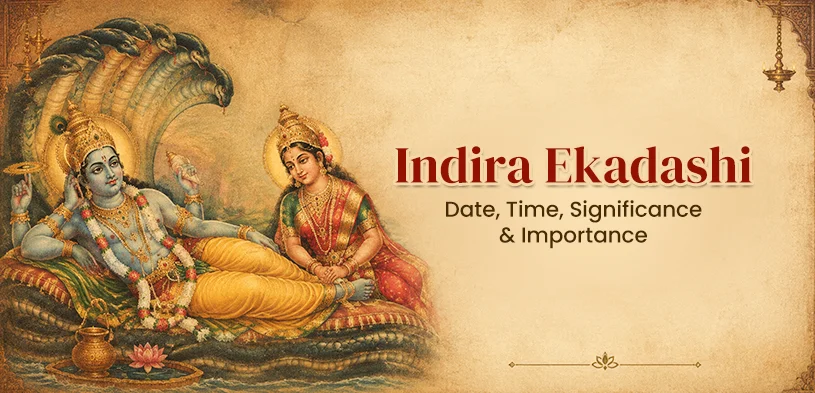
Indira Ekadashi, which falls during the Krishna Paksha of the Ashwin month, is one such meritorious tithi. As it occurs during Pitru Paksha, this day is specially associated with the worship of Lord Vishnu along with feelings of reverence and righteous deeds.