- +91-7023509999
- 0294-6622222
- info@narayanseva.org
Holika Dahan, celebrated on the full moon day of Phalgun month, is a sacred festival in Indian culture. It is a divine symbol of the victory of righteousness over unrighteousness and truth over falsehood. On this day, Holika is ritually burned in the evening, and devotees pledge to rid their lives of negativity, sin, and ego.
This year, the rare combination of Bhadra and a total lunar eclipse is occurring on Holi, creating confusion regarding Holika Dahan. According to the opinion of pundits, Holika Dahan will be performed on March 3rd, and the festival of colors will be celebrated the following day, on March 4th, Dhulendi.
This time, the lunar eclipse falling on Holi will be a partial one. This eclipse will be visible in India as well as other countries around the world. The full moon date will begin on March 2, 2026, at 5:55 p.m. It will end the next day, March 3, at 5:07 p.m. Therefore, Holika Dahan will be performed on March 3. After the eclipse, Holika Dahan can be performed from 6:25 p.m. to 8:50 p.m.
The story of Holika Dahan is described in the Srimad Bhagavatam and other Puranas. A tyrannical demon king named Hiranyakashipu declared himself a god. His son, devotee Prahlad, was a great devotee of Lord Vishnu. Hiranyakashipu was not ready to accept this. He repeatedly attempted to push Prahlad to his death, but each time, by the grace of God, Prahlad remained safe.
Finally, Hiranyakashipu asked his sister Holika (who had the boon of not being burned by fire) to sit in the fire with Prahlad in her lap. But due to God’s grace, Holika’s boon was rendered futile. Holika was consumed by the fire, and devotee Prahlad emerged safely. This event is still celebrated today as Holika Dahan.
Holika Dahan is considered a symbol of the burning of sins and the beginning of a new life. This festival reminds us that all negative emotions within us, such as anger, jealousy, greed, and ego, should be surrendered to this fire. When we circumambulate Holika with the fire god as witness, it is a pledge of self-purification. In both rural and urban areas, people offer dry wood and cow dung cakes to the fire, symbolizing gratitude to nature and a prayer for prosperity.
Purify the Holika Dahan site and arrange a pile of wood or cow dung cakes there. Worship with roli (vermilion), rice grains, flowers, water, jaggery, turmeric, green gram, and wheat ears. Wrap raw thread (mauli) around Holika. Devotees should perform the circumambulation with devotion and pray for happiness, prosperity, and the protection of their children. Apply the ashes of the Holika fire to their foreheads. This removes negative energies and brings happiness and peace to life.
Holika Dahan is not only a religious festival but also a symbol of social harmony. On this day, people forget their differences and gather together. Holika is burnt collectively in villages and neighborhoods, strengthening the spirit of brotherhood and unity. This festival tells us that the end of ego is certain. Hiranyakashipu’s pride was destroyed, and ultimately, Lord Shri Nrisimha slew him, establishing righteousness. Holika Dahan inspires us to always follow the path of humility, compassion, and righteousness.
The flames of Holika Dahan not only burn the external wood but also symbolize the destruction of the ignorance within us. If we consider this festival an opportunity for introspection, we will truly benefit from it.
Holika Dahan is a divine celebration of Indian culture, which gives us the message that the victory of righteousness is certain and that God always protects his devotees. This festival teaches us self-purification, positivity, and the establishment of love and unity in society. On this Falgun Purnima, let us also dedicate the negativity of our lives to the fire of Holika and embrace the devotion of Prahlad in our hearts.
होलिका दहन भारतीय संस्कृति का पवित्र पर्व है, जो अधर्म पर धर्म की विजय का प्रतीक है। 2026 में 3 मार्च को चंद्र ग्रहण के साथ मनाया जाएगा, जहां भक्त नकारात्मकता को अग्नि में समर्पित कर आत्मशुद्धि का संकल्प लेंगे।
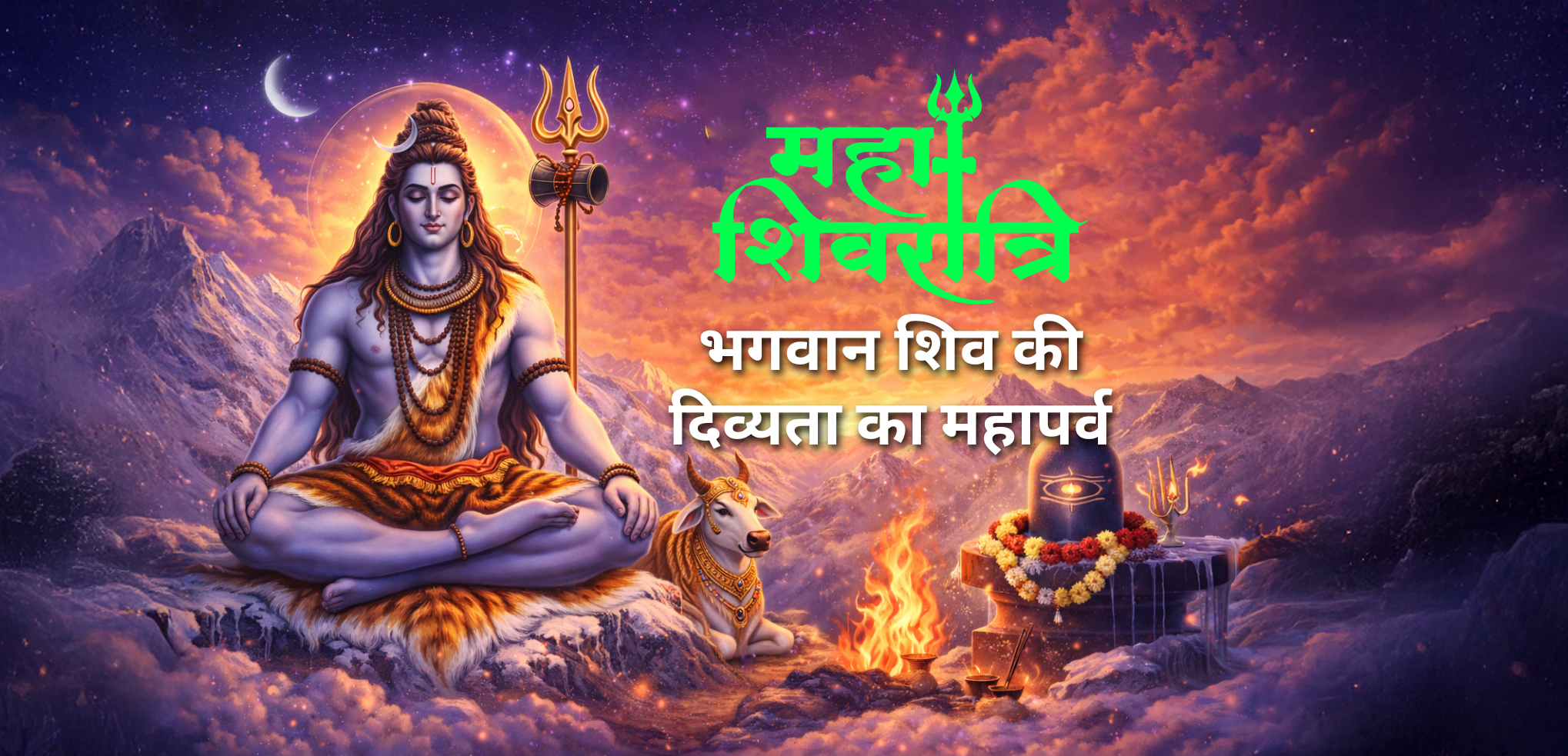
सृष्टि के संहार और सृजन के अधिपति, करुणा और तप के साकार स्वरूप भगवान शिव की आराधना का सबसे बड़ा पर्व महाशिवरात्रि बस आने ही वाला है। यह केवल एक व्रत या अनुष्ठान भर नहीं, बल्कि आत्मशुद्धि, भक्ति और शिवत्व को पाने का शुभ अवसर है।
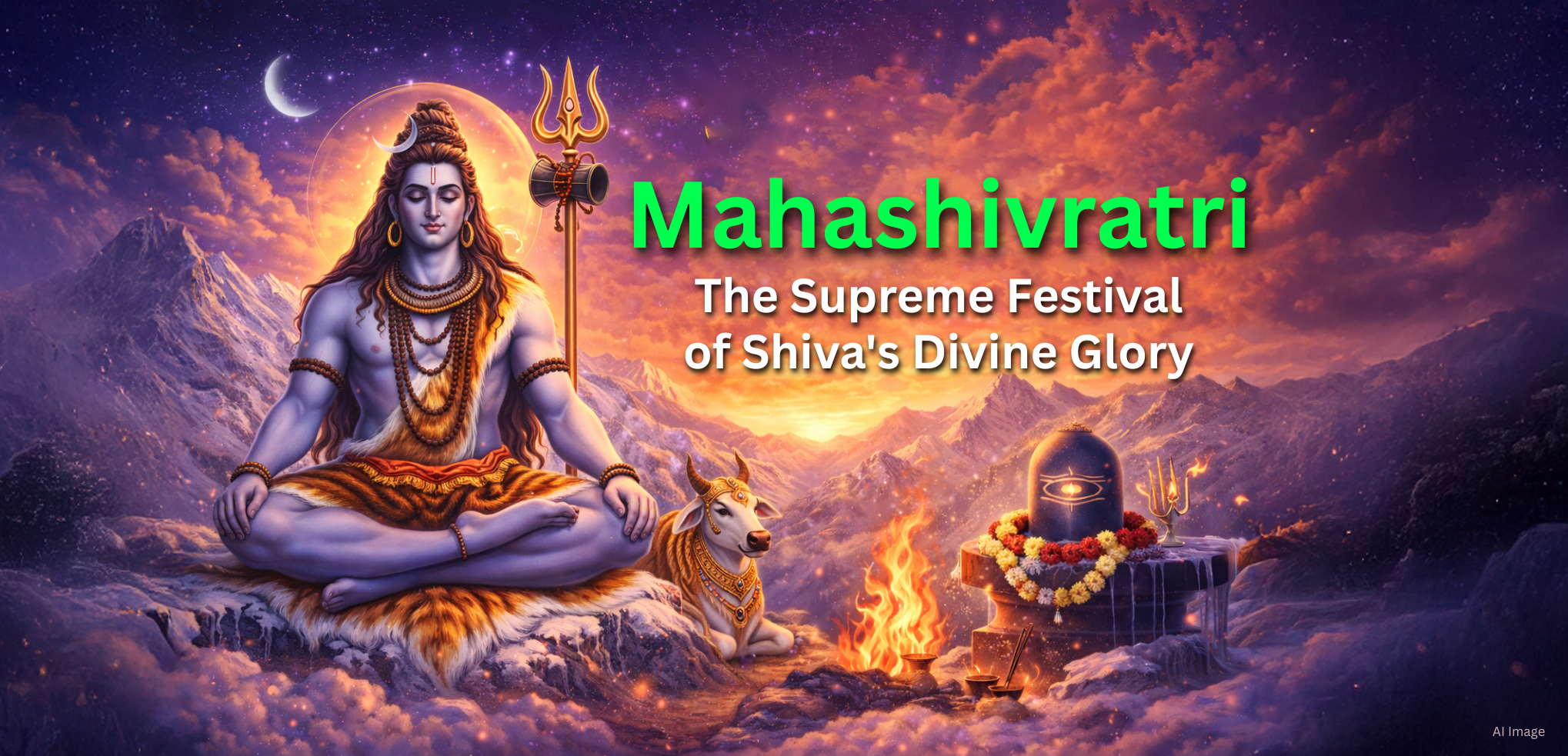
Mahashivratri, the biggest festival of worship of Lord Shiva, the lord of destruction and creation of the universe, the embodiment of compassion and penance, is about to come.