- +91-7023509999
- 0294-6622222
- info@narayanseva.org
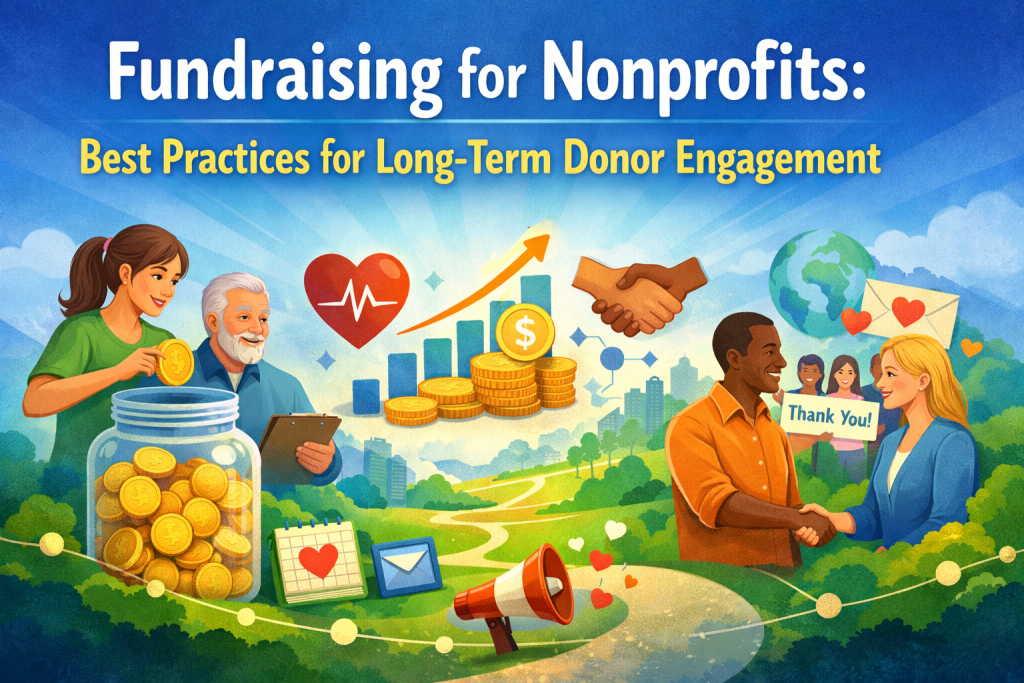
In the world of nonprofit fundraising, the biggest asset is not a huge list of names — it is a loyal community of believers. While many organisations are caught in a cycle of “transactional fundraising,” always chasing the next one-time gift, the most successful NGOs focus on long-term donor engagement instead.
Building strong relationships ensures program continuity and financial stability. Narayan Seva Sansthan demonstrates this clearly. By helping individuals with disabilities through corrective surgeries, artificial limbs, and rehabilitation programs, the organisation builds deep trust that turns casual contributors into lifelong partners in service.
Nonprofit fundraising costs are clear: acquiring a new donor can cost five times more than retaining an existing one. High churn rates create a “leaky bucket” effect, where efforts to find new donors are cancelled out by the loss of old supporters.
Donor retention generates significantly greater lifetime value (LTV). Supporters who stay engaged for years do not just give more — they become your strongest advocates. As trust in your mission grows, they often increase their contributions. For an NGO, stewardship is not optional; it is a strategic investment in the organisation’s future.
Effective engagement begins with understanding that every donor is on a journey. The donor lifecycle typically includes four key stages:
A first-time donor needs reassurance that their money was used wisely. A long-term supporter of Narayan Seva Sansthan may seek deeper involvement, such as detailed updates on corrective surgeries or inspiring stories of individuals receiving artificial limbs. Tailoring communication based on where a donor stands in this cycle helps prevent donor fatigue.
To transform a one-time contributor into a lifelong advocate, NGOs should focus on three essential pillars:
Group supporters according to their interests, engagement level, or giving history. For example, donors supporting healthcare initiatives should receive medical impact reports that clearly show the outcomes of their contributions. Personalized communication demonstrates respect and strengthens trust.
Transparency builds credibility. Donors are more likely to continue giving when they see tangible results. Sharing stories of beneficiaries, before-and-after transformations, and progress updates creates an “impact loop” — reinforcing that their support is creating real change.
Recurring donation programs and membership models provide financial stability. Monthly giving removes barriers by allowing supporters to contribute small amounts consistently. This approach ensures predictable income while keeping your mission present in donors’ minds throughout the year.
At the heart of Narayan Seva Sansthan’s success lies meaningful storytelling combined with transparency. The organisation shares academic reports alongside powerful human stories — from a patient’s first step after surgery to their full recovery journey.
This openness creates emotional connection and institutional trust. When donors clearly see how their contributions improve lives, they are not simply donating to an organisation — they are investing in transformation.
Tracking donor retention rate, engagement levels, and lifetime value helps nonprofits identify what works and where improvement is needed. At the same time, organisations must avoid overcommunication, inconsistent messaging, or ignoring donor feedback — as these can weaken long-term relationships.
Raising money for nonprofits in a way that lasts is a long process, not a one-time solution. They should focus on engagement instead of just acquiring new supporters. This base is strong enough to last through economic downturns and make a long-term impact.
The goal is to build a relationship, not just close a deal. Let people contribute in a way that means something, beyond just donating money. Donors can make a real difference by supporting the Narayan Seva Sansthan. They show how giving can lead to positive change in differerntly-abled lives.
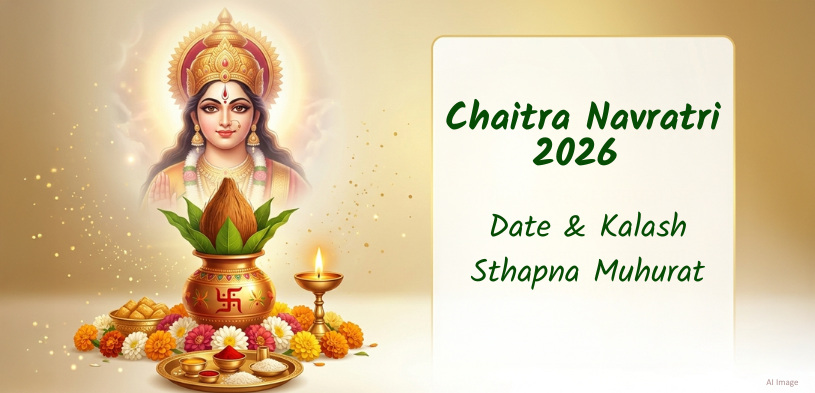
Chaitra Navratri 2026: This sacred nine-day ritual begins on March 19th and continues until March 27th. The auspicious time for Ghatasthapana is from 6:52 am to 7:43 am. Receive the blessings of Goddess Durga through the Kalash Sthapana ritual and Kanya Pujan.
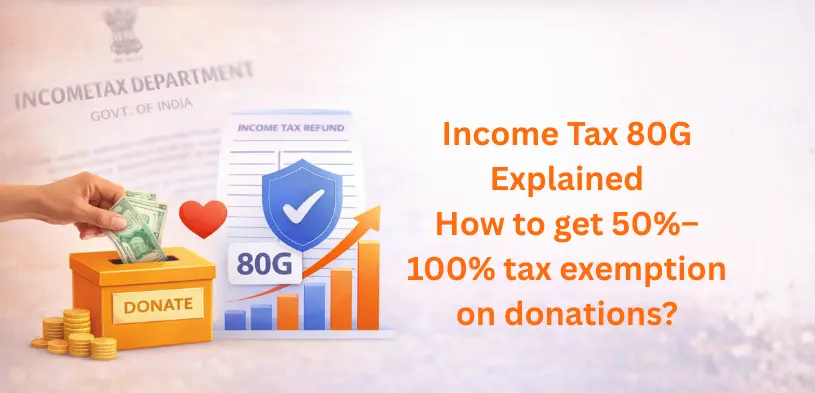
Claim up to 50% or 100% tax deduction on donations under Section 80G—available only in the Old Tax Regime. No benefits on cash donations above ₹2,000; Form 10BE is mandatory.
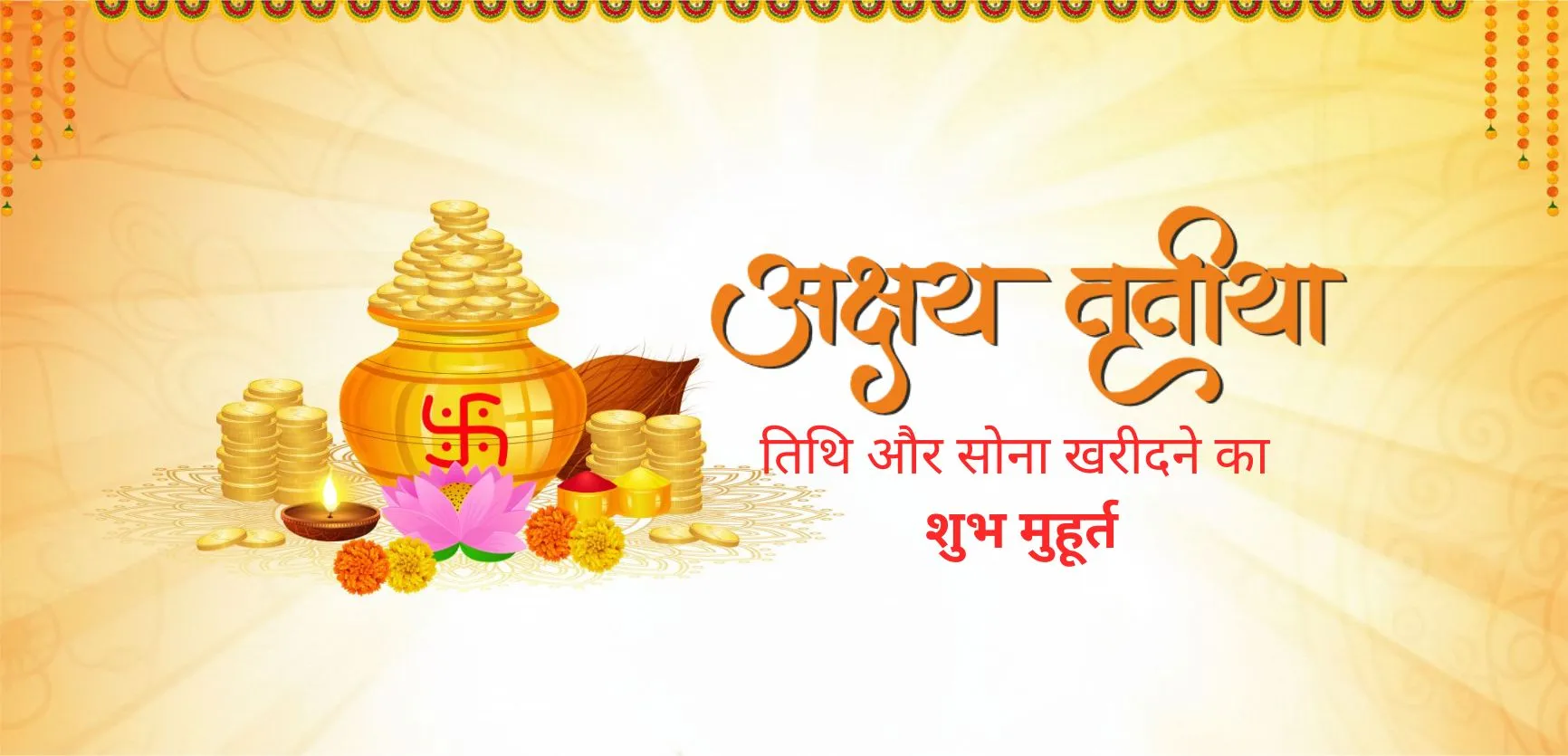
अक्षय तृतीया, जिसे आखा तीज भी कहते हैं, वैशाख शुक्ल तृतीया को मनाया जाता है और इस दिन किए गए दान, जप, तप एवं शुभ कार्य अक्षय (अनंत) फल देते हैं। 19 अप्रैल 2026 को पड़ने वाला यह अबूझ मुहूर्त पर्व परशुराम जयंती, गंगा अवतरण, अक्षय पात्र कथा से जुड़ा है, जहाँ सोना खरीदना, लक्ष्मीनारायण-कुबेर पूजा और दान से जीवन में सुख-समृद्धि अक्षय बनी रहती है।