In India, community health initiatives play an important role in solving local healthcare problems. These programs focus on improving health and quality of life in communities.
They provide basic healthcare services and spread awareness about common health issues. A leading organization working in this field is Narayan Seva Sansthan (NSS).
NSS is a non-governmental organization (NGO) that supports underprivileged and differently-abled people across India.
India has a large and diverse population. Many people still lack access to proper healthcare. Community health initiatives help solve this problem at the grassroots level.
These programs focus on prevention, awareness, and community participation.
Community health programs educate people about everyday health issues. Awareness campaigns and workshops focus on:
This knowledge helps people make better health choices.
Preventing illness is a key goal of community health initiatives. These programs focus on early detection and prevention rather than only treatment.
Preventive care reduces medical costs and eases the burden on hospitals.
Many rural and remote areas lack proper medical facilities. Community health initiatives bring services closer to people.
Basic care such as check-ups, vaccinations, and reproductive health services becomes easier to access.
Community involvement is essential for long-term success. Health programs include:
When communities take ownership, health improvements last longer.
Community health initiatives help prevent the spread of diseases. They support:
This reduces the risk of large outbreaks and strengthens public health systems.
Healthy people can work, study, and support their families better. Improved health leads to:
Community health initiatives are vital for improving healthcare in India. The work of Narayan Seva Sansthan shows how these programs can change lives.
Through healthcare services, education, and community support, NSS strengthens individuals and communities. With growing awareness, India moves closer to better health and well-being for all.
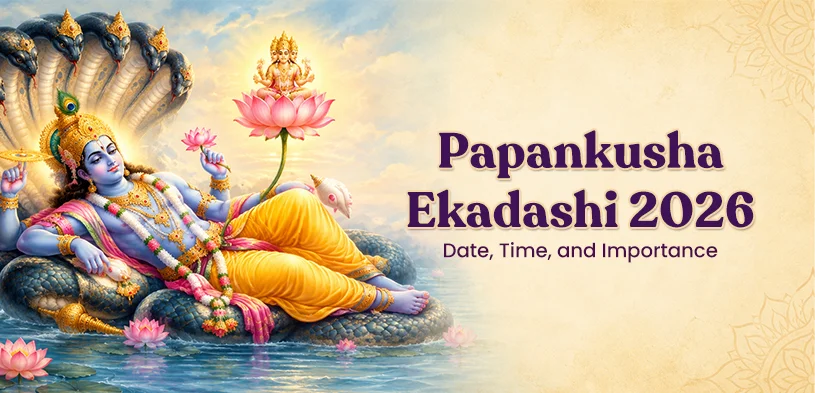
On Papankusha Ekadashi, traditions of worshipping Lord Vishnu, fasting, chanting His name, listening to religious stories, night vigil, and charity have been followed. This day provides an opportunity to light the lamp of devotion and spirituality within oneself.
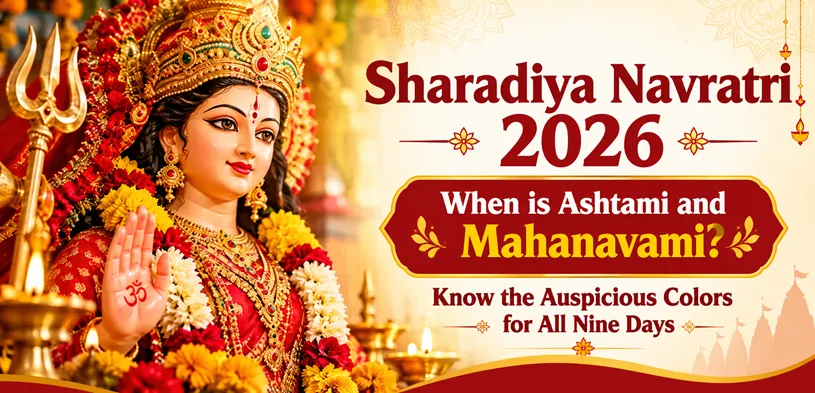
In 2026, Shardiya Navratri begins on Sunday, October 11. This year, the belief that Maa Durga arrives riding an elephant is receiving special attention. Devotees worship the Goddess in her Gajvahini form and pray for happiness, peace, and prosperity in their lives.
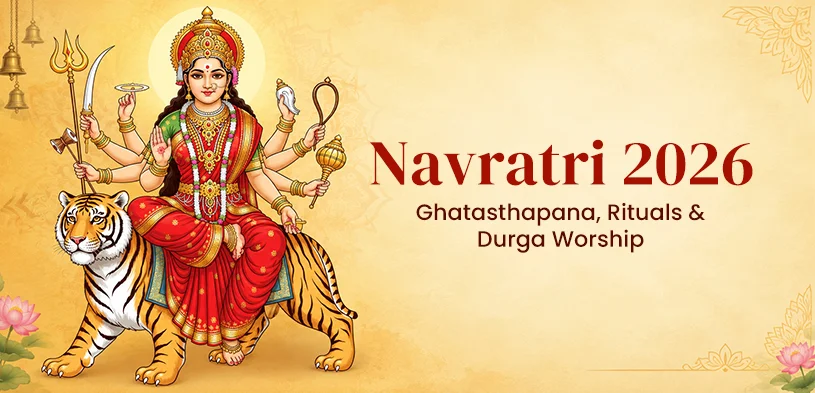
Shardiya Navratri 2026 begins 11 October with Ghatasthapana and concludes with Dussehra on 20 October. Get the full Ghatasthapana Muhurat, day-wise Durga Puja calendar, colours, and puja vidhi inside.