- +91-7023509999
- 0294-6622222
- info@narayanseva.org
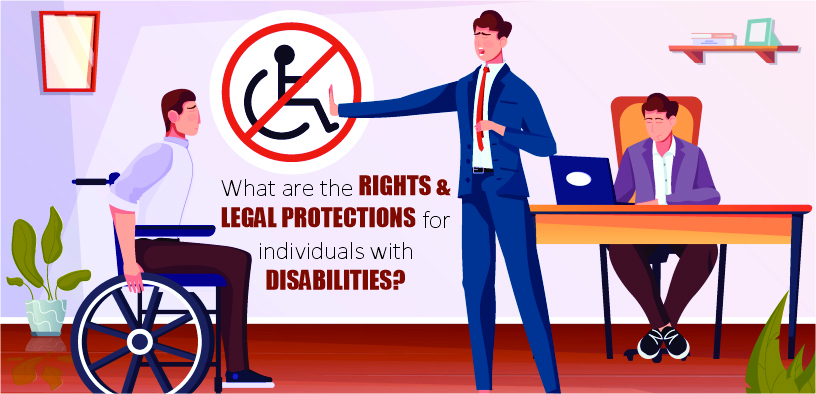
India has made steady progress in protecting the rights of people with disabilities. Over time, the country has introduced strong legal frameworks and policies.
These measures aim to ensure dignity, inclusion, and equal opportunities in:
The Indian Constitution guarantees equality under Article 14. It also prohibits discrimination under Article 15.
These protections extend to individuals with disabilities. They ensure equal access to:
The Right to Education (RTE) Act, 2009 provides free and compulsory education for children up to 14 years.
The Rights of Persons with Disabilities Act, 2016 supports inclusive education. Schools must offer:
The RPWD Act promotes equal employment opportunities.
It ensures:
The RPWD Act replaced the 1995 law. It expanded the definition of disability and now recognizes 21 categories.
This law strengthens protection and promotes empowerment.
The Act includes:
This broader classification ensures better support.
The RPWD Act requires accessibility across key areas:
It also promotes accessible communication and technology.
The Act provides a 4% reservation for persons with benchmark disabilities.
This applies to:
The Act promotes Special Employment Exchanges.
These services help individuals find suitable jobs.
The law includes guardianship provisions.
These ensure support while protecting personal rights and autonomy.
This Act focuses on individuals with:
It promotes research, legal aid, and independent living.
This Act regulates training standards for professionals in rehabilitation and special education.
It ensures quality care and specialized services.
Many people are still unaware of disability rights.
Better implementation and continuous monitoring are needed.
Despite legal mandates, many spaces still lack accessibility.
Improvements are needed in:
Empowerment requires stronger focus on:
These programs help individuals achieve independence and inclusion.
This scheme provides financial support for rehabilitation services.
It covers:
This scheme helps individuals purchase assistive devices such as:
This campaign improves accessibility across:
The RPWD Act allows individuals to take legal action against discrimination.
Courts and tribunals provide relief and justice.
This scheme addresses crimes against individuals with disabilities.
It ensures proper legal action under relevant laws.
India has taken important steps to protect disability rights.
Laws like the RPWD Act promote equality, accessibility, and inclusion.
Narayan Seva Sansthan supports this mission through:
These efforts help individuals gain independence and live with dignity.
With greater awareness and support, India can build a more inclusive society.

Shri Krishna Janmashtami is celebrated as the birth festival of Lord Shri Krishna. It is also known as Shri Krishna Janmotsav and Gokulashtami. On this day, special prayers, bhajans, kirtans, and religious ceremonies are organized at Krishna temples across the country, including Mathura, Vrindavan, Gokul, and Dwarka.

Bhadrapada Amavasya holds special spiritual significance in the Hindu Panchang. This sacred day is considered highly auspicious for self-reflection, remembering ancestors, offering Tarpan, taking a holy bath, and performing charity.
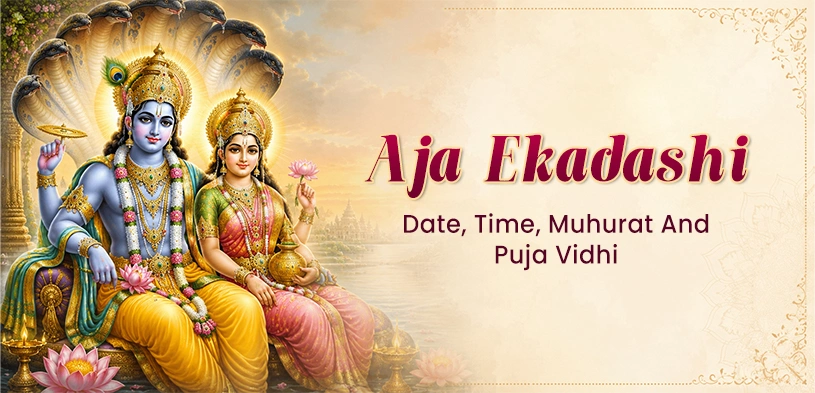
In Sanatan Dharma, Ekadashi Tithi is considered highly sacred for worshipping Lord Vishnu. Each Ekadashi observed throughout the year has its own religious significance. The Ekadashi that falls during the Krishna Paksha of the Bhadrapada month is known as Aja Ekadashi.