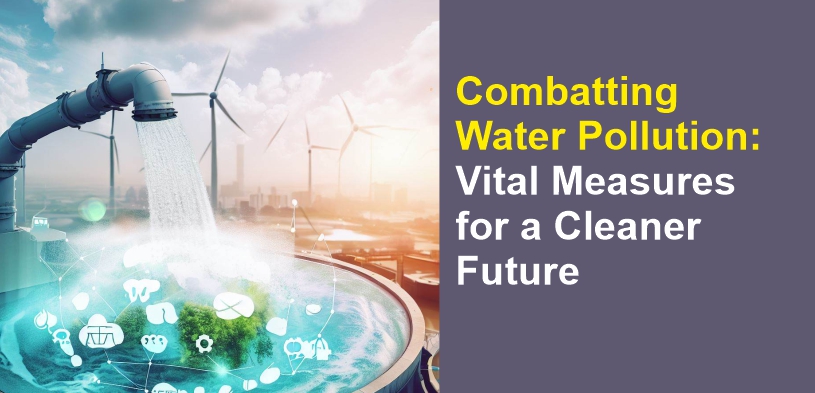
Water is essential for life. It covers nearly 70% of the Earth’s surface, yet only 2.5% of it is fresh water.
Despite this limited availability, water pollution is increasing rapidly. Polluted water harms human health, ecosystems, and biodiversity. Protecting water resources is now an urgent global priority.
Industrial waste is a major cause of water pollution. Nearly 70% of industrial waste is dumped into water bodies.
Industries must adopt eco-friendly practices, treat waste properly, and invest in sustainable technologies. Governments should enforce strict environmental laws to ensure responsible industrial behavior.
Domestic sewage is another leading source of water pollution. Almost 80% of pollution comes from untreated household waste.
Communities must improve sewage treatment systems, promote recycling, and encourage the use of environmentally friendly products. Strong waste management reduces harmful substances entering water bodies.
Plastic waste severely damages aquatic life. Every year, more than 6 billion pounds of plastic enter the oceans.
Reducing single-use plastics, expanding recycling programs, and promoting sustainable packaging can help control plastic pollution. Governments and businesses must work together on long-term solutions.
Contaminated water spreads diseases such as cholera and typhus. Around 15 million children die each year due to waterborne illnesses.
Improving access to clean drinking water, sanitation facilities, and hygiene education is essential, especially in developing regions.
Environmental disasters can cause severe water contamination. After the 2011 tsunami, nearly 11 million liters of radioactive water entered the Pacific Ocean.
International cooperation is needed to manage nuclear waste safely. Strict disposal protocols and advanced containment technologies are critical.
Many rivers in Asia are highly polluted. Public awareness and education are key to addressing this issue.
School programs, public campaigns, and community workshops can help people understand the impact of water pollution and adopt sustainable water practices.
Water pollution varies by region. For example, the Ganges River in India is heavily polluted due to sewage, industrial waste, and other contaminants.
Cleanup initiatives, strict waste regulations, and community participation are essential for restoring polluted rivers.
Groundwater is a vital water source for millions of people. However, it is threatened by contamination such as arsenic in Bangladesh and industrial chemicals in China.
Protecting groundwater requires strict industrial regulations, regular water quality monitoring, and advanced filtration technologies.
Water pollution is a global crisis that demands immediate action. Governments, communities, industries, and individuals must work together.
By reducing pollution and protecting water sources, we can ensure clean water for future generations and create a healthier planet.

Diwali, the festival of lights, brings a message of renewed hope, prosperity, and new beginnings. It is a sacred occasion to illuminate our inner selves, follow the path of good deeds, and embrace righteousness, compassion, and harmony in our lives.
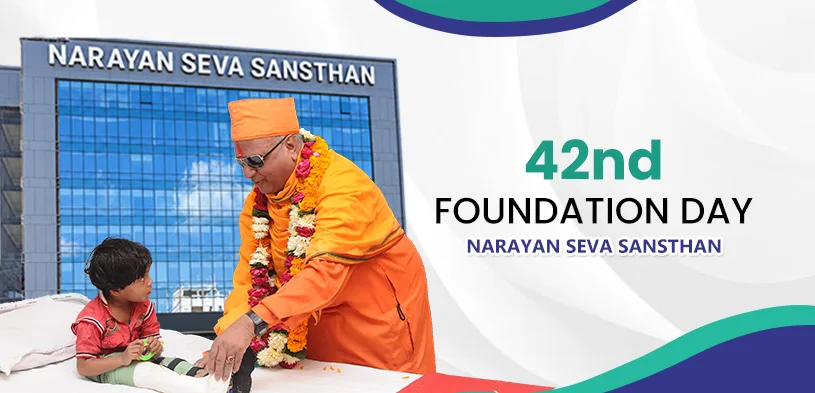
The guiding motto of Narayan Seva Sansthan is “Nar Seva Hi Narayan Seva”. This belief lies at the heart of every service initiative undertaken by the organization.

Full moon of Ashwin month, known as Sharad Purnima, Kojagari Purnima, and Raas Purnima, holds a special place because of its religious and spiritual significance. It is associated with Lord Shri Krishna’s divine Raas Leela, worship of Goddess Lakshmi