- +91-7023509999
- 0294-6622222
- info@narayanseva.org
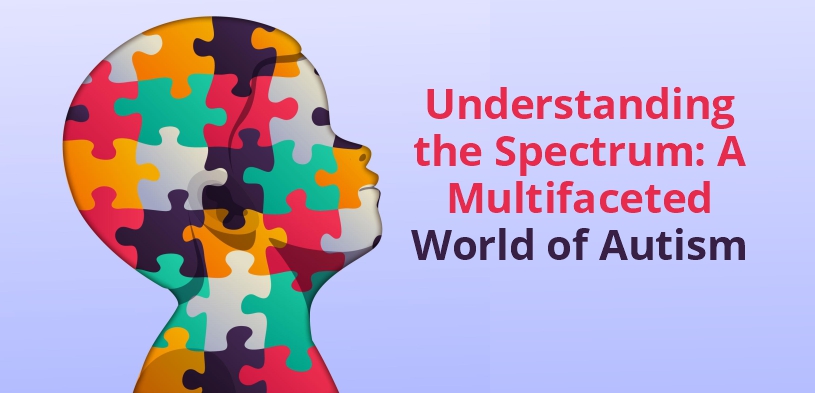
Autism Spectrum Disorder (ASD) is a neurodevelopmental condition. It affects how people think, communicate, and experience the world.
Autism exists on a spectrum. This means each person has different abilities, challenges, and strengths.
Autism is not a single condition. It is a wide range of neurological differences.
Every person with autism is unique. No two individuals experience autism in the same way.
Understanding these differences helps us better support individuals with autism.
Many stereotypes about autism are inaccurate.
Recognizing this diversity helps create a more inclusive society.
Autism has both genetic and neurological influences.
Research shows genetics play a strong role in autism.
Autism affects how the brain processes information.
These differences contribute to neurodiversity.
Many people still misunderstand autism. This can lead to stigma and exclusion.
Education and awareness help correct common myths.
Traditional classrooms may not suit all learners with autism.
Inclusive education and personalized support help students succeed.
Many individuals with autism have strong abilities.
Valuing these strengths benefits everyone.
Inclusive workplaces and communities create equal opportunities.
Supportive practices allow individuals with autism to contribute meaningfully.
Strong support systems are essential for individuals with autism and their families.
Understanding grows through education and open conversation.
Autism adds to the richness of human diversity.
By valuing differences, challenging stereotypes, and supporting inclusion, we build a more compassionate world.
Individuals with autism deserve recognition, respect, and equal opportunities.
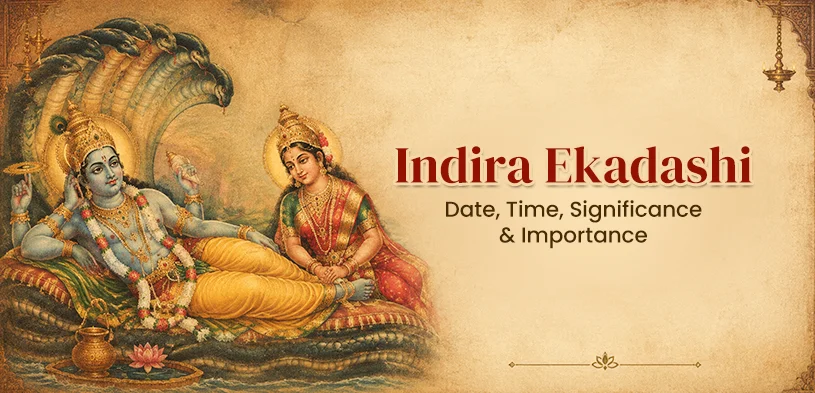
Indira Ekadashi, which falls during the Krishna Paksha of the Ashwin month, is one such meritorious tithi. As it occurs during Pitru Paksha, this day is specially associated with the worship of Lord Vishnu along with feelings of reverence and righteous deeds.
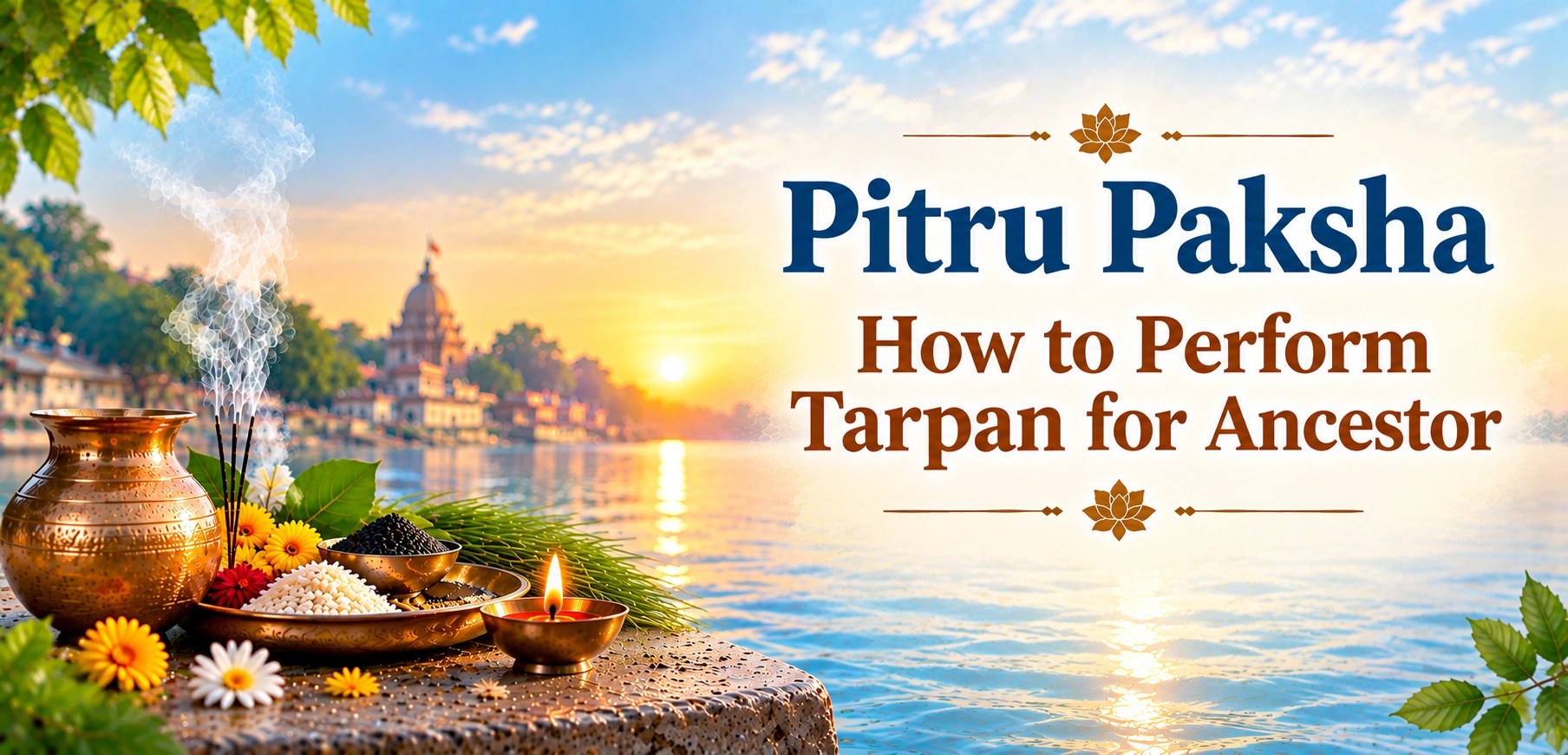
Our ancestors laid the foundation of the family through their lives, austerities, values, and good deeds. Pitru Paksha is the sacred opportunity to express reverence and gratitude towards them.
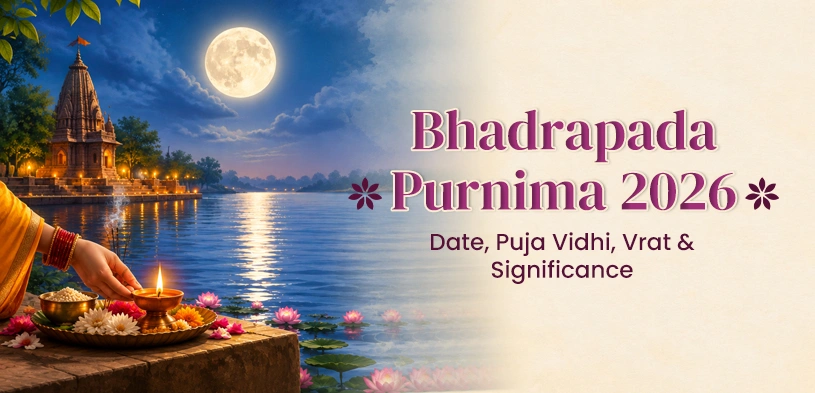
Bhadrapada Purnima 2026 falls on September 26. Discover its date, puja vidhi, vrat, Satyanarayan worship, Chandra Dev prayers, and the spiritual significance of charity and service.