- +91-7023509999
- 0294-6622222
- info@narayanseva.org
India has a large and diverse population. Providing quality education to all is a big challenge. Many remote and marginalized areas lack schools and resources.
Financial problems, gender inequality, and cultural biases make education even harder for disadvantaged communities.
Narayan Seva Sansthan is a leading non-profit in India. It works to provide quality education to underprivileged communities.
The organization believes that education is key to personal growth and community development.
Education is important for personal success and the progress of society. It gives people knowledge, skills, and values needed to succeed.
However, many communities in India, especially in rural areas, do not have equal access to quality education and resources. Bridging this gap is essential to give everyone a fair chance to succeed.
Addressing these challenges requires coordinated efforts from the government, private sector, and communities. Key steps include:
Providing quality education for all in India is challenging but achievable. Narayan Seva Sansthan plays a key role in transforming lives through education.
The organization focuses on access, gender equality, resources, and community engagement to support underprivileged students.
What are the main challenges in education in India?
Challenges include limited access in rural areas, lack of infrastructure, shortage of qualified teachers, resource gaps, and social barriers.
How does limited access affect rural students?
Students often travel long distances, leading to poor attendance. Lack of nearby schools and transport worsens the problem.
What are some resource disparities?
Many schools lack clean water, toilets, electricity, and trained teachers. Outdated teaching methods and low technology use also reduce learning quality.
How can technology help?
Digital classrooms, online materials, and educational apps can supplement traditional teaching and provide equal learning opportunities.
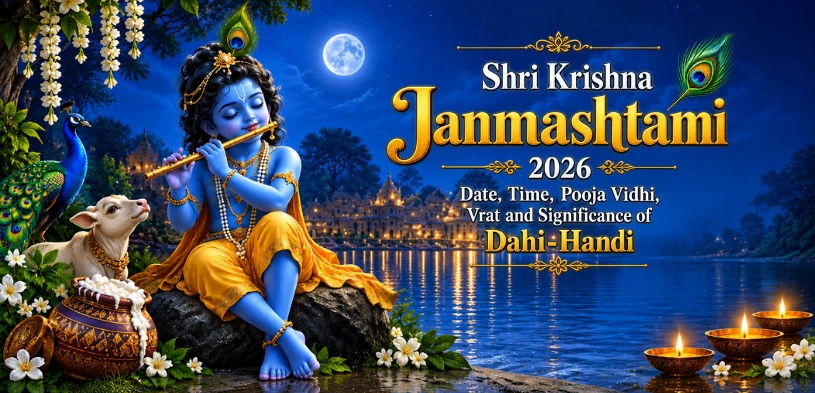
Shri Krishna Janmashtami is celebrated as the birth festival of Lord Shri Krishna. It is also known as Shri Krishna Janmotsav and Gokulashtami. On this day, special prayers, bhajans, kirtans, and religious ceremonies are organized at Krishna temples across the country, including Mathura, Vrindavan, Gokul, and Dwarka.

Bhadrapada Amavasya holds special spiritual significance in the Hindu Panchang. This sacred day is considered highly auspicious for self-reflection, remembering ancestors, offering Tarpan, taking a holy bath, and performing charity.
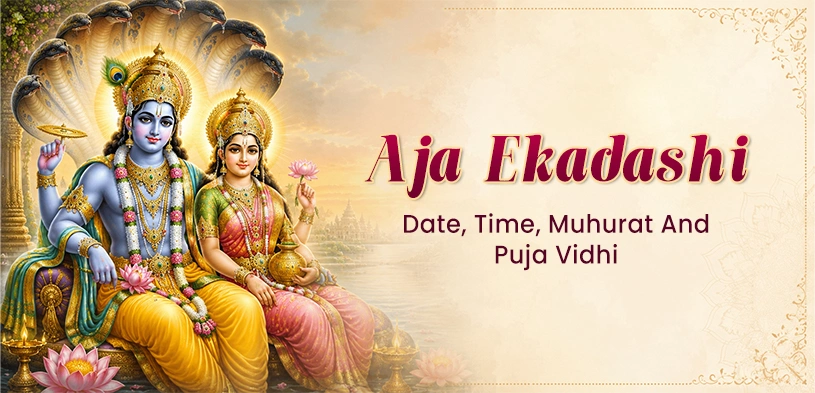
In Sanatan Dharma, Ekadashi Tithi is considered highly sacred for worshipping Lord Vishnu. Each Ekadashi observed throughout the year has its own religious significance. The Ekadashi that falls during the Krishna Paksha of the Bhadrapada month is known as Aja Ekadashi.