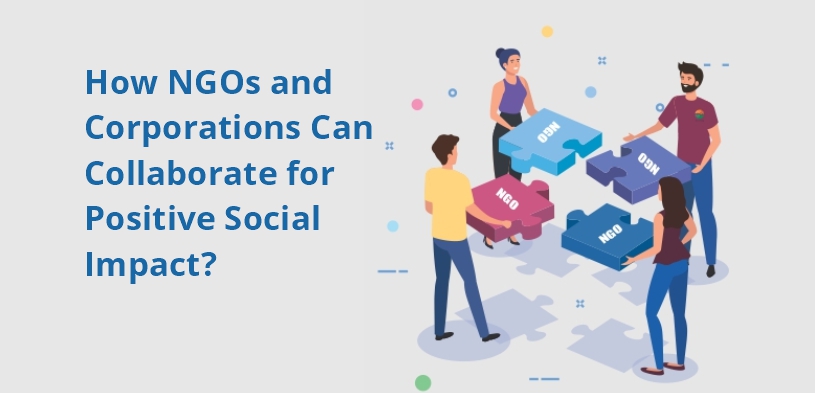
In today’s world, social responsibility is important for both businesses and communities. Partnerships between corporations and non-governmental organizations (NGOs) help drive positive change.
These partnerships combine resources, skills, and shared goals. This makes it easier to solve social problems.
When businesses and NGOs work together, they create value for everyone. These collaborations:
This blog explains how these partnerships work. It also highlights their benefits and key success factors.
Strong partnerships start with a shared vision.
Corporations and NGOs must align their goals. This helps them solve social problems more effectively.
When both partners share values, they can:
There are different ways to build partnerships.
Traditional models include donations and sponsorships. Modern partnerships go further.
Companies can also contribute through:
This exchange of knowledge helps create better solutions.
Employee involvement strengthens partnerships.
When employees join social initiatives, they feel more connected to their work.
Companies can encourage staff to:
This improves both impact and workplace culture.
Clear goals and transparency are essential.
Partners should define measurable outcomes.
This helps them:
Sharing results builds trust with stakeholders.
Joint fundraising campaigns can increase impact.
Corporations bring marketing strength. NGOs bring deep social knowledge.
Together, they can:
This synergy with the best NGO in India helps address urgent challenges.
Long-term partnerships create lasting change.
Short-term projects offer limited impact.
Ongoing collaboration helps organizations:
Strong relationships also bring stability to social projects.
CSR programs help businesses support social causes.
When CSR is part of business strategy, companies can:
Effective CSR goes beyond compliance. It reflects real commitment.
Corporate and NGO partnerships can create strong social impact.
Successful collaborations focus on:
Organizations like Narayan Seva Sansthan show how partnerships can create real change.
Their work proves that collaboration goes beyond funding. It drives long-term progress.
As more companies focus on social responsibility, these partnerships will grow.
Together, they can build a more inclusive and compassionate society.

The last day of Pitru Paksha is known as Sarva Pitru Amavasya. This Amavasya is considered especially significant for remembering all known and unknown ancestors whose Shradh date may not be known or whose Shradh could not be performed on the prescribed tithi for some reason.

Indira Ekadashi, which falls during the Krishna Paksha of the Ashwin month, is one such meritorious tithi. As it occurs during Pitru Paksha, this day is specially associated with the worship of Lord Vishnu along with feelings of reverence and righteous deeds.

Our ancestors laid the foundation of the family through their lives, austerities, values, and good deeds. Pitru Paksha is the sacred opportunity to express reverence and gratitude towards them.