
- +91-7023509999
- 0294-6622222
- info@narayanseva.org
India is one of the fastest-growing economies in the world. The country is changing at a rapid pace.
This growth creates new opportunities. At the same time, it also highlights social inequality and environmental concerns.
In this situation, Non-Governmental Organizations (NGOs) play a key role. They support government efforts by offering practical and community-focused solutions, especially in sustainable development.
Sustainable development is often used as a buzzword. In reality, it focuses on three core areas:
The United Nations’ Brundtland Commission defines sustainable development as growth that meets present needs without harming the ability of future generations to meet their own needs.
One NGO that reflects this vision is Narayan Seva Sansthan (NSS).
While NSS is widely known for supporting differently-abled individuals, it also runs several programs that promote long-term and sustainable development.
This article explores how NGOs in India, including NSS, use innovation to create lasting and meaningful change.
Education is more than just learning facts. It is a powerful tool for social change.
It helps people gain skills, improve their quality of life, and contribute to society. Education also supports economic growth.
Because of this, education is a foundation of sustainable development.
Many NGOs in India are improving access to education through innovative methods such as:
Healthcare is another important part of sustainable development.
Access to quality healthcare services improves lives and increases productivity.
NGOs help close the healthcare gap, especially in rural and underserved regions.
Key healthcare innovations include:
Many NGOs also use local art and culture to educate people about nutrition, hygiene, and disease prevention.
Economic sustainability focuses on self-sufficiency and resilience.
NGOs across India support this goal by creating income-generating opportunities.
Common livelihood initiatives include:
These programs increase income, boost confidence, and strengthen community bonds.
Among many NGOs working toward sustainability, Narayan Seva Sansthan stands out.
NSS focuses on empowering differently-abled and underprivileged individuals through holistic support.
One of its key initiatives is vocational training.
This program helps differently-abled individuals gain practical, job-ready skills. As a result, they achieve financial independence and social inclusion.
Protecting the environment is essential for sustainable development.
Many NGOs in India are taking action through innovative environmental programs, such as:
These efforts show that economic growth and environmental care can go hand in hand.
Technology has transformed how NGOs work.
Digital tools help organizations reach more people and make better decisions.
Common uses of technology include:
Innovation plays a vital role in sustainable development.
NGOs combine creativity, local knowledge, and commitment to drive real change.
Organizations like Narayan Seva Sansthan show that innovative thinking can solve complex social challenges.
As India moves forward, embracing innovation will help build an inclusive, equitable, and environmentally responsible future.
1. What role do NGOs play in sustainable development in India?
NGOs support sustainable development by working in education, healthcare, livelihoods, and environmental protection.
They operate at the grassroots level, which helps them address local needs effectively and promote inclusive growth.
2. How do NGOs use innovation in sustainable development?
NGOs use innovation through digital education, telemedicine, skill training, and eco-friendly initiatives.
They also use technology for data analysis, outreach, and community engagement.
3. Which NGO is an example of innovative sustainable development?
Narayan Seva Sansthan is a strong example.
Its vocational training programs help differently-abled individuals become independent and socially included.
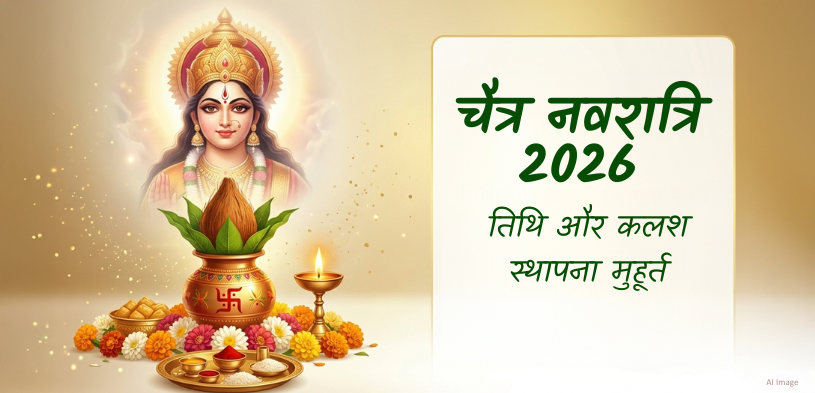
चैत्र नवरात्रि 2026: 19 मार्च से शुरू होकर 27 मार्च तक चलेगी यह पावन नौ दिवसीय साधना। घटस्थापना का शुभ मुहूर्त सुबह 6:52 से 7:43 बजे तक, कलश स्थापना विधि और कन्या पूजन से प्राप्त करें माँ दुर्गा की कृपा!
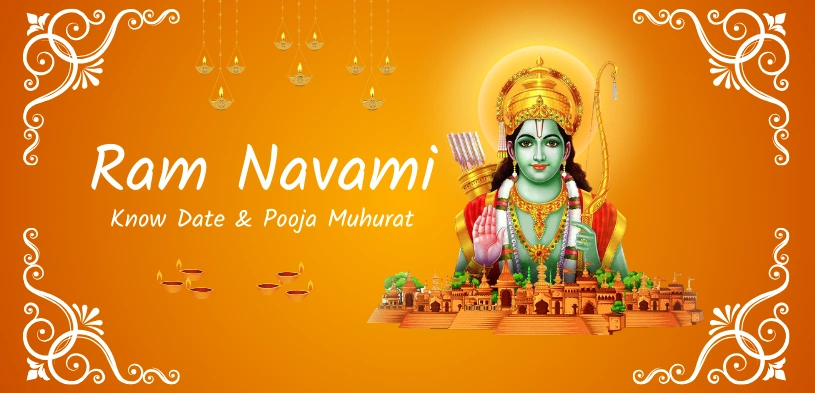
Ram Navami celebrates the birth of Lord Shri Ram, the seventh incarnation of Lord Vishnu. In 2026, the festival will be observed on March 26. Devotees worship the child form of Lord Ram, recite the Ramayana, and remember the ideals of righteousness, truth, and devotion.

The Hindu New Year 2026, Vikram Samvat 2083, begins on Chaitra Shukla Pratipada (the bright fortnight of the bright fortnight) on March 19, when Jupiter becomes king and Mars becomes minister in the Rudra Samvat.


