
- +91-7023509999
- 0294-6622222
- info@narayanseva.org
Rapid population growth, uneven resource distribution, and climate change are increasing food insecurity across developing countries. India is one of the most affected nations, with a population of over 1.3 billion.
Despite its cultural and geographic diversity, many people in India still struggle to get safe and nutritious food every day.
This article explains the problem of food inequality in India and outlines practical solutions. It also highlights how community-based organizations can help create lasting change.
Food insecurity means not having regular access to enough food for a healthy and active life. This can happen due to low income, poor access, or supply shortages.
India ranks high on the Global Hunger Index, which shows how serious this issue is.
The main causes of food inequality in India include:
While the challenge is large, it can be solved with the right approach.
Food insecurity needs a broad and coordinated response. No single solution is enough.
Key strategies include:
Agriculture supports nearly half of India’s workforce. However, many farmers still use outdated methods and face climate risks.
Food production can improve through:
Farmers also need better access to loans and crop insurance. This helps them invest, innovate, and increase yields.
A large amount of food in India is lost due to poor storage and transport systems.
Better supply chains can:
Public-private partnerships can support cold storage, refrigerated transport, and digital platforms that connect farmers directly to buyers.
Food availability alone is not enough. Many families lack basic knowledge about healthy diets.
This leads to malnutrition even when food is available.
Effective nutrition education can include:
Community organizations play a key role in fighting hunger. They understand local needs and have strong community trust.
They can support food security by:
Narayan Seva Sansthan (NSS) is an example of an NGO making real impact.
In addition to providing free surgeries for polio-affected individuals, NSS also runs food assistance programs.
During emergencies such as the COVID-19 pandemic, NSS distributed food relief to vulnerable families. This shows how NGOs can support government efforts.
The Indian government runs several food security programs, including:
While these programs are important, they often face challenges such as corruption and poor monitoring.
Using technology, improving transparency, and strengthening oversight can help these schemes reach more people.
Food insecurity in India is a serious challenge, but it can be addressed.
By improving agriculture, fixing supply chains, promoting nutrition education, and supporting NGOs, India can move closer to a hunger-free future.
Organizations like Narayan Seva Sansthan show that every effort matters. You can also support this cause by donating to Narayan Seva Sansthan.
1. What is food insecurity and why is it a concern in India?
Food insecurity means not having reliable access to enough food for a healthy life. In India, it is caused by poverty, population growth, and weak supply systems.
India’s high ranking on the Global Hunger Index highlights the urgency of this problem.
2. How can agriculture help reduce food insecurity?
Better farming methods, climate-resilient crops, and efficient irrigation can increase food production.
Access to credit and insurance also helps farmers grow more food safely.
3. Why is the food supply chain important?
Poor storage and transport cause major food losses in India.
Improving supply chains reduces waste and ensures food reaches more people.
4. How can the government help?
Government programs like PDS and Mid-Day Meals support food access.
Stronger monitoring, transparency, and technology can improve their effectiveness.
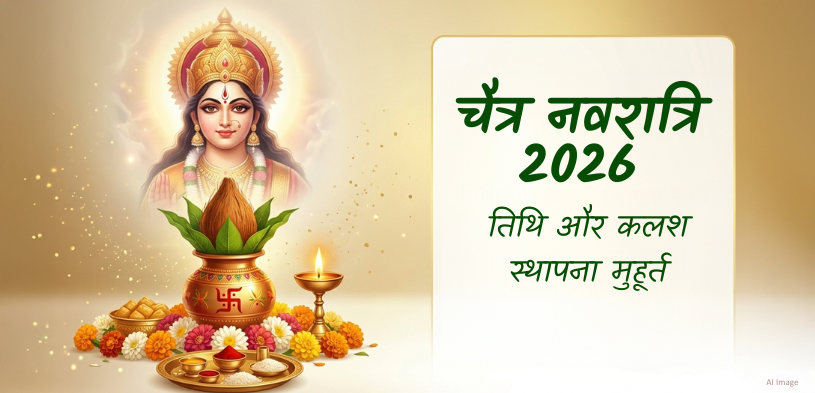
चैत्र नवरात्रि 2026: 19 मार्च से शुरू होकर 27 मार्च तक चलेगी यह पावन नौ दिवसीय साधना। घटस्थापना का शुभ मुहूर्त सुबह 6:52 से 7:43 बजे तक, कलश स्थापना विधि और कन्या पूजन से प्राप्त करें माँ दुर्गा की कृपा!
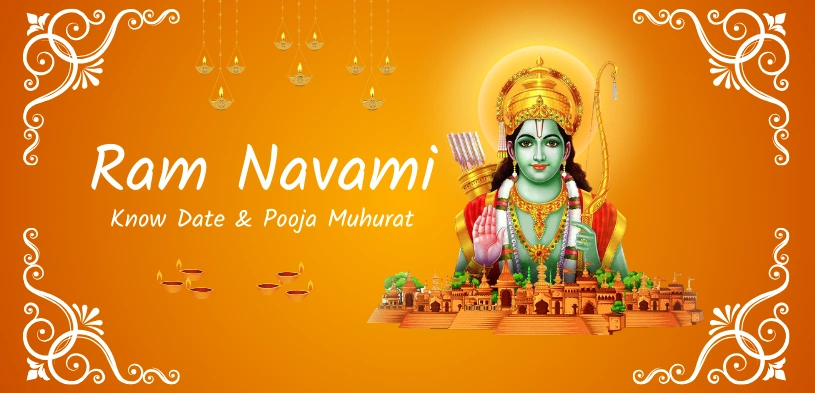
Ram Navami celebrates the birth of Lord Shri Ram, the seventh incarnation of Lord Vishnu. In 2026, the festival will be observed on March 26. Devotees worship the child form of Lord Ram, recite the Ramayana, and remember the ideals of righteousness, truth, and devotion.

The Hindu New Year 2026, Vikram Samvat 2083, begins on Chaitra Shukla Pratipada (the bright fortnight of the bright fortnight) on March 19, when Jupiter becomes king and Mars becomes minister in the Rudra Samvat.


