
- +91-7023509999
- 0294-6622222
- info@narayanseva.org
Empowering people with disabilities is about fairness and inclusion. It shows how much a society respects human rights and equality.
For many years, people with disabilities faced physical barriers and social stigma. These challenges limited their opportunities and independence.
Today, advocacy and inclusion efforts are growing. They focus on rights, dignity, and better quality of life.
One organization leading this change in India is Narayan Seva Sansthan. It has transformed the lives of many people with disabilities.
Advocacy often focuses on protecting legal rights.
Examples include the Americans with Disabilities Act (ADA) and global disability rights conventions.
Awareness builds understanding and empathy.
UDL creates classrooms for all learners.
IEPs are personalized learning plans.
Inclusive workplaces support equal opportunity.
Skill training builds confidence and independence.
Accessibility allows independence.
Technology improves daily life.
Quality healthcare is essential.
Mental well-being matters.
Awareness leads to acceptance.
Everyone deserves participation.
Self-advocacy builds independence.
Leadership creates change.
Empowering people with disabilities needs support from everyone. Governments, organizations, and communities must work together.
Narayan Seva Sansthan is a strong example of meaningful action. Its efforts help build a fair, inclusive, and compassionate society.
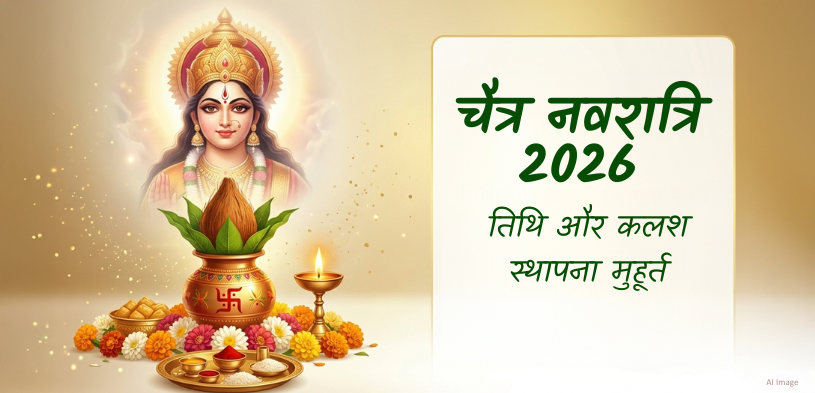
चैत्र नवरात्रि 2026: 19 मार्च से शुरू होकर 27 मार्च तक चलेगी यह पावन नौ दिवसीय साधना। घटस्थापना का शुभ मुहूर्त सुबह 6:52 से 7:43 बजे तक, कलश स्थापना विधि और कन्या पूजन से प्राप्त करें माँ दुर्गा की कृपा!
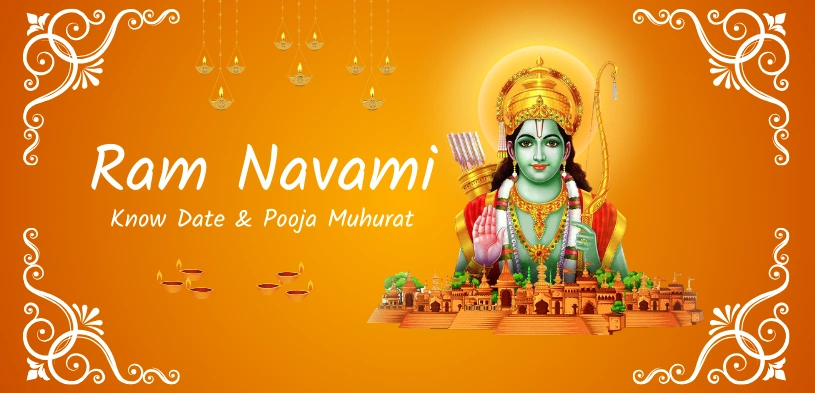
Ram Navami celebrates the birth of Lord Shri Ram, the seventh incarnation of Lord Vishnu. In 2026, the festival will be observed on March 26. Devotees worship the child form of Lord Ram, recite the Ramayana, and remember the ideals of righteousness, truth, and devotion.
The Hindu New Year 2026, Vikram Samvat 2083, begins on Chaitra Shukla Pratipada (the bright fortnight of the bright fortnight) on March 19, when Jupiter becomes king and Mars becomes minister in the Rudra Samvat.


