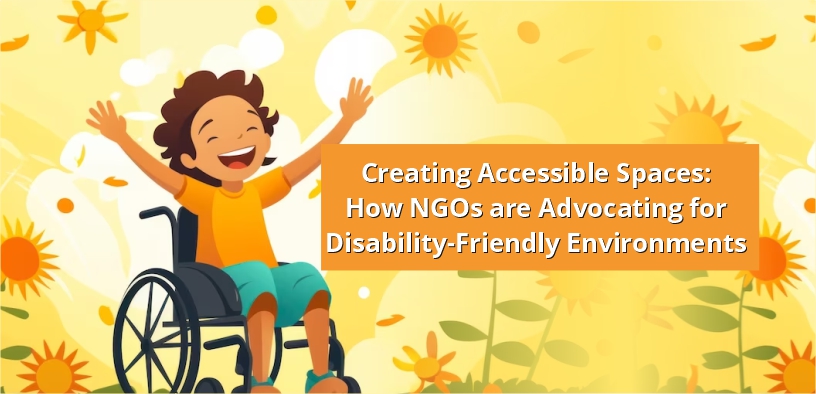
Inclusion and equal opportunity are important in today’s world. To ensure people with disabilities can fully participate in society, we must create accessible spaces.
NGOs play a key role in advocating for accessibility, removing barriers, and promoting inclusivity.
This article explores how accessible spaces impact people with disabilities and highlights the efforts NGOs make to create them.
Accessibility means designing environments, services, and facilities so everyone, including people with disabilities, can use them.
It involves removing barriers that prevent people from moving freely or participating fully, whether physically, mentally, or cognitively.
Disability includes physical, sensory, intellectual, and mental limitations. Many challenges come not just from the disability itself but from social barriers that restrict participation.
NGOs help drive change and raise awareness about disability rights. They work with governments, businesses, communities, and individuals to promote accessible environments.
NGOs operate on multiple fronts:
NGOs advocate for policy changes that promote accessibility and inclusion. They work with governments to influence legislation, standards, and guidelines.
Awareness campaigns educate communities about the challenges faced by people with disabilities.
NGOs assess public spaces and services to identify barriers and suggest improvements.
NGOs train stakeholders on accessibility standards and disability rights:
NGOs like Narayan Seva Sansthan partner with businesses to create accessible workplaces, products, and services.
NGOs involve communities to ensure the needs of people with disabilities are heard.
NGOs collaborate globally to exchange best practices and resources.
NGOs track progress of accessibility initiatives:
NGOs ensure accessibility policies are followed and enforceable:
Creating accessible spaces is a fundamental right. NGOs are key in promoting inclusivity through:
Supporting NGOs helps build a world where everyone can fully participate, regardless of their abilities.
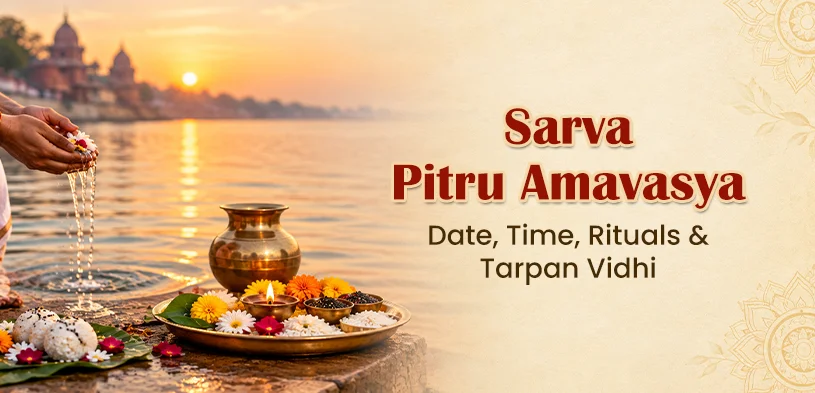
The last day of Pitru Paksha is known as Sarva Pitru Amavasya. This Amavasya is considered especially significant for remembering all known and unknown ancestors whose Shradh date may not be known or whose Shradh could not be performed on the prescribed tithi for some reason.
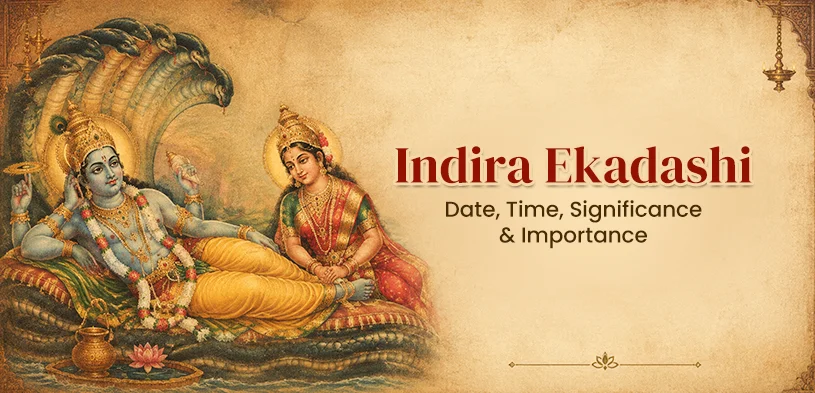
Indira Ekadashi, which falls during the Krishna Paksha of the Ashwin month, is one such meritorious tithi. As it occurs during Pitru Paksha, this day is specially associated with the worship of Lord Vishnu along with feelings of reverence and righteous deeds.
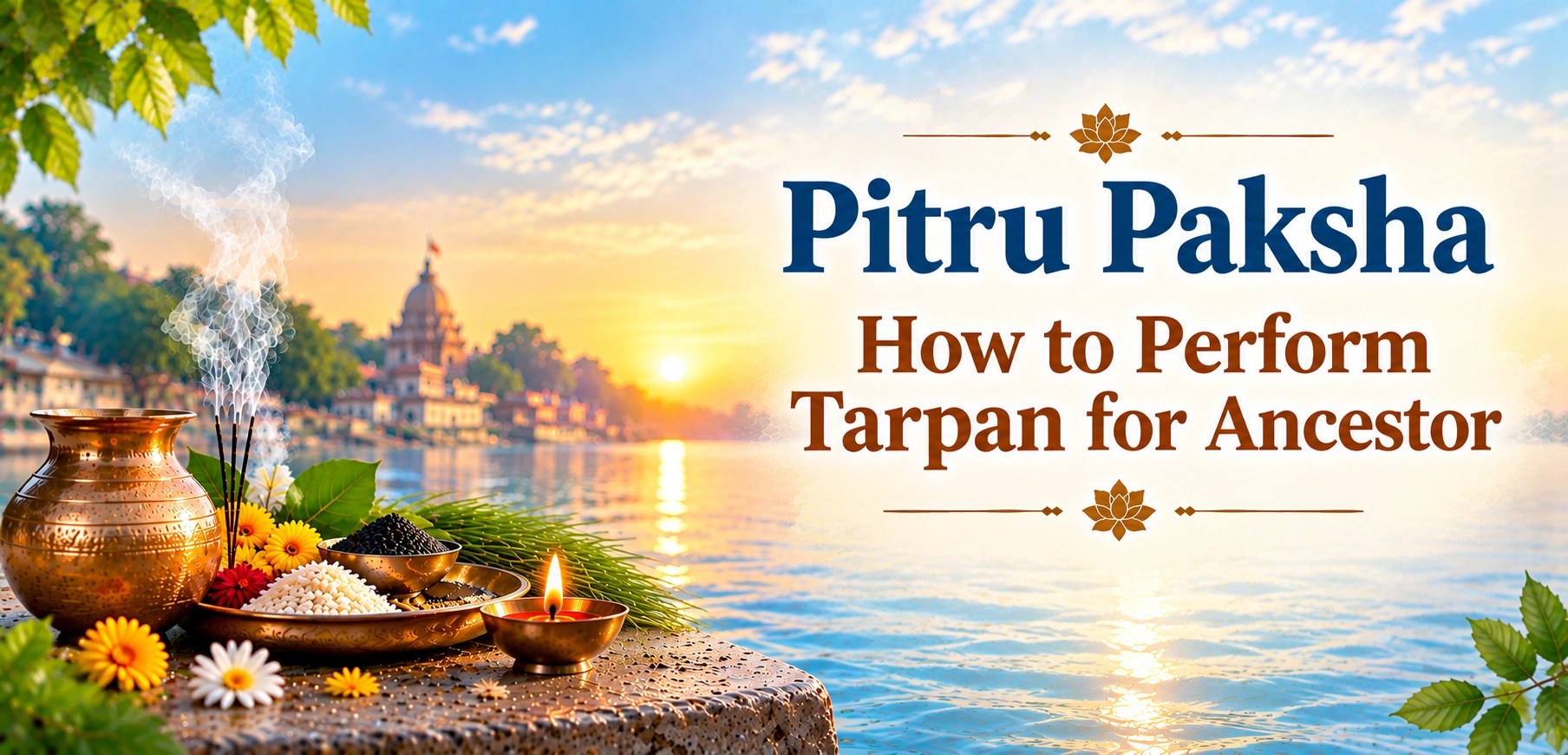
Our ancestors laid the foundation of the family through their lives, austerities, values, and good deeds. Pitru Paksha is the sacred opportunity to express reverence and gratitude towards them.