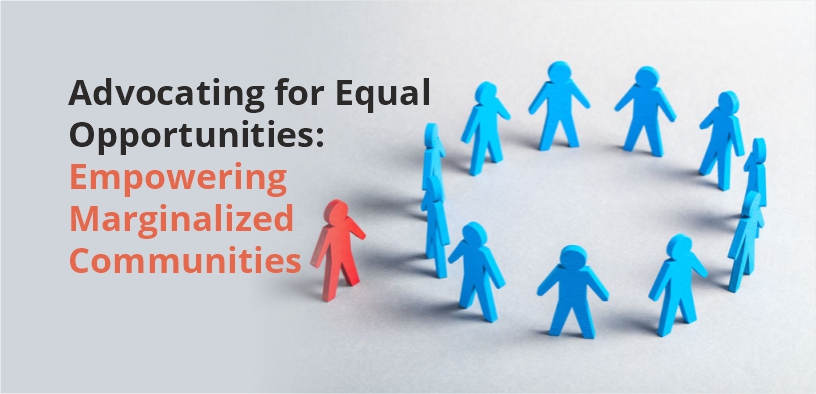
Equal opportunities are the foundation of a fair and inclusive society. However, in many parts of the world, including India, marginalized communities face major barriers to accessing these opportunities.
Discrimination based on caste, gender, religion, and economic status continues to limit their social and economic progress.
Many organizations and NGOs, such as the Narayan Seva Sansthan (NSS), work to empower marginalized communities and fight for their rights.
Equal opportunities mean giving everyone a fair chance, no matter their background. This allows people to pursue their goals and dreams.
In India, this involves removing barriers related to caste, gender, religion, disability, and poverty. Equal opportunities include access to:
Providing equal opportunities helps societies uplift marginalized communities and promote social justice and economic growth.
Marginalized groups—such as ethnic and religious minorities, socioeconomically disadvantaged groups, and the LGBTQ+ community—face several challenges that slow their progress.
These challenges come from systemic inequalities, discrimination, and social exclusion. Key obstacles include:
Marginalized communities often face economic disadvantages. Limited access to education, jobs, and financial resources leads to income gaps and poverty cycles. Employment discrimination and wage gaps make these problems worse.
People face bias based on race, gender, religion, sexual orientation, and other factors. This occurs in housing, education, healthcare, and law enforcement. Discrimination reinforces social exclusion.
Many marginalized groups lack access to quality education. Poor funding, inadequate schools, and culturally insensitive curricula limit opportunities to learn skills and escape poverty.
Marginalized communities often struggle to get affordable healthcare. Cultural barriers, lack of insurance, and discrimination in hospitals reduce access to treatment, leading to worse health outcomes.
Discrimination and segregation limit access to safe housing. Redlining, gentrification, and unfair lending keep some communities in poor living conditions, making upward mobility harder.
Marginalized people often feel isolated. Limited social support and negative stereotypes affect mental health and opportunities for growth.
Marginalized groups face higher arrest rates, convictions, and harsher sentences. Bias in policing and law enforcement worsens social and economic inequalities.
Recognize that people can face multiple forms of discrimination. Tailored solutions require understanding these overlapping identities.
Give marginalized people platforms to share their stories. Representation in media, politics, and decision-making spaces helps challenge stereotypes and create social change.
Promoting equal opportunities is key to empowering marginalized communities in India. Organizations like Narayan Seva Sansthan (NSS) address the needs of individuals with disabilities through education, healthcare, vocational training, and advocacy.
While progress has been made, achieving equal opportunities is ongoing. Governments, civil society, and individuals must work together to build a society where everyone has a fair chance to succeed.
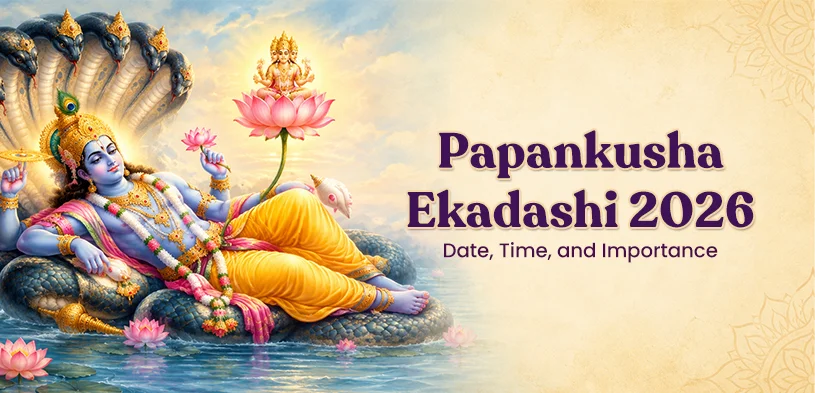
On Papankusha Ekadashi, traditions of worshipping Lord Vishnu, fasting, chanting His name, listening to religious stories, night vigil, and charity have been followed. This day provides an opportunity to light the lamp of devotion and spirituality within oneself.
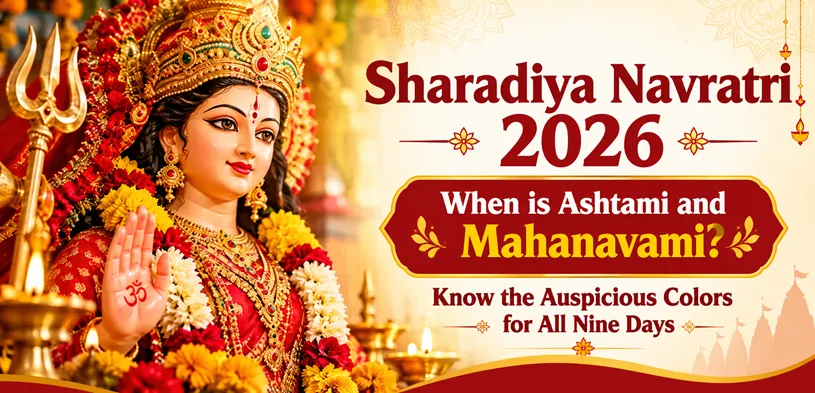
In 2026, Shardiya Navratri begins on Sunday, October 11. This year, the belief that Maa Durga arrives riding an elephant is receiving special attention. Devotees worship the Goddess in her Gajvahini form and pray for happiness, peace, and prosperity in their lives.
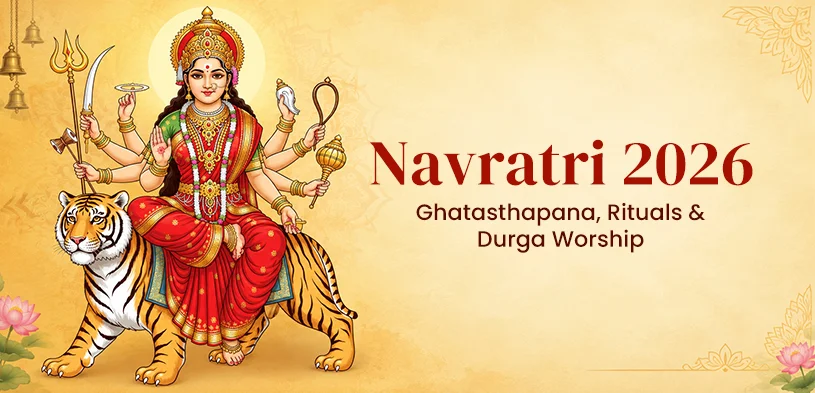
Shardiya Navratri 2026 begins 11 October with Ghatasthapana and concludes with Dussehra on 20 October. Get the full Ghatasthapana Muhurat, day-wise Durga Puja calendar, colours, and puja vidhi inside.